
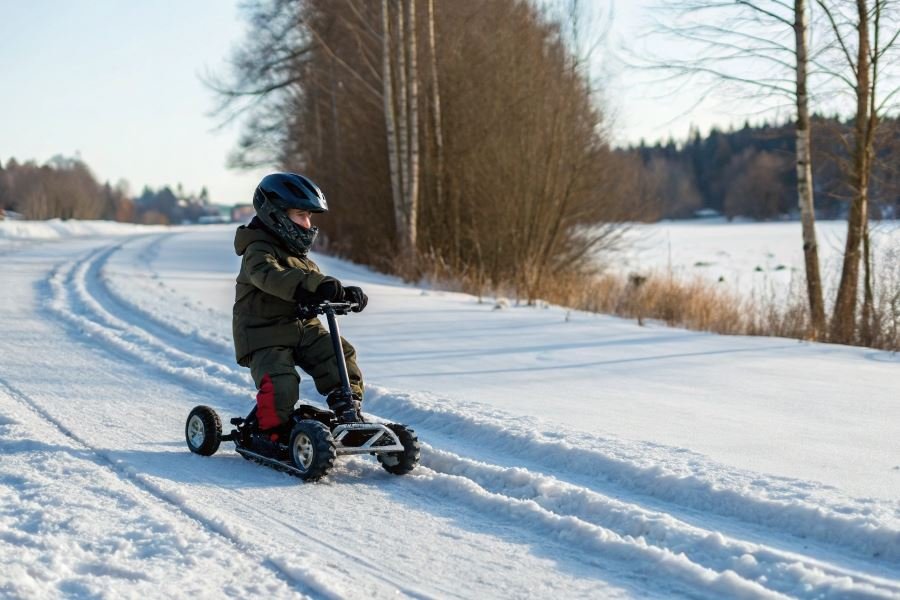
Remember that first magical snowfall when you couldn’t wait to get outside? Today’s kids are experiencing winter excitement in an entirely new way—zipping across snow-covered landscapes on electric snow scooters that combine the thrill of sledding with the control of scooter riding.
Electric snow scooters for children have exploded in popularity over the past three winters, transforming how families approach outdoor winter recreation. These nimble machines—essentially scooters with skis instead of wheels—offer a perfect blend of exhilaration and accessibility that traditional winter equipment simply can’t match.
“The first time my daughter tried her electric snow scooter, her face lit up brighter than our holiday decorations. Now she begs to go outside even on the coldest days.”
Why are families gravitating toward these winter wonders? Unlike traditional sleds that require hills and constant trudging back upward, electric snow scooters can traverse flat terrain and gentle slopes with equal ease. They provide the independence kids crave while offering parents adjustable speed settings for peace of mind.
When selecting the perfect electric snow scooter for your child, three factors stand above all others: age-appropriate design, battery performance in cold conditions, and safety features. The right model balances excitement with control, allowing children to develop confidence while parents can relax knowing boundaries are built in.
Unlike bulky snowmobiles or passive sleds, these agile machines teach balance, coordination, and decision-making—all while disguising these lessons as pure, unbridled fun in the snow.
Safety First: Electric Snow Scooter Features That Protect Your Child
When winter blankets your neighborhood in snow, electric snow scooters offer an exhilarating way for kids to embrace the season. But beneath the excitement lies a crucial consideration: safety. Selecting the right electric snow scooter for your child means prioritizing protection alongside performance.
Parents often struggle with how to choose an electric snow scooter for a child that balances fun with appropriate safety measures. The good news? Manufacturers have developed sophisticated safety systems specifically designed for young riders tackling snowy terrain. Let’s explore the critical safety features that should top your checklist.
Speed Controls That Match Development Stages
Age-appropriate speed limitations aren’t just marketing points—they’re essential safety features. Quality scooters offer:
- Adjustable speed settings (typically 3-5 mph for ages 4-6, 5-8 mph for ages 7-12)
- Parental remote controls for immediate speed reduction
- Gradual acceleration systems preventing sudden jerky starts
The best models include programmable speed governors allowing parents to increase maximum speeds as children develop better coordination and judgment. Razor models, for instance, feature multi-stage speed settings that “grow” with your child.
Battery Systems Built for Winter Conditions
Cold weather presents unique challenges for electric vehicles. Safety-focused scooters include:
- UL-certified battery packs with thermal protection
- Insulated battery compartments maintaining optimal operating temperature
- Automatic shutdown systems preventing deep discharge
Battery performance can decrease by up to 40% in sub-freezing temperatures, making cold-weather rated power systems non-negotiable for snow scooters.
Look for lithium batteries specifically rated for sub-freezing operation, with clear indicators showing charge levels to prevent unexpected power loss during rides.
Structural Integrity When It Matters Most
The physical construction of a snow scooter determines how it handles inevitable tumbles:
| Feature | Safety Benefit |
|---|---|
| Low center of gravity | Reduces tip-over risk |
| Wide, textured footboard | Improves stability and grip |
| Reinforced frame joints | Withstands impact from falls |
| Enclosed moving parts | Prevents finger entrapment |
Braking systems deserve special attention. Premium models from Segway incorporate dual braking technologies—electronic braking for normal stops and mechanical emergency brakes as backup.
Weather-Resistant Design Elements
Snow scooters face harsh conditions that standard scooters never encounter:
- Sealed electrical components preventing moisture damage
- Non-slip, textured handgrips maintaining control with mittens
- Rust-resistant materials extending product lifespan
- LED lighting systems improving visibility during winter’s shorter daylight hours
The MotoTec Snowmobile, for example, features fully encapsulated electronics and marine-grade connectors specifically designed to withstand snow and slush.
Impact Protection Features
Even with perfect control systems, kids will occasionally fall. Safety-conscious designs include:
- Padded handlebars and steering columns
- Flexible mounting points that absorb impact
- Rounded edges eliminating sharp contact points
- Detachable safety flags increasing visibility
These thoughtful design elements transform what could be a dangerous spill into a minor tumble, keeping winter adventures joyful rather than tearful.
By prioritizing these safety features when selecting an electric snow scooter, you’re not just buying a winter toy—you’re investing in peace of mind while your child experiences the thrill of gliding across freshly fallen snow.
Performance Factors That Make or Break a Child’s Snow Scooter
When winter blankets your neighborhood in pristine white powder, nothing beats watching your child zoom across the snow on an electric scooter. But not all snow scooters are created equal. The difference between exhilarating winter adventures and disappointing breakdowns often comes down to key performance factors that many parents overlook.
Power and Battery Life for Conquering Snow
The heart of any electric snow scooter is its motor and battery combination. For light, fluffy snow conditions, a 250W motor might suffice, but when facing deeper powder or slight inclines, you’ll want at least 350-500W of power. Many premium models like the Razor E300 now offer variable power settings that let kids adjust output based on conditions.
Battery life becomes critical when temperatures drop. Lithium-ion batteries typically lose 20-30% of their capacity in freezing conditions. Look for models advertising “cold-weather optimized” batteries with at least 40 minutes of continuous run time. The SnowFox X2 stands out with its impressive 60-minute battery life even in temperatures as low as 15°F.
Remember that battery performance claims are usually based on ideal conditions with a lightweight rider on flat terrain. Always add a 30% buffer to your expected usage needs.
Built to Last: Weight Capacity and Durability
Children grow quickly, making weight capacity a crucial consideration. Most entry-level snow scooters support riders up to 120 pounds, while premium models can handle up to 180 pounds. This extra capacity isn’t just about accommodating growth—it provides essential structural stability when navigating uneven terrain.
Frame materials dramatically impact durability and performance:
| Frame Material | Weight | Cold Weather Performance | Durability | Price Range |
|---|---|---|---|---|
| Aluminum Alloy | Light | Excellent | Good | $200-350 |
| Steel | Heavy | Good | Excellent | $150-250 |
| Carbon Fiber | Very Light | Excellent | Very Good | $350-500 |
The best frames feature reinforced joints and sealed components to prevent snow and moisture infiltration. The WinterRider Pro uses a patented “snow-shield” technology that prevents ice buildup around critical components—a game-changer for maintaining performance throughout the riding session.
Practical Considerations for Daily Use
Even the most powerful scooter becomes a burden if it’s difficult to use or maintain. Look for models with:
Intuitive controls designed for gloved hands. Large, responsive buttons and simple throttle mechanisms prevent frustration when your child is bundled up in winter gear.
Quick-fold mechanisms that allow for easy transport and storage. The best designs can collapse in under 10 seconds and fit in standard SUV trunks without removing components.
Removable batteries that can be charged indoors. This feature extends battery life and eliminates the need to store the entire scooter near an outlet.
Maintenance requirements vary significantly between models. Some require regular lubrication of moving parts and careful cleaning after each use, while others feature sealed systems that need minimal attention. The SnowGlider Elite offers tool-free access to all serviceable parts and includes a maintenance kit with purchase—ideal for families who prefer DIY upkeep.
Storage considerations should include not just physical dimensions but also moisture protection. Look for models with included covers or storage bags that prevent rust and corrosion during the off-season.
By focusing on these performance factors, you’ll find an electric snow scooter that delivers reliable thrills throughout the winter season—and possibly for many winters to come.