
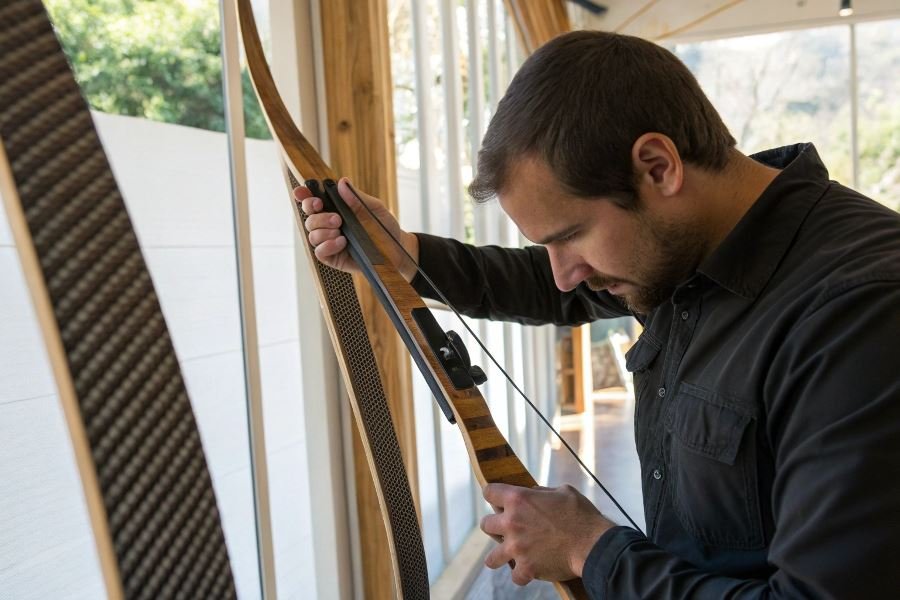
Thwack! That satisfying sound of an arrow hitting its target is just waiting for you. But before you experience that thrill, you need the right bow in your hands. Let’s cut through the confusion and get you properly equipped.
Stepping into archery means navigating a world of options that might seem overwhelming at first. The journey to choosing your first sports bow doesn’t have to be complicated—it’s about matching the right equipment to your specific needs, physical capabilities, and archery ambitions.
Know your bow types
Recurve bows are the gateway to archery for most beginners. With their distinctive curved limbs that face away from the archer when unstrung, they offer forgiveness and versatility. These are the bows you’ll see in Olympic competitions, combining simplicity with performance.
Compound bows utilize a system of cables and pulleys to create a “let-off” effect, reducing the holding weight at full draw. This technology makes them excellent for precision shooting and hunting, though they typically come with a higher price tag.
Traditional bows (longbows and traditional recurves) offer a connection to archery’s rich heritage. They’re simpler in design but require more skill to master—perfect if you’re drawn to archery’s historical aspects.
Match your bow to your purpose
Ask yourself: Why am I getting into archery?
- Target practice enthusiasts might start with a basic recurve bow in the $150-300 range
- Competition aspirants should consider entry-level Olympic recurves or compounds ($300-500)
- Future hunters might invest in a versatile compound bow ($400-700)
Your first bow should align with your goals while leaving room for skill development. Remember—the perfect bow feels like an extension of yourself, not just equipment you’re using.
Essential Factors for Choosing Your First Sports Bow
Stepping into the world of archery opens up an exciting journey of skill development and precision. The right bow becomes an extension of yourself, transforming your shooting experience from frustrating to fulfilling. Let’s dive into what truly matters when selecting your first bow.
Finding Your Perfect Draw Weight and Length
Your body’s unique structure dictates the ideal specifications for your bow. When learning how to choose a sports bow for beginners, understanding draw weight—the force needed to pull the string back—is crucial. Most adult beginners should start with:
- Men: 25-35 pounds
- Women: 15-25 pounds
- Teenagers: 15-20 pounds
Starting too heavy leads to poor form and potential injury, while too light won’t challenge you enough.
Draw length, measured from the grip to the string at full draw, must match your arm span. The formula is simple:
Your arm span (inches) ÷ 2.5 = Your draw length (inches)For accuracy, visit an archery pro shop for measurement. A bow with incorrect draw length forces unnatural positioning, sabotaging your progress before you begin.
Bow Size and Materials That Won’t Hold You Back
Beginners benefit from specific bow characteristics that promote learning:
| Bow Type | Advantages | Ideal For |
|---|---|---|
| Recurve | Forgiving, affordable, grows with skill | True beginners |
| Compound | Consistent, precise, let-off reduces fatigue | Tech-oriented beginners |
Material considerations matter significantly:
Recurve risers (handles) come in:
- Wooden: Warm feel, traditional aesthetic, budget-friendly
- Aluminum: Durable, weather-resistant, moderate price
- Carbon: Lightweight, vibration-dampening, premium price
Limbs affect performance and feel:
- Fiberglass/wood: Forgiving, smooth draw cycle
- Carbon/foam: Faster, more responsive, but less forgiving
For most beginners, a 62-66″ recurve bow with aluminum riser and fiberglass/wood limbs offers the ideal balance of performance, forgiveness, and value.
Accessories: Necessities vs. Nice-to-Haves
The archery industry excels at creating endless “must-have” accessories, but beginners need only focus on essentials:
True Necessities:
- Arrow rest: The Hoyt Super Rest provides reliability without complexity
- Nocking point: Ensures consistent arrow placement
- Finger tab/glove: Protects fingers from string fatigue
- Arm guard: Prevents painful string slap against forearm
- Basic sight: Improves aiming consistency
Wait Until Later:
- Stabilizers
- High-end sights
- Clickers
- Specialized string materials
- Bow cases (a simple sleeve suffices initially)
Start with quality versions of the essentials rather than accumulating mediocre accessories.
Remember that your first bow is a learning tool, not a lifetime commitment. Focus on comfort, proper fit, and developing fundamentals. The perfect bow feels natural in your hands, encourages proper form, and makes you eager to practice. With these considerations in mind, you’ll select equipment that supports your development rather than hindering it.
Top 3 Bows That Will Launch Your Archery Journey
Stepping into the world of archery can feel overwhelming with the array of equipment options, but finding the right bow doesn’t have to be a shot in the dark. I’ve tested dozens of models and consulted championship archers to bring you the absolute best recommendations for beginners that balance quality, performance, and value.
Entry-level recurve bows that hit the mark
Recurve bows offer the perfect introduction to archery with their classic design and forgiving nature. Here are three standouts that consistently impress new archers:
-
Samick Sage – This 62″ takedown recurve has become legendary in beginner circles for good reason. With draw weights from 25-60 pounds and limbs you can upgrade as your strength develops, it’s the bow that grows with you. At around $150, it delivers performance that punches well above its price point.
-
Galaxy Crescent – Featuring a machined aluminum riser and maple limbs, this 66″ bow offers exceptional stability for beginners. The longer length creates a smoother draw cycle that forgives minor form errors—exactly what newcomers need.
-
PSE Razorback – At just $120, this 62″ bow delivers remarkable performance with fiberglass limbs that can withstand the learning process. Its lightweight design prevents fatigue during longer practice sessions.
The ideal beginner recurve offers adjustability, durability, and a draw weight between 20-30 pounds for adults just starting out.
Compound bows that make learning a breeze
Compound bows leverage a system of cables and cams to reduce holding weight and increase accuracy—perfect for beginners seeking quick progress:
| Bow Model | Draw Weight Range | Axle-to-Axle | Let-off | Price Range |
|---|---|---|---|---|
| Diamond Infinite Edge Pro | 5-70 lbs | 31″ | 80% | $350-400 |
| Bear Cruzer G2 | 5-70 lbs | 30″ | 70% | $300-350 |
| Mission Switch | 10-70 lbs | 31″ | 80% | $400-450 |
The Diamond Infinite Edge Pro stands out with its incredible adjustability—it can literally grow from a child’s first bow to an adult’s hunting companion. The draw length adjusts from 13″ to 31″ without a bow press, making it the ultimate family-friendly option.
The Bear Cruzer G2 offers similar versatility with a smoother draw cycle that many beginners find more comfortable. Its ready-to-shoot packages include everything you need to start hitting targets immediately.
Where to try before you buy
Never purchase a bow without shooting it first! Your perfect match depends on your body mechanics and preferences. Here’s where to test drive:
- Dedicated archery shops offer the best expertise and selection. Staff can analyze your form and recommend appropriate options.
- Larger sporting goods stores like Cabela’s or Bass Pro Shops maintain archery departments with test ranges.
- Local archery clubs often host demo days where manufacturers showcase their latest models.
When making your final decision, consider:
- Growth potential – Will this bow accommodate your developing skills for at least 2-3 years?
- Maintenance requirements – Compounds require periodic professional tuning while recurves are simpler to maintain.
- Intended use – Target shooting demands different characteristics than hunting.
Pro tip: Budget an additional $100-150 beyond the bow’s price for essential accessories like arrows, a release aid (for compounds), arm guard, and finger tab or glove.
The perfect beginner bow isn’t necessarily the cheapest or most expensive—it’s the one that fits your body, shooting style, and archery goals while providing room to grow as your skills develop.