
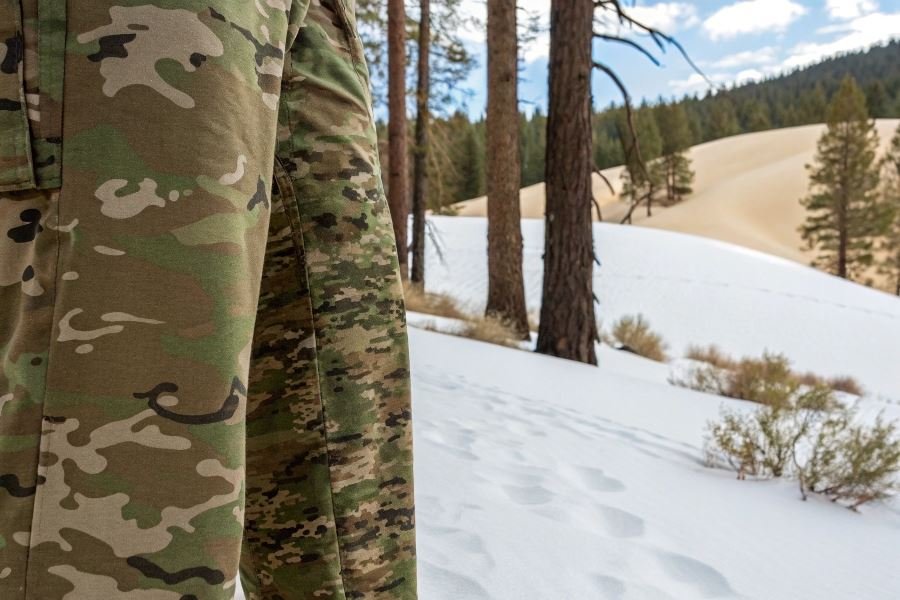
Ever wondered why some hunters seem to vanish into the landscape while others stick out like neon signs in the woods? The secret often lies not in their gear, but in what’s on their face.
Camouflage face paint isn’t just military cosplay—it’s a serious tool for hunters, wildlife photographers, paintball enthusiasts, and outdoor tacticians who understand that the human face is often what gives away position. The high contrast and natural oils of facial skin create a reflective surface that catches light and movement in ways that even the best camouflage clothing can’t disguise.
Purpose beyond concealment
The primary function of camo face paint is disrupting the recognizable human facial pattern. But quality products do more than just change your appearance—they protect your skin from the elements, resist sweat during intense activity, and maintain coverage through changing weather conditions.
Critical considerations before purchase
Before grabbing the first face paint kit you see, consider:
- Environment match: Desert patterns differ dramatically from woodland or snow designs
- Duration of use: Will you need 4-hour coverage or multi-day performance?
- Skin sensitivity: Hypoallergenic options exist for those with reactive skin
- Removal process: Some formulations require special removers while others wash off with soap
The face paint spectrum
Today’s market offers three primary types:
- Cream-based paints – Traditional, offering excellent coverage but potentially messy
- Stick applicators – Convenient and precise, perfect for quick touch-ups
- Compact palettes – Professional-grade with multiple colors for advanced patterning
The difference between basic recreational paint and professional-grade tactical formulations can mean the difference between being spotted or remaining hidden when it matters most.
Essential Factors for Quality Camouflage Face Paint
When you’re deep in the wilderness waiting for that perfect shot or navigating tactical scenarios, your camouflage face paint becomes your invisible armor. The difference between premium products and subpar options isn’t just about aesthetics—it’s about performance when it matters most. Let’s dive into what separates the elite camouflage face paints from the pretenders.
Understanding how to choose camouflage face paint requires knowledge of several critical factors that affect both performance and safety. The right paint doesn’t just help you blend in—it protects your skin, stays put when you’re active, and comes off without a fight when the mission ends.
Skin-Safe Formulations That Won’t Betray You
Your face deserves better than harsh chemicals and irritants. Top-tier camouflage paints prioritize skin safety with:
- Non-toxic, FDA-approved ingredients that meet stringent safety standards
- Hypoallergenic formulations designed for sensitive skin
- Mineral-based options that allow skin to breathe during extended wear
The skin absorbs up to 60% of what you put on it—choose face paint that respects this biological reality.
Many hunters and tactical professionals have switched to paints containing natural waxes, oils, and clay-based pigments. These ingredients provide excellent coverage while minimizing the risk of breakouts or allergic reactions that could compromise your position with unwanted scratching or discomfort.
Color Selection and Pigmentation That Disappears You
The effectiveness of your concealment depends heavily on color selection and pigmentation quality:
| Environment | Recommended Colors | Avoid |
|---|---|---|
| Woodland | Deep greens, browns, black | Bright whites, blues |
| Desert | Tans, light browns, sage | Dark greens, black |
| Snow | White, light gray, pale blue | Any dark colors |
| Urban | Grays, concrete tones, muted greens | Vibrant colors |
High-quality pigments deliver two critical advantages: they match natural surroundings more accurately and require less product for effective coverage. Look for paints with matte finishes that eliminate shine—the telltale giveaway that has compromised countless positions.
Water and Sweat Resistance That Endures
Nothing exposes inferior face paint faster than the first drop of sweat or light rain. Premium options offer:
- Waterproof formulations that maintain coverage through precipitation
- Sweat-resistant technology that prevents streaking during intense activity
- Temperature-stable compounds that won’t melt in heat or crack in cold
The best products maintain their concealment properties for 8+ hours in challenging conditions. Many professional-grade options now incorporate silicone derivatives that create a flexible barrier against moisture without clogging pores.
Application and Removal That Respects Your Time
The practical aspects of using camouflage face paint matter tremendously in field situations:
- Smooth application that doesn’t require excessive tools
- Even coverage that minimizes touch-ups
- Removal that doesn’t require harsh solvents or excessive scrubbing
Stick formats have gained popularity for their precision and portability, while cream-based options excel in coverage and blending. The most advanced formulations now balance staying power with removal ease—typically coming off with standard soap and warm water or dedicated removal wipes that won’t damage skin with repeated use.
Choose wisely—your concealment, comfort, and skin health all depend on making the right call when selecting your camouflage face paint.
Making the Right Camouflage Face Paint Selection
The Battle of the Brands
When it comes to camouflage face paint, not all products are created equal. The market leaders have earned their stripes through consistent performance in the field. Let’s break down the top contenders:
| Brand | Standout Features | Best For | Price Range |
|---|---|---|---|
| Hunters Specialties | Oil-based formula, high pigmentation, 3-5 color compacts | Hunting, extended outdoor activities | $8-15 |
| Rothco | Greasepaint sticks, quick application, water-resistant | Military training, paintball, airsoft | $6-12 |
| Woodland Camo | Natural ingredients, hypoallergenic options, matte finish | Sensitive skin, wildlife photography | $10-18 |
Hunters Specialties dominates with their legendary staying power—their paints won’t run during intense activity or light rain. Their compact design makes them a favorite among serious hunters who need reliable concealment for hours.
Rothco’s stick design offers the fastest application in the field, perfect for when you need to adapt quickly. Their formulation strikes an excellent balance between longevity and ease of removal.
For those concerned about skin sensitivity, Woodland Camo has pioneered formulations that minimize irritation while maintaining effective concealment. Their colors are specifically calibrated to match North American forest environments with uncanny precision.
Keeping Your Camo Kit Combat-Ready
The lifespan of your camouflage face paint depends significantly on proper maintenance and storage. Follow these guidelines to maximize your investment:
-
Temperature control is critical. Store paints between 50-80°F to prevent separation and maintain consistency. Vehicle glove compartments can reach 140°F in summer—a death sentence for quality face paints.
-
Always seal containers completely after use. Oxygen exposure is the primary cause of premature drying and hardening.
-
Keep separate application tools for different colors to prevent cross-contamination, which can muddy your carefully planned patterns.
The difference between amateur and professional camouflage application often comes down to clean, well-maintained supplies.
For stick-type paints, trim a small amount from the end if it becomes contaminated with dirt or debris rather than pushing contaminants back into the product. For compact kits, use a clean, damp cloth to wipe the surface clean after each use.
Your Final Selection Checklist
Before making your purchase, run through this field-tested checklist to ensure you’re getting exactly what you need:
-
Environment match: Ensure the color palette aligns with your specific terrain—boreal forests require different tones than desert environments.
-
Duration requirements: Will you need 3-hour coverage for a morning hunt or 12+ hours for extended operations? Oil-based formulas last longer but require more effort to remove.
-
Skin sensitivity profile: Test new products on a small patch of skin 24 hours before field use, particularly if you have known sensitivities.
-
Application method preference: Sticks offer speed, creams offer precision, and compacts offer versatility.
-
Weather conditions: High humidity and precipitation demand water-resistant formulations with proven staying power.
The perfect camouflage face paint becomes an extension of your strategy—not just a product but a tactical advantage. By selecting the right formula, maintaining it properly, and applying it strategically, you transform ordinary concealment into extraordinary invisibility. Your face paint should work as hard as you do, whether you’re stalking game, capturing wildlife photographs, or dominating in tactical sports.