
Ever stood knee-deep in a rushing stream, frantically searching through an overstuffed tackle box while your dream catch swims away? Or worse—hiked miles to your favorite spot only to realize your essential gear didn’t fit in your too-small bag? The right fishing bag isn’t just an accessory—it’s the command center of your entire fishing operation.
Selecting the perfect fishing bag involves more than grabbing whatever’s on sale at the sporting goods store. It requires understanding how your unique fishing style translates to storage needs. Whether you’re a weekend warrior hitting local lakes or a dedicated angler planning multi-day expeditions, your bag’s size and capacity directly impact your success and enjoyment on the water.
The fishing bag ecosystem
The market offers an impressive array of specialized options:
- Tackle boxes (5-30 liters): Perfect for organized storage of lures, hooks, and small tools
- Sling packs (8-15 liters): Ideal for mobility and quick access during active fishing
- Backpacks (20-40 liters): Balanced capacity for day trips with comprehensive gear
- Duffel-style bags (40+ liters): Maximum storage for extended expeditions or multiple-rod setups
“The perfect fishing bag feels like it was designed specifically for your fishing style—because in many ways, it should be.”
Beyond size: Critical selection factors
While capacity matters tremendously, equally important considerations include:
- Material durability: Will it withstand your environment? (Saltwater requires different protection than freshwater)
- Compartmentalization: How effectively can you organize and access gear?
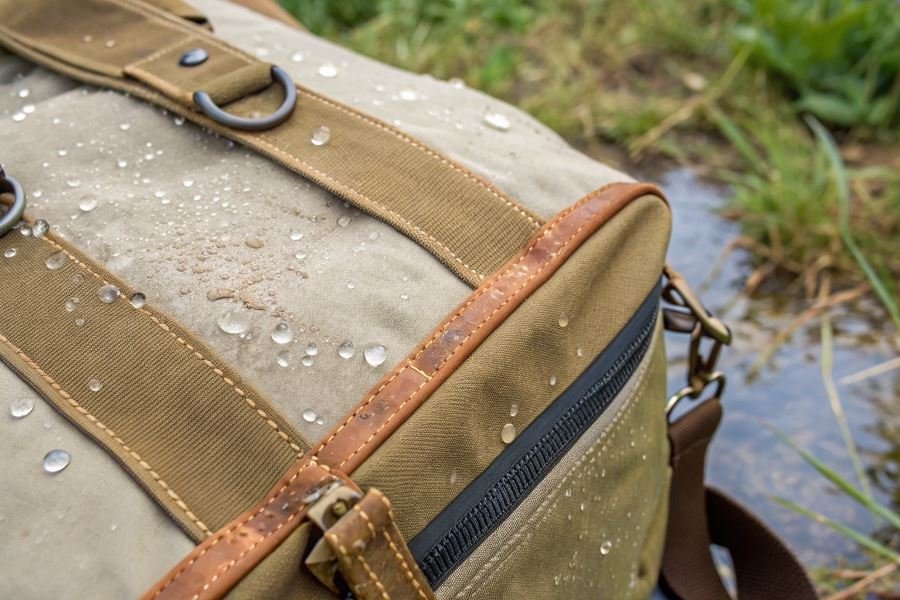
- Weather resistance: Nothing ruins expensive equipment faster than unexpected moisture
- Comfort features: Padded straps, ventilated back panels, and ergonomic design prevent fatigue during long outings
The bag that serves a shore angler perfectly might prove utterly impractical for someone wading through streams or fishing from a kayak. Your selection should reflect not just what you fish for, but how and where you fish.
Match Your Fishing Bag to Your Angling Style
When you’re out on the water, having the right gear storage can make or break your fishing experience. Selecting a fishing bag with appropriate size and capacity based on your specific angling style isn’t just about convenience—it’s about maximizing your time casting instead of rummaging through disorganized tackle. How to choose a fishing bag by size and capacity depends largely on understanding your typical fishing patterns and equipment needs.
Small Bags for Quick Strikes (10-15L)
The minimalist angler’s dream companion comes in a compact 10-15 liter package. These lightweight warriors are perfect for those spontaneous after-work fishing sessions when you just need the essentials.
What fits: Typically accommodates 1-2 small tackle boxes, a few spare lures, extra line, and basic tools like pliers and a knife.
Perfect for urban fishing spots where mobility trumps extensive gear options.
Small capacity bags like the Plano Guide Series or Spiderwire Sling excel when:
- You’re fishing familiar waters with predictable species
- You prefer ultralight setups
- You’re hiking significant distances to your fishing spot
- You supplement with vest pockets or wader storage
The best minimalist bags feature water-resistant materials and strategic external attachment points for tools you need to access quickly.
Medium Bags for Dawn-to-Dusk Adventures (15-30L)
The sweet spot for most serious anglers falls in this range. Medium capacity bags offer the versatility to adapt to changing conditions throughout a full day on the water without weighing you down.
What fits: 2-4 tackle boxes, rain gear, lunch, water bottle, camera, and specialized lures for different conditions you might encounter.
These bags typically feature:
- Multiple compartments for organized storage
- Padded shoulder straps for comfortable all-day carry
- Water-resistant base to set down on wet surfaces
- External mesh pockets for quick access items
The 15-30L range strikes the perfect balance between preparedness and mobility.
Popular options like the Shimano Blackmoon and Piscifun Fishing Tackle Backpack provide enough space for serious versatility without becoming cumbersome.
Large Capacity Bags for the Committed Angler (30L+)
When you’re planning multi-day expeditions or targeting species that require specialized equipment, large capacity bags become essential command centers for your angling operation.
What fits: Everything from the medium bag plus camping gear, multiple rod setups, specialized tools, and enough tackle to handle any fishing scenario.
| Bag Size | Typical Contents | Best For |
|---|---|---|
| 30-40L | 4-6 tackle boxes, food, extra clothing, first aid kit | Weekend trips |
| 40-50L | All above plus specialized gear, camera equipment | Extended expeditions |
| 50L+ | Complete mobile fishing station | Guide service, tournament anglers |
These behemoths like the Wild River Tackle Tek Nomad or Okuma Nomad Tackle Roller often feature:
- Rigid bottoms to protect delicate equipment
- Integrated LED lighting systems for early morning/late evening rigging
- Removable workstations for on-the-go tackle adjustments
- Waterproof compartments for electronics
The key consideration: Choose a large bag with intelligent organization systems—otherwise, you’ll waste precious fishing time searching for that perfect lure buried somewhere in your mobile tackle shop.
Remember that the perfect fishing bag matches not just the length of your trips but also your fishing style, target species, and the environments you typically fish. The right capacity ensures you’re always prepared without being unnecessarily burdened.
Sealing the Deal: Your Perfect Fishing Bag Decision
Choosing the right fishing bag isn’t just about having somewhere to stash your gear—it’s about enhancing your entire fishing experience. After exploring various options, it’s time to make that final, confident decision that will serve you for countless fishing trips to come.
Know thyself, know thy fishing
The most crucial factor in selecting your ideal fishing bag is an honest assessment of your personal fishing style. Are you a minimalist who hits the water with just the essentials? Or are you the angler who needs to be prepared for every possible scenario?
Track your typical fishing day: Do you frequently switch locations, requiring mobility? Or do you settle into one perfect spot? Your movement patterns directly impact the ideal bag size. Weekend warriors might need more capacity than daily anglers, while multi-day expedition fishers require maximum organization and weatherproofing.
Consider creating a simple inventory list of everything you typically bring. This exercise often reveals patterns you hadn’t noticed—like that collection of specialty lures you never actually use but always pack “just in case.”
The loaded test drive
Never purchase a fishing bag without performing what I call the “fully loaded test.” This critical step is overlooked by too many anglers who end up with shoulder strain and frustration.
The way a bag feels empty in the store bears little resemblance to how it performs with 20 pounds of gear on a half-mile hike to your favorite fishing spot.
Fill the prospective bag with items of similar weight and bulk to your actual gear. Then:
- Wear it exactly as you would on the water
- Walk around for at least 5-10 minutes
- Simulate accessing frequently used items
- Test how it feels when set down and reopened
Pay special attention to pressure points on shoulders and back. The best fishing bags distribute weight evenly and maintain their structure when full. Padded straps aren’t a luxury—they’re a necessity for anything over 15 pounds.
Future-proof your investment
The fishing bag you buy today should accommodate the angler you’ll become tomorrow. Most dedicated anglers expand their collection of gear over time, so building in some growth capacity makes financial sense.
Consider this progression table of typical gear expansion:
| Experience Level | Typical Gear | Recommended Capacity |
|---|---|---|
| Beginner | Basic tackle, 1-2 reels | 15-20 liters |
| Intermediate | Expanded tackle, specialty lures, tools | 25-30 liters |
| Advanced | Multiple setups, electronics, specialized gear | 35+ liters |
While buying significantly larger than your current needs wastes space and encourages overpacking, a bag with 15-20% more capacity than your current requirements offers room for growth without becoming unwieldy.
Look for modular systems from brands like Plano or Simms that allow you to add components as your needs evolve. Adjustable dividers and removable pouches provide flexibility that fixed compartments can’t match.
Remember that the perfect fishing bag balances your current requirements with reasonable future expansion, maintains comfort when fully loaded, and matches your specific fishing habits. Make this decision with care, and your chosen bag will become a trusted companion on countless successful fishing adventures.