
Ever watched a trophy fish turn into a disappointing dinner? The difference between a memorable meal and a mediocre one often comes down to what happens in those crucial hours between catch and kitchen.
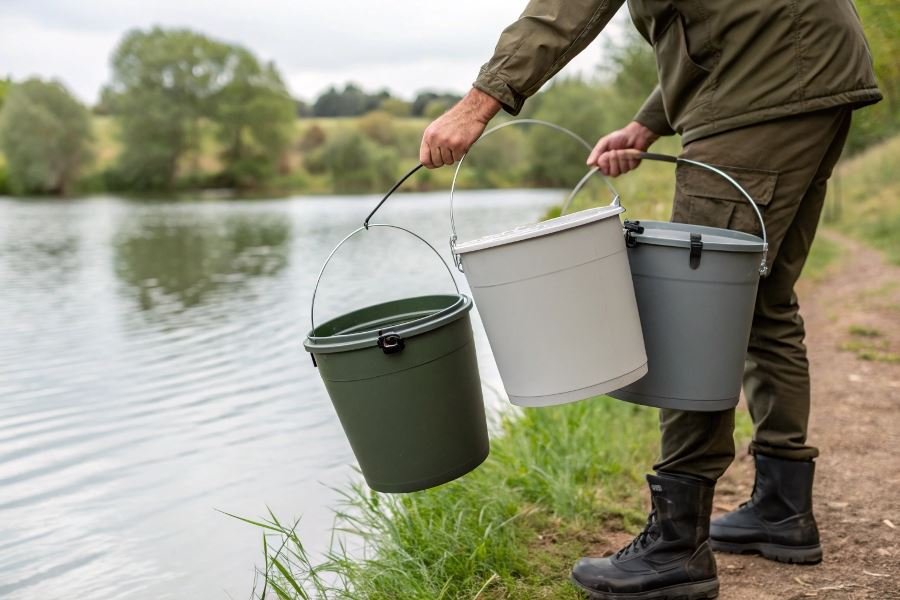
When you’re standing on the shoreline with the sun beating down and that prized bass in hand, the humble fishing bucket becomes your most important piece of equipment. It’s not just a container—it’s a preservation system that determines whether your catch maintains that just-pulled-from-the-water quality or deteriorates before you even get home.
The freshness factor
The cellular breakdown in fish begins the moment it leaves water. A properly selected bucket creates a microenvironment that dramatically slows this process. Studies show that fish stored in appropriate containers can maintain peak freshness up to 40% longer than improperly stored catches.
“The first hour after catching a fish determines the next 72 hours of its quality.” – Professional angler wisdom
How your bucket choice affects flavor
Your bucket selection directly impacts:
- Temperature stability – Insulated options maintain consistent cooling
- Water management – Proper drainage prevents bacterial growth
- Physical protection – Prevents crushing and bruising of delicate flesh
Before you buy: Essential considerations
When selecting your fishing bucket, evaluate these critical factors:
- Size and capacity – Match to your typical catch volume
- Insulation quality – Critical for longer excursions
- Portability vs. durability – The eternal tradeoff
- Lid security – Prevents spillage during transport
- Material safety – Food-grade materials prevent contamination
The difference between a basic bucket and a purpose-built fishing container isn’t just convenience—it’s the difference between serving memorable meals and wondering why your catch doesn’t taste like the ones in restaurants.
Essential Features for Functional Fishing Buckets
When you’re out on the water hauling in bass, trout, or walleye, the last thing you want is your prized catch deteriorating before you make it back to shore. Proper fish storage isn’t just about preservation—it’s about respecting your catch and maximizing its quality. The humble bucket, often overlooked in fishing gear discussions, can make or break your fishing expedition’s success.
How to properly store your catch: choosing a functional bucket requires understanding the critical features that separate premium storage solutions from glorified water carriers. The right bucket doesn’t just hold fish; it creates an environment that maintains freshness, prevents spoilage, and preserves that just-caught quality that makes your effort worthwhile.
Plastic vs. Metal: Material Matters
The age-old debate between plastic and metal buckets comes down to practical considerations rather than mere preference.
Plastic buckets dominate the market for good reason:
- Lightweight (typically 1-3 pounds empty)
- Corrosion-resistant in saltwater environments
- Less temperature conductivity (won’t heat up as quickly)
- Often more affordable ($15-40 range for quality options)
Metal buckets still have their dedicated followers:
- Exceptional durability in extreme conditions
- Better temperature retention when insulated
- Classic aesthetic appeal
- Typically heavier (4-7 pounds empty)
The material choice ultimately depends on your fishing environment and personal priorities—weight versus durability, temperature control versus cost.
Sizing Up Your Storage Needs
| Fishing Type | Recommended Capacity | Ideal Dimensions |
|---|---|---|
| Shore Fishing | 3-5 gallons | 10-12″ diameter |
| Day Boat Trips | 5-7 gallons | 12-14″ diameter |
| Tournament Fishing | 7-10+ gallons | 14-18″ diameter |
| Ice Fishing | 3-5 gallons (insulated) | 10-12″ diameter |
Your bucket capacity should align with your typical catch volume. Overcrowding fish creates stress and accelerates deterioration through excess slime production and oxygen depletion. The rule of thumb: allow approximately 1 gallon of water per pound of fish for optimal storage conditions.
Breathing Room: Aeration and Drainage Systems
The difference between fish arriving home fresh versus stressed comes down to oxygen and water quality management.
Essential aeration features:
- Battery-powered aerators add 2-4 hours of viability to your catch
- Dual-diffuser systems provide more consistent oxygen distribution
- Look for 0.01-0.02 CFM (cubic feet per minute) minimum output
Smart drainage considerations:
- Integrated drain plugs allow water changes without disturbing fish
- Mesh-protected drains prevent scales and debris from clogging systems
- Elevated inner baskets keep fish above sediment and waste
The Frabill Aqua-Life bucket series exemplifies how these features work together, with their patented aerator mounts and dual-level drainage systems that maintain water quality during extended storage periods.
Remember that even the most advanced bucket becomes ineffective without regular water changes every 30-45 minutes on hot days. The best storage systems facilitate this maintenance while minimizing stress to your catch.
Bucket Brilliance: Mastering the Art of Catch Preservation
Storing your prized catch properly isn’t just about keeping fish fresh—it’s about respecting your hard-earned success on the water. A quality fishing bucket becomes your most reliable partner in this crucial post-catch phase. Let’s dive into the essential practices that separate casual anglers from true fishing aficionados.
Keep it pristine
Maintaining your fishing bucket is non-negotiable for serious anglers. After each fishing expedition, thoroughly rinse your bucket with fresh water—never with harsh chemicals that might contaminate future catches. For stubborn fish scales and slime, a mixture of baking soda and water works wonders while keeping things food-safe.
Pro tip: Dedicate 10 minutes post-trip to bucket maintenance, and you’ll add years to its lifespan.
For insulated buckets like those from Yeti or RTIC, pay special attention to gaskets and seals. A light coating of food-grade silicone lubricant applied twice yearly prevents cracking and ensures your bucket maintains its temperature-regulating properties.
Remember that even the highest-quality bucket will fail if neglected. The difference between a $30 bucket lasting one season versus five often comes down to simple maintenance habits.
Science of preservation
The perfect catch storage system combines your bucket with strategic preservation methods:
| Temperature Target | Method | Duration | Best For |
|---|---|---|---|
| 32-34°F | Ice + Water Slurry | 8-12 hours | Trout, Bass, Panfish |
| Below 32°F | Crushed Ice Only | 12-24 hours | Salmon, Larger Game Fish |
| 34-38°F | Gel Ice Packs | 6-10 hours | Tournament Fishing |
Creating an ice slurry (2:1 ice-to-water ratio) provides maximum surface contact with your catch, cooling it faster than ice alone. For extended trips, pre-chill your bucket the night before with ice—this can extend your preservation time by up to 30%.
The fastest way to ruin a trophy catch is improper temperature management in the first hour after landing it.
For those fishing in extreme heat, consider a dual-bucket system: one containing your catch in an ice slurry, nested inside a larger bucket with additional ice as insulation. This technique, popular among Gulf Coast anglers, can maintain optimal temperatures even when summer mercury soars.
Mastering the essentials
After guiding countless anglers through proper catch preservation, I’ve distilled the wisdom into these key principles:
-
Match your bucket to your fishing style – Kayak anglers need secure lids and compact designs, while boat fishermen can prioritize capacity and insulation.
-
Layer your catch correctly – Place ice at the bottom, then fish, then more ice. Never stack fish more than two deep without an ice layer between.
-
Drain but don’t dry – Periodically drain melt water, but always maintain some moisture to prevent fish from drying out.
-
Separate species when possible – Different fish release different enzymes that can affect flavor. Use Bass Pro Shops catch bags inside your bucket for separation.
-
Consider oxygen – For live storage, Frabill’s Aqua-Life aeration systems can be integrated with most standard buckets.
The difference between mediocre and exceptional catch preservation isn’t complicated—it’s about attention to detail and respecting the fundamentals. Your fishing bucket isn’t just equipment; it’s the guardian of your success story until it reaches the table.