
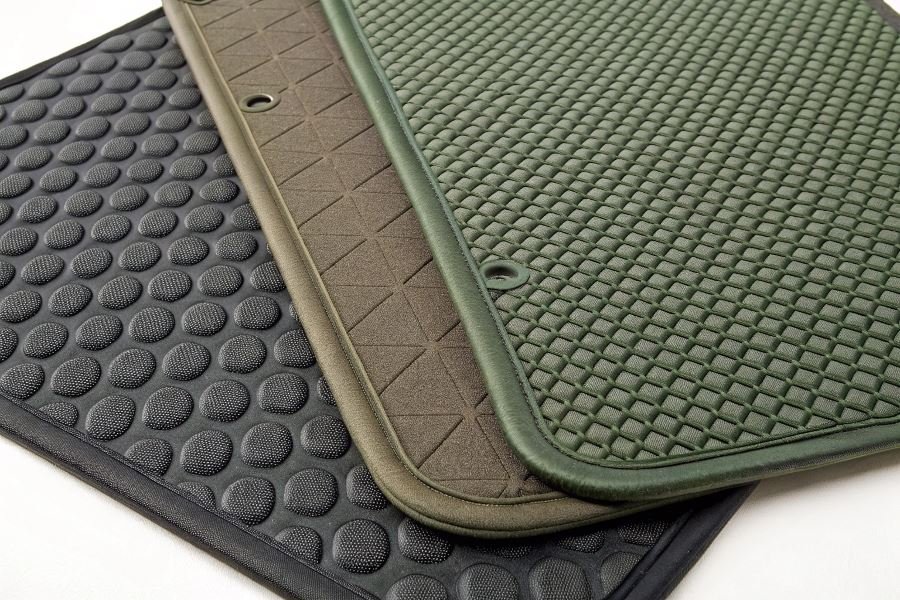
Ever watched a trophy pike slip through an angler’s hands, leaving both fish and fisherman worse for wear? That moment—when excitement turns to panic—is exactly why serious anglers invest in specialized landing mats.
The relationship between predator and prey in fishing extends beyond the water. Once that monster muskie, aggressive bass, or toothy pike is hooked, the real challenge begins. How you handle these powerful creatures determines not just your success rate, but their survival chances too. Landing mats designed specifically for predatory fish have evolved from simple accessories to essential conservation tools that protect both the catch and the catcher.
Consider this: a 40-inch northern pike can thrash with enough force to injure itself on boat decks or rocky shores, while its razor-sharp teeth can easily slice through an unprepared angler’s hand. Bass, with their delicate slime coats that protect against disease, can suffer fatal damage from rough handling. Specialized mats provide cushioned, wet surfaces that minimize stress and injury during those critical moments between water and release.
Conservation through better equipment isn’t just good ethics—it’s smart fishing. Studies show that properly handled and released predatory fish have survival rates exceeding 95%, compared to just 60% when improperly managed. This sustainability focus ensures these magnificent fighters remain in our waters for generations of anglers to experience.
“The way we treat our catch reflects how much we truly respect the sport.” – Professional bass angler Kevin VanDam
The Ultimate Predator Fish Mat Guide
When you’re battling trophy pike or wrestling with monster catfish, the last thing you want is your prized catch flopping around on rough ground. A quality unhooking mat isn’t just an accessory—it’s essential equipment for responsible anglers. The features of choosing a mat for catching predatory fish revolve around protecting both the fish and your investment in the sport.
Material Matters: The Foundation of Protection
Premium mats start with premium materials. The outer shell should feature heavy-duty, waterproof fabrics like 600D polyester or PVC-coated nylon that can withstand sharp teeth, hooks, and repeated exposure to water. The interior cushioning—typically high-density foam or memory foam—provides the critical protection that prevents injury to the fish’s internal organs and slime coat.
The difference between budget and quality mats becomes apparent after just one season of heavy use. Top-tier options from brands like Fox and Nash incorporate anti-bacterial treatments that prevent mold growth and fish-borne pathogens from developing.
Sizing Up Your Needs
The size of your unhooking mat should directly correlate with your target species:
| Target Fish | Recommended Mat Size | Minimum Thickness |
|---|---|---|
| Pike/Muskie | 40″ x 24″ | 2″ |
| Bass/Walleye | 30″ x 20″ | 1.5″ |
| Catfish | 48″ x 30″ | 3″ |
Thickness deserves special attention—inadequate cushioning can lead to internal injuries for the fish. For predators exceeding 20 pounds, never compromise with anything less than 2 inches of high-density foam. The Rapala Pro Guide Unhooking Mat offers graduated thickness with reinforced centers where the fish’s weight concentrates.
Portability: Because Fishing Spots Change
Even the most protective mat becomes useless if it’s too cumbersome to bring along. Modern engineering has solved this dilemma with innovative folding designs:
- Tri-fold systems maintain thickness while reducing packed size by 66%
- Roll-up mats with securing straps offer the smallest transport footprint
- Inflatable options provide ultimate portability but sacrifice some stability
Weight considerations become crucial when hiking to remote fishing locations. The sweet spot lies between 4-7 pounds—heavy enough to stay put in windy conditions but light enough to carry alongside other gear.
Built-in carrying handles, shoulder straps, and water-draining systems transform a good mat into a great one. The Simms Predator Landing Pad includes quick-dry technology that prevents your vehicle from becoming a mobile aquarium on the drive home.
Integration With Your Fishing System
The best mats don’t exist in isolation—they work seamlessly with your other equipment. Look for:
- Raised edges that prevent fish from sliding off
- Integrated measuring systems for quick length documentation
- Compatibility with your existing landing net
- Reflective strips for low-light conditions
When selecting your predator fish mat, remember that you’re not just buying a piece of equipment—you’re investing in the health of the fishery and the future of your sport. The right mat protects the fish you release today so they can provide thrilling fights tomorrow.
Taking Your Predator Fish Mat Game to the Next Level
Specialized Features That Make a Difference
When you’re handling trophy-sized pike or muskie, the difference between a basic mat and a premium one becomes crystal clear. The most advanced mats now come with built-in measuring systems etched directly into the surface—allowing you to quickly document your catch without fumbling for a separate measuring tape. These integrated rulers are typically waterproof and abrasion-resistant, maintaining their legibility season after season.
Side walls have revolutionized fish handling safety. Unlike flat mats, models with 3-4 inch padded walls create a secure containment area that prevents powerful predators from thrashing themselves back into the water or onto rocky shores. The Korum Safezone and Fox Carpmaster exemplify this design philosophy, with reinforced corners that maintain structural integrity even when wrestling with a 40+ inch northern pike.
Water retention can quickly turn your premium mat into a soggy mess, potentially harboring bacteria and odors. That’s where strategic drainage capabilities come into play. Look for mats featuring:
- Mesh drainage panels
- Channeled base designs
- Quick-dry hydrophobic materials
These drainage systems ensure that water flows away from your catch rather than pooling beneath it, maintaining better hygiene and extending the life of your equipment.
Keeping Your Mat in Prime Condition
The harsh reality of predator fishing means your mat will encounter blood, slime, and environmental debris. Establishing a proper maintenance routine isn’t just about aesthetics—it directly impacts fish welfare and your mat’s longevity.
After each fishing session, rinse your mat thoroughly with fresh water. For deeper cleaning, a mild, fish-safe disinfectant solution works wonders without leaving harmful residues. Never use household cleaners containing bleach or ammonia, as these can leave toxic residues that may harm future catches.
Storage technique matters tremendously. Always dry your mat completely before rolling or folding it for transport. Many premium mats come with dedicated storage bags featuring ventilation to prevent mildew growth during extended storage periods.
| Maintenance Task | Frequency | Tools Needed |
|---|---|---|
| Quick rinse | After each use | Fresh water |
| Deep clean | Monthly | Fish-safe disinfectant |
| Seam inspection | Seasonally | None |
| UV protection | As needed | Mat-specific protectant spray |
Value Assessment: Getting What You Pay For
The price range for predator fish mats spans from $30 budget options to $200+ premium models. This substantial variance reflects meaningful differences in durability, fish protection, and specialized features.
When evaluating value, consider the cost-per-season rather than just the upfront price. A 150matthatlastsfiveseasons(30/year) offers better value than a $50 mat requiring replacement every season. Premium materials like closed-cell foam padding and reinforced PVC bases command higher prices but deliver superior performance and longevity.
Feature integration also affects pricing. Mats with built-in weigh slings, integrated measuring systems, and specialized drainage typically cost 30-40% more than basic models. However, these features eliminate the need for separate accessories, potentially saving money and streamlining your gear collection.
The sweet spot for most serious predator anglers typically falls between $80-120, where you’ll find excellent protection, reasonable durability, and useful features without paying for unnecessary bells and whistles. Brands like Frabill and Rapala consistently deliver solid value in this range.
Remember that the ultimate value of your mat isn’t measured in dollars but in the health of the fish you release and the memories you create on the water.