
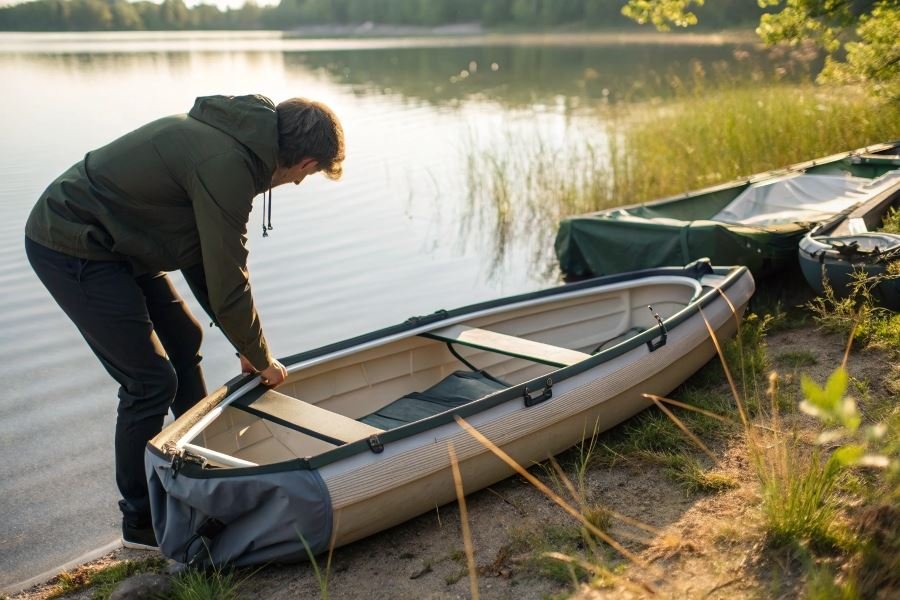
Water calls to us. It always has. But the way we answer that call has evolved dramatically, with recreational kayaking seeing an unprecedented surge in popularity. Last year alone, sales of touring kayaks jumped 34% as more adventurers sought the perfect balance of exploration and exercise.
Tourist kayaks have become the vessels of choice for weekend warriors and seasoned paddlers alike, offering that sweet spot between performance and accessibility. The market has responded with innovations that make these watercraft more versatile, comfortable, and tailored to specific environments than ever before.
Current paddling trends reshaping the water
The kayaking landscape has transformed significantly. Modular designs now dominate the recreational scene, allowing paddlers to customize their experience based on trip duration and conditions. Inflatable technology has advanced beyond recognition, with premium models offering rigidity that rivals traditional hard-shells while maintaining the convenience of pack-down portability.
Choosing your perfect match
Selecting the right tourist kayak isn’t just about budget—it’s about matching the boat to your adventure style. Consider these critical factors:
- Water environment: Calm lakes demand different features than coastal explorations
- Trip duration: Day trips vs. multi-day expeditions require different storage capacities
- Your physical build: Cockpit size and weight capacity matter more than you might think
- Transport logistics: How will you get your kayak to the water?
Purpose-built vessels for every adventure
Tourist kayaks generally fall into three distinct categories:
- Recreational day kayaks: Stable, affordable, perfect for calm waters
- Touring kayaks: Longer, faster, with storage for overnight trips
- Crossover models: Versatile designs that handle multiple environments
Each category offers specialized features that enhance specific paddling experiences—from fishing-focused stability to expedition-ready storage systems that keep gear dry through challenging conditions.
Top Tourist Kayaks That Dominate the Water
When paddlers discuss the most popular models of tourist kayaks, three distinct categories consistently rise to the surface: inflatable, sit-on-top, and sit-inside designs. Each category serves different needs, environments, and skill levels, with standout models that have earned their reputation through performance, durability, and user satisfaction.
Let’s dive into the elite models that have paddlers reaching for their wallets and hitting the water in record numbers. The kayaking community has clearly voted with their paddles, establishing clear favorites across all three major categories. These vessels represent the perfect balance of accessibility, performance, and value that recreational paddlers demand.
Inflatable Tourist Kayaks: Portable Performance
Inflatable kayaks have revolutionized the accessibility of paddling sports, offering remarkable portability without sacrificing too much performance.
Advanced Elements AdvancedFrame combines the portability of an inflatable with the performance of a hardshell. Its aluminum rib frame creates impressive tracking ability while maintaining a 36-pound packed weight. The multi-layer construction provides puncture resistance that rivals traditional kayaks.
The AdvancedFrame’s hybrid design makes it the go-to choice for apartment dwellers and travelers who refuse to compromise on performance.
Intex Explorer K2 represents the budget-friendly gateway to kayaking that doesn’t feel like a compromise. This bright yellow tandem weighs just 30 pounds but supports 400 pounds of capacity. The included aluminum paddles and high-output pump make it a complete package for under $150.
Sea Eagle 330 stands as the durability champion with its 33-mil PolyKrylar construction. Despite weighing only 26 pounds, it handles Class III rapids and supports 500 pounds. The self-bailing drain valves make it versatile for both flat water and light whitewater adventures.
Sit-On-Top Tourist Kayaks: Freedom and Versatility
Sit-on-top designs offer unmatched accessibility and versatility for warm-water paddling.
Ocean Kayak Malibu Two has maintained its popularity for decades with its stable, versatile design. The three seating positions allow solo, tandem, or parent-child configurations. At 57 pounds, it’s manageable for most users while providing 425 pounds of capacity.
| Model | Weight | Capacity | Best For |
|---|---|---|---|
| Malibu Two | 57 lbs | 425 lbs | Families, versatility |
| Tribe 11.5 | 52 lbs | 350 lbs | All-around use |
| Tarpon 120 | 63 lbs | 350 lbs | Fishing, touring |
Perception Tribe 11.5 delivers exceptional stability with its 30-inch beam while maintaining respectable speed. The molded-in seat with padded cushioning provides all-day comfort, while the replaceable skid plate extends hull life.
Wilderness Systems Tarpon 120 represents the premium end with its Phase 3 AirPro seating system and refined hull design. The SlideTrax accessory system and multiple hatches make it ideal for fishing and day touring, justifying its higher price point.
Sit-Inside Tourist Kayaks: Protected Paddling
For cooler conditions or longer journeys, sit-inside designs offer protection and efficiency.
Wilderness Systems Pungo 120 consistently tops sales charts with its perfect balance of stability, speed, and comfort. The Phase 3 seating system offers unmatched adjustability, while the 28-inch beam provides confidence for beginners without sacrificing performance.
The dashboard console with cup holder, gear storage, and optional electronics module makes the Pungo the SUV of recreational kayaks.
Perception Pescador 12 delivers exceptional value with performance that rivals boats costing hundreds more. The tracking and stability make it suitable for everything from lazy rivers to protected coastal paddling.
Old Town Vapor 10 rounds out the list with its ultra-accessible design. The spacious cockpit makes entry and exit effortless, while the Comfort Flex seat provides support for hours of exploration. At just 10 feet, it’s maneuverable in tight spaces while remaining stable enough for beginners.
Finding Your Perfect Tourist Kayak Match
Choosing the right tourist kayak isn’t just about picking a pretty color or grabbing whatever’s on sale. It’s about finding that perfect match between your paddling ambitions and the vessel that’ll carry you through countless adventures. Let’s dive into how to make that perfect connection.
Water Environments Demand Different Designs
Tourist kayaks aren’t one-size-fits-all propositions. The environment you’ll paddle in should dictate your choice:
Calm lakes and slow rivers call for recreational kayaks like the Perception Swifty or Old Town Vapor 10. These stable, forgiving models offer comfort for leisurely paddles and photography stops.
Coastal waters and bays demand sit-on-top models like the Ocean Kayak Malibu Two or Wilderness Systems Tarpon 120. Their self-draining design handles small waves while providing stability for fishing or wildlife watching.
Moving rivers and light whitewater require more responsive touring kayaks. The Dagger Axis 12 and Wilderness Systems Tsunami 125 offer tracking fins and moderate rocker profiles that balance straight-line efficiency with maneuverability.
The right kayak transforms challenging conditions into your playground, while the wrong one turns a gentle creek into an exhausting battle.
Budget Tiers That Make Sense
Tourist kayaks span several price points, each offering distinct advantages:
| Price Range | What to Expect | Popular Models |
|---|---|---|
| $300-500 | Rotomolded polyethylene, basic features, heavier weight | Pelican Trailblazer 100, Sun Dolphin Aruba 10 |
| $500-900 | Better seat systems, storage hatches, lighter materials | Perception Pescador Pro 12, Old Town Dirigo 120 |
| $900-1500 | Premium outfitting, performance hull designs, lightweight construction | Wilderness Systems Pungo 125, Eddyline Skylark |
| $1500+ | Composite materials (fiberglass/carbon), ultralight, specialized performance | Delta Kayaks 15S, Current Designs Vision 140 |
The sweet spot for most recreational paddlers falls in the $500-900 range, where durability meets reasonable weight and comfort. However, if you’re paddling weekly or taking extended trips, the investment in a higher-tier model pays dividends in reduced fatigue and increased enjoyment.
Durability and Maintenance Realities
Your commitment to maintenance should influence your kayak choice:
Polyethylene models (like the Perception Tribe) require minimal maintenance—just rinse after saltwater use and store out of direct sunlight. They’ll handle dragging over rocks and rough landings, though UV exposure will eventually degrade the material.
ABS plastic kayaks (like Hurricane Santee) offer better UV resistance and lighter weight, but demand more careful handling around sharp rocks and during transport.
Composite kayaks deliver performance but require vigilant care. Even minor impacts can damage the hull, and repairs often require specialized skills.
Maintenance essentials for all models include:
- Regular inspection of hull integrity
- Cleaning and lubricating rudder systems and foot pedals
- Proper storage away from extreme temperatures
- Checking and replacing worn bungees and deck lines
The most popular tourist kayaks strike that perfect balance between performance, durability, and maintenance requirements. Models like the Wilderness Systems Pungo and Dagger Stratos have earned their reputation through thoughtful design that anticipates real-world use conditions.
Remember that the best kayak isn’t necessarily the most expensive or feature-laden—it’s the one that gets you on the water consistently, comfortably, and confidently. Match your choice to your environment, budget, and willingness to maintain it, and you’ll find yourself planning your next paddling adventure before the current one ends.