
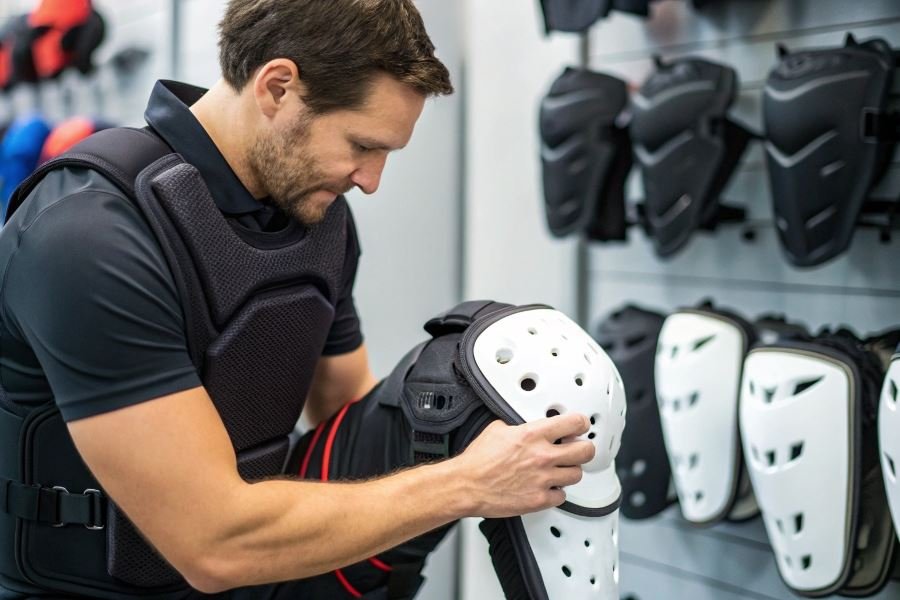
Ever taken a direct hit to the groin? If you have, you know it’s an experience you never want to repeat. Whether you’re stepping onto the martial arts mat, gearing up for baseball, or hitting the hockey rink, proper groin protection isn’t just a good idea—it’s absolutely essential for preventing potentially serious injuries.
Groin protectors come in several distinct forms, each designed for specific activities. Cup-style protectors dominate combat sports and baseball, offering rigid protection against direct impacts. Compression shorts with integrated cups provide mobility for sports like soccer and basketball, while padded protectors offer lighter protection for activities with less impact risk. The differences matter—wearing boxing gear for hockey could leave you vulnerable in all the wrong ways.
A quality groin protector combines three critical elements: impact resistance, anatomical fit, and moisture management. The best protectors feature high-density foam or molded plastic shells that distribute force away from sensitive areas, antimicrobial treatments to prevent odor buildup, and breathable materials that keep you comfortable during intense activity.
“The difference between a properly fitted groin protector and an ill-fitting one can be the difference between walking off the field or being carried off.” – Professional equipment manager
Proper fit isn’t just about comfort—it’s about safety. Too loose, and the protector shifts during movement, leaving you exposed. Too tight, and it restricts blood flow and movement. And maintenance? Regular cleaning prevents bacterial growth, while inspection for cracks or wear ensures your protection doesn’t fail when you need it most. Remember: your groin protector is personal protective equipment, not just another piece of gear.
Wearing Groin Protection Like a Pro
Let’s face it—nobody enjoys talking about groin protection, but if you’re serious about sports safety, it’s a conversation worth having. Whether you’re stepping into the boxing ring, taking the baseball field, or gearing up for martial arts, proper groin protection can be the difference between confidence in your performance and a trip to the emergency room.
The fundamentals of how to properly wear and care for groin protection aren’t taught in most coaching sessions, yet they’re crucial for athletes at every level. From weekend warriors to professional competitors, understanding the correct way to position, secure, and maintain your protective gear ensures both safety and comfort during intense physical activity.
Positioning Your Guard Correctly
Getting the right fit starts with selecting the appropriate size. Most athletic cups come in small, medium, and large sizes based on waist measurements, not athletic ability (a mistake many make).
- Begin by putting on compression shorts or a jockstrap designed to hold the cup
- Position the cup over the entire genital area with the narrower end pointing downward
- Ensure the cup sits snugly against your body without pinching or gaps
- Secure any straps according to manufacturer guidelines
- Test the fit by moving, jumping, and stretching before competition
Pro tip: If you can feel the edges of the cup digging into your thighs or groin, it’s either the wrong size or incorrectly positioned.
The most common mistake? Wearing the cup too low. Your protective gear should cover the entire genital region with the top edge resting just below your waistline.
Sport-Specific Adjustments
Different sports demand different approaches to protection:
| Sport | Recommended Protection Type | Special Considerations |
|---|---|---|
| Boxing/MMA | No-shift cup with reinforced edges | Position slightly higher for kick protection |
| Baseball/Softball | Ventilated athletic cup | Ensure compatibility with sliding movements |
| Hockey | Extra-padded cup with thigh protection | Must work with hockey pants and girdle |
| Martial Arts | Flexible cup with impact dispersion | Should allow full range of kicking motion |
For combat sports athletes, consider cups with gel padding that molds to your body shape. These provide superior protection during high-impact strikes while maintaining mobility.
Baseball and softball players should opt for cups that won’t shift during base running. The Diamond MMA Athletic Cup offers excellent stability during lateral movements and slides.
Troubleshooting Fit Issues
If you’re experiencing discomfort, don’t ignore it. Here are solutions to common problems:
- Cup shifts during movement: Try a compression short with a more secure pocket or consider athletic tape to secure the edges
- Pinching at the thighs: Your cup is likely too narrow; size up or try a different brand with wider edges
- Riding up during activity: The cup is positioned too high initially; start lower and secure firmly
- Chafing around edges: Apply athletic body glide to reduce friction or look for cups with softer edge materials
Remember that even the best protection fails if it moves out of position during activity.
For athletes with larger builds, standard cups may not provide adequate coverage. Consider specialized options like the Shock Doctor Ultra Carbon Flex Cup that offers extended protection without sacrificing mobility.
The ultimate test? Once properly positioned, you should barely notice your protection is there—until it saves you from a direct hit. Then, you’ll be grateful you took the time to wear it correctly.
Maximizing the Lifespan of Your Groin Protector
Let’s face it—nobody gets excited about cleaning protective gear, but when it comes to groin protection, proper maintenance isn’t just about extending equipment life—it’s about your health and performance. As someone who’s seen the consequences of neglected gear firsthand, I can tell you that these maintenance protocols are non-negotiable for athletes serious about their sport and safety.
Cleaning protocols that won’t make you cringe
Your groin protector sits in one of the most bacteria-prone areas of your body during intense physical activity. Sweat, bacteria, and odor accumulate rapidly, making regular cleaning essential. Here’s the cleaning schedule champions follow:
- After every use: Quick rinse with cold water and mild soap
- Weekly: Deep cleaning with antibacterial soap
- Monthly: Sanitizing treatment
For plastic cup protectors, remove the cup from its fabric housing before cleaning. Most cups can be washed with antibacterial soap and warm (not hot) water. The fabric components typically require gentle hand washing or delicate machine cycles in a mesh bag.
The difference between a 2-minute post-training rinse and no cleaning at all can mean the difference between gear that lasts years versus months.
For those using compression shorts with built-in protection, turn them inside out before washing to ensure thorough cleaning of the areas in direct contact with your skin. Always air dry your gear rather than using a dryer, as heat can warp plastic components and degrade elastic materials.
Storage practices that preserve protection
How you store your groin protector between uses dramatically affects its lifespan and protective capabilities. The cardinal rules:
- Store completely dry to prevent mold and material breakdown
- Maintain the natural shape to preserve protective properties
- Keep away from extreme temperatures that can warp materials
The ideal storage approach is hanging compression shorts or laying cups in a ventilated equipment bag. Never fold, crush, or stack heavy items on top of your protector, as this can create structural weaknesses exactly where you need strength most.
| Storage Don’ts | Why It Matters |
|---|---|
| Bottom of gym bag | Creates pressure points and traps moisture |
| Direct sunlight | Degrades elastic and plastic components |
| Folded or bent | Compromises the impact-absorbing structure |
| Extreme temperatures | Can warp materials and reduce effectiveness |
When to retire your trusty defender
Even the highest quality groin protection has a finite lifespan. Knowing when to replace your gear is crucial for maintaining optimal protection. Look for these telltale signs:
Visual indicators:
- Cracks or chips in the hard cup
- Fraying fabric or stretched elastic
- Deformation of the original shape
- Discoloration that persists after cleaning
Performance indicators:
- Shifting position during movement
- Decreased comfort or increased chafing
- Odor that won’t dissipate after thorough cleaning
Most quality groin protectors should last 1-2 years with proper care, though high-level competitors often replace them seasonally. If you’ve taken a significant direct impact, inspect thoroughly afterward—even invisible structural damage can compromise future protection.
Remember that your groin protector is an investment in both performance and health. The modest cost of timely replacement pales in comparison to the potential medical expenses and downtime from preventable injuries. When in doubt, err on the side of caution—your future self will thank you.