
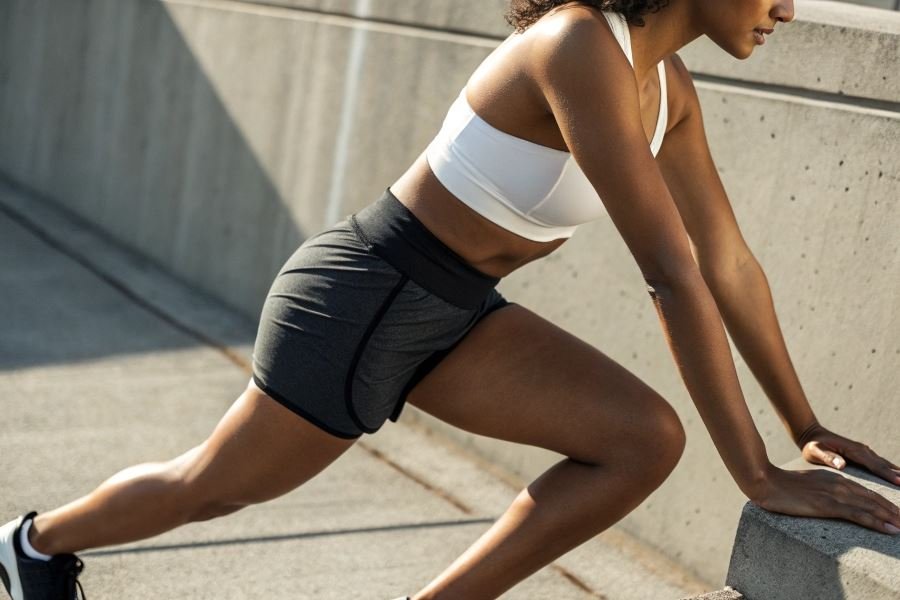
Ever noticed how Olympic sprinters wear those ultra-short shorts while basketball players rock longer styles? It’s not just fashion—it’s function. The length of your sports shorts can be the difference between personal best performance and unnecessary discomfort.
When you’re pushing your limits on the track, court, or trail, every detail matters. The right shorts length doesn’t just affect how you look—it fundamentally changes how you move, breathe, and perform. Too long, and you might sacrifice mobility; too short, and you could be dealing with chafing or constant adjustments.
Different body types demand different approaches to shorts length. Those with longer legs might benefit from mid-length shorts that balance coverage with freedom of movement, while shorter athletes often find that shorter inseams create the illusion of length while maximizing mobility. Meanwhile, muscular thighs need shorts with enough room to prevent restriction during explosive movements.
“The perfect shorts length isn’t universal—it’s personal. Your unique body proportions, activity type, and comfort preferences all play crucial roles in finding your ideal fit.”
Three key factors should guide your selection: the specific activity you’re engaging in, your body proportions, and your personal comfort zone. Marathon runners need different considerations than weightlifters, and what works for professional athletes might not be right for your weekend warrior adventures.
Finding Your Perfect Sports Shorts Length
The difference between good shorts and great shorts often comes down to one crucial factor: length. When your shorts hit at just the right spot on your legs, they not only look better but perform better too. Let’s dive into how to choose the perfect length of sports shorts for your body type by understanding your unique proportions and measurements.
Mastering the Inseam Measurement
The inseam—that vertical seam running along the inner part of your shorts—is your golden ticket to perfect fit. Here’s how to measure it properly:
- Stand naturally with your feet shoulder-width apart
- Take a flexible measuring tape and measure from your crotch to where you want your shorts to end
- Record this measurement in inches for most accurate shopping
Pro tip: Add half an inch to your measurement if you prefer a slightly looser feel during high-intensity movements.
Most performance shorts from brands like Nike or Under Armour list their inseam measurements in product descriptions, making your selection process much simpler once you know your number.
Height-Based Length Guidelines
Your overall height plays a significant role in determining which shorts length will complement your frame:
| Height Range | Recommended Inseam | Style Notes |
|---|---|---|
| Under 5’6″ | 5-7 inches | Shorter inseams create the illusion of longer legs |
| 5’6″ to 6’ | 7-9 inches | Mid-length offers versatility for most activities |
| Over 6’ | 9-11 inches | Longer inseams maintain proportion on taller frames |
Remember that these are starting points. A basketball player standing 5’8″ might prefer longer shorts for sport-specific reasons, while a 6’2″ runner might opt for shorter shorts to reduce material during races.
Balancing Your Proportions
Not all bodies are created equal, and the relationship between your torso and legs matters tremendously when selecting shorts. Those with longer torsos and shorter legs should consider shorter inseams to visually extend the leg line. Conversely, if you have a shorter torso with longer legs, mid-length or slightly longer shorts can create a more balanced silhouette.
“The goal isn’t just comfort—it’s finding that sweet spot where your shorts enhance your natural proportions rather than working against them,” explains performance apparel designer Sarah Chen.
Consider these proportion-balancing strategies:
- Short torso/long legs: Choose 7-9 inch inseams to create visual balance
- Long torso/short legs: Opt for 5-7 inch inseams to elongate legs
- Balanced proportions: You have more flexibility—choose based on activity and personal preference
Athletic builds with muscular thighs should prioritize shorts with stretch fabrics and potentially size up or choose styles with side slits for unrestricted movement. Lululemon offers excellent options with four-way stretch that accommodate athletic builds while maintaining proper length proportions.
Remember that the perfect shorts length isn’t just about aesthetics—it directly impacts your performance. Too long, and you might experience restricted movement; too short, and you could face chafing or discomfort during certain exercises. By understanding your unique body proportions and applying these measurement techniques, you’ll find sports shorts that enhance both your performance and confidence.
Sealing the Deal: The Perfect Shorts Length for Your Body
Finding the ideal shorts length isn’t just about following trends—it’s about honoring your unique physique while meeting the demands of your chosen activity. Let’s finalize your decision with some crucial considerations that might just change your perspective on what “perfect fit” really means.
When sport trumps body type
While body proportions provide an excellent starting point, certain sports have non-negotiable requirements that override general guidelines:
- Basketball players typically benefit from longer shorts (9-11″) regardless of height, providing protection during floor contact and facilitating lateral movement
- Sprinters and track athletes almost universally opt for shorter cuts (3-5″) to eliminate drag and maximize stride freedom
- Cyclists require specialized shorts with compression and padding that follow sport-specific sizing rather than body-type recommendations
The intensity level of your activity also matters. Higher-intensity workouts generally benefit from shorter inseams that allow for unrestricted movement and better heat dissipation.
The sport you play should have the final say in your shorts length decision. Even the most flattering cut won’t help if it hinders performance.
The fitting room test drive
Reading about perfect fit is one thing—experiencing it is another. When trying shorts:
- Perform activity-specific movements in the fitting room (squats, lunges, stretches)
- Check for bunching in the crotch area when sitting
- Ensure the waistband stays put during dynamic movements
- Verify that thigh circumference feels comfortable without restricting blood flow
Pro tip: Wear the same type of underwear you’ll use during activities when trying on shorts. The difference between compression shorts and regular underwear can significantly affect fit.
Seasonal and activity adjustments
Your perfect shorts length might change with the seasons and activities:
| Season | Recommended Adjustment | Reasoning |
|---|---|---|
| Summer | 1-2″ shorter than usual | Enhanced cooling, sun exposure |
| Spring/Fall | Standard recommendation | Balanced temperature regulation |
| Indoor training | Can go shorter | Climate-controlled environment |
| Outdoor trails | Consider longer | Protection from elements |
For multi-sport athletes, consider your primary activity but be willing to compromise. If you cross-train between running and weight training, a 7″ inseam often provides the versatility needed for both activities.
Remember that fabric technology continues to evolve. Modern performance materials from brands like Nike and Under Armour offer incredible stretch and ventilation that can make slightly longer shorts feel as freeing as shorter ones.
The perfect shorts length ultimately comes down to the intersection of body proportions, sport requirements, and personal comfort. Trust your instincts—if a pair feels right during your test movements and gives you confidence, you’ve likely found your match. Your perfect shorts should feel like they were made specifically for you, becoming an extension of your body during activity rather than a distraction from your performance.