
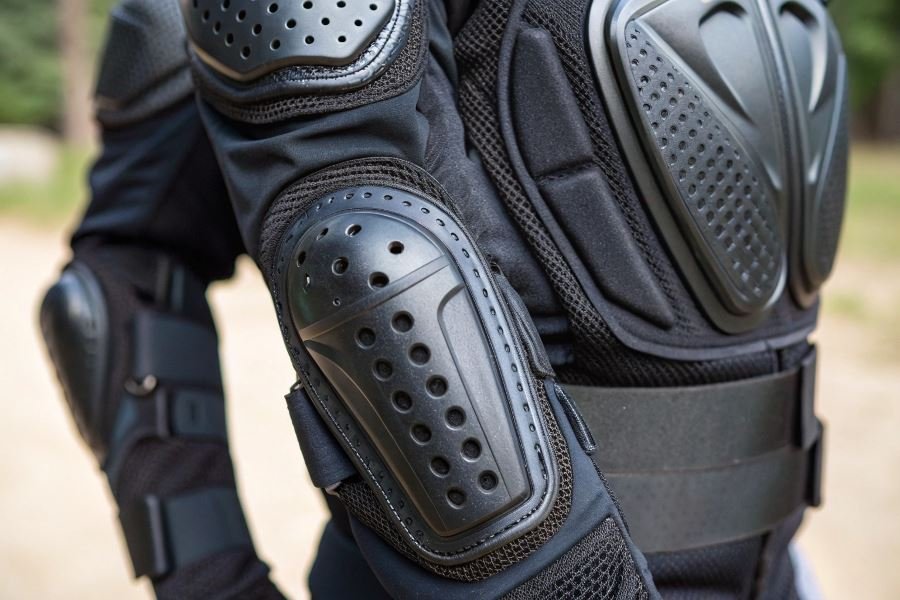
Ever caught an edge and landed hard on your tailbone? That searing pain isn’t just uncomfortable—it can end your ski season in an instant. While helmets get all the glory in skiing safety conversations, protective shorts are the unsung heroes keeping your hips, tailbone, and thighs safe when gravity wins.
The science behind modern impact protection has evolved dramatically since the bulky padding of the early 2000s. Today’s protective shorts incorporate advanced materials like D3O® that remain flexible during normal movement but instantly harden upon impact—precisely when you need protection most. This technology has revolutionized how skiers approach risk management on challenging terrain.
Three critical features separate premium protective shorts from basic options: strategic padding placement that covers vulnerable areas without restricting movement; moisture-wicking, breathable fabrics that prevent overheating; and low-profile designs that fit comfortably under ski pants without creating bulk or friction.
“The most common skiing injuries I treat could have been prevented or significantly reduced with proper impact protection.” — Dr. Mark Steinberg, Sports Medicine Specialist
Protective shorts specifically target high-risk injury zones. The tailbone (coccyx) is particularly vulnerable during backward falls, while hip pointers and thigh contusions frequently occur during side impacts. Quality protective shorts create a defensive barrier that absorbs and disperses impact forces before they reach your bones and soft tissues.
For aggressive tree skiers, park enthusiasts, and anyone pushing their limits, these specialized garments aren’t just accessories—they’re essential equipment that can mean the difference between a momentary tumble and a season-ending injury.
Protective Armor for the Slopes
When carving through fresh powder at high speeds, the right protection can mean the difference between a minor tumble and a season-ending injury. Today’s protective shorts for skiing have evolved dramatically, offering advanced impact absorption while maintaining freedom of movement. Let’s dive into the top 3 protective shorts that serious skiers are reaching for this season.
POC Hip VPD 2.0 Shorts
The Swedish protection specialists at POC have created something special with their Hip VPD 2.0 shorts. These aren’t your average padded garments—they’re engineering marvels.
Material Innovation: The VPD (Visco-Elastic Polymer Dough) technology is the standout feature here. This remarkable material remains flexible during normal movement but instantly hardens upon impact, redirecting force away from your vulnerable areas.
Temperature Responsive: Unlike traditional foam that stiffens in cold conditions, the VPD material maintains its protective properties even when temperatures drop below freezing—crucial when you’re selecting top 3 protective shorts for skiing in varying mountain conditions.
The anatomical fit hugs your body without restricting movement, with strategic padding at the tailbone, hips, and thighs. Ventilation channels prevent overheating during intense runs.
Protection Level: High (5/5)
Price Point: $149.95
Burton Total Impact Short
Burton brings their snowboarding expertise to skiing protection with these comprehensive impact shorts that deliver exceptional coverage.
G-Form Technology: These shorts utilize patented RPT® (Reactive Protection Technology) pads that remain soft and flexible until impact, when they instantly stiffen to absorb and disperse energy.
Moisture Management:
- Dryride Ultrawick™ fabric
- Four-way stretch construction
- Antimicrobial treatment to prevent odor
The low-profile design allows these shorts to fit comfortably under ski pants without bunching or creating awkward bulges. The compression fit provides muscle support during long days on the mountain.
Protection Level: High (4.5/5)
Price Point: $129.99
Demon Flex-Force X D3O Short
The Demon Snow Flex-Force shorts incorporate the revolutionary D3O® impact protection material that’s changing the game for winter sports safety.
D3O® Technology: This intelligent material contains molecules that flow freely under normal conditions but lock together under impact, absorbing and dispersing energy before returning to their flexible state.
Comprehensive Coverage:
| Protection Zone | Material | Thickness |
|---|---|---|
| Tailbone | D3O® | 9mm |
| Hips | D3O® | 7mm |
| Thighs | EVA foam | 6mm |
Breathability Focus: Mesh panels strategically placed for maximum ventilation prevent overheating, while the moisture-wicking fabric keeps you dry throughout your ski session.
The shorts feature a longer leg design for additional quad protection—particularly valuable for aggressive skiers who push boundaries in terrain parks or backcountry.
Protection Level: Medium-High (4/5)
Price Point: $89.95
Each of these protective options offers exceptional impact absorption while maintaining the mobility essential for dynamic skiing. Your choice ultimately depends on your specific needs—whether you prioritize maximum protection, temperature regulation, or finding the perfect balance between safety and freedom of movement on the slopes.
Choosing Your Perfect Ski Protection
When it comes to protecting your body on the slopes, not all shorts are created equal. After reviewing our top three contenders, it’s time to make that crucial decision that could mean the difference between a season-ending injury and getting right back up after a fall.
Performance at a glance
| Model | Impact Protection | Flexibility | Breathability | Best For |
|---|---|---|---|---|
| Burton Total Impact | ★★★★★ | ★★★☆☆ | ★★★★☆ | All-mountain riders |
| Demon FlexForce X D3O | ★★★★★ | ★★★★☆ | ★★★☆☆ | Park riders, freestylers |
| POC VPD System | ★★★★★ | ★★★★★ | ★★★★☆ | Advanced skiers, racers |
Finding your perfect match
Aggressive park riders will find their home in the Demon FlexForce X D3O shorts. The reinforced tailbone protection and strategic padding placement make these the go-to choice when you’re pushing boundaries in the terrain park. The D3O technology’s ability to harden on impact while remaining flexible during normal movement gives you confidence to attempt that 540 you’ve been eyeing.
All-mountain enthusiasts should gravitate toward the Burton Total Impact shorts. Their balanced approach to protection and comfort makes them versatile enough for everything from groomed runs to light backcountry exploration. The moisture-wicking fabric keeps you dry during those long, active days that stretch from first chair to last.
For those who demand technical precision, the POC VPD System shorts offer unparalleled anatomical fit and protection. Their premium construction and attention to detail make them worth the investment for advanced skiers who spend significant time at high speeds or on challenging terrain. The VPD (Visco-Elastic Polymer Dough) material adapts to your body temperature, becoming more pliable as you warm up.
The best protective shorts aren’t the ones with the most padding—they’re the ones that move with you so seamlessly you forget you’re wearing them until the moment you need them.
Extending your investment
Protective shorts represent a significant investment in your skiing safety, and proper care can extend their lifespan considerably:
-
Air dry after each use – Even if you didn’t noticeably sweat, moisture can accumulate and lead to odor or material breakdown.
-
Hand wash with mild detergent – Machine washing can compromise the protective elements and reduce their effectiveness over time.
-
Store flat or hanging – Avoid compressing the padding during off-season storage, which can reduce its protective capabilities.
-
Inspect regularly for damage – Small tears can expand quickly and compromise protection when you need it most.
-
Replace after significant impacts – Most protective materials are designed to absorb a single major impact before their effectiveness diminishes.
The difference between good and great protective shorts often comes down to how they feel after hour six on the mountain. The best protection is the one you’ll actually wear consistently, so prioritize comfort alongside safety ratings. Your skiing style, frequency, and terrain preferences should guide your final decision more than brand loyalty or aesthetics.
Remember that even the best protective shorts are just one component of a comprehensive safety approach that should include proper technique, awareness, and appropriate equipment for your skill level. When that inevitable fall comes, you’ll be thankful you took the time to make the right choice.