
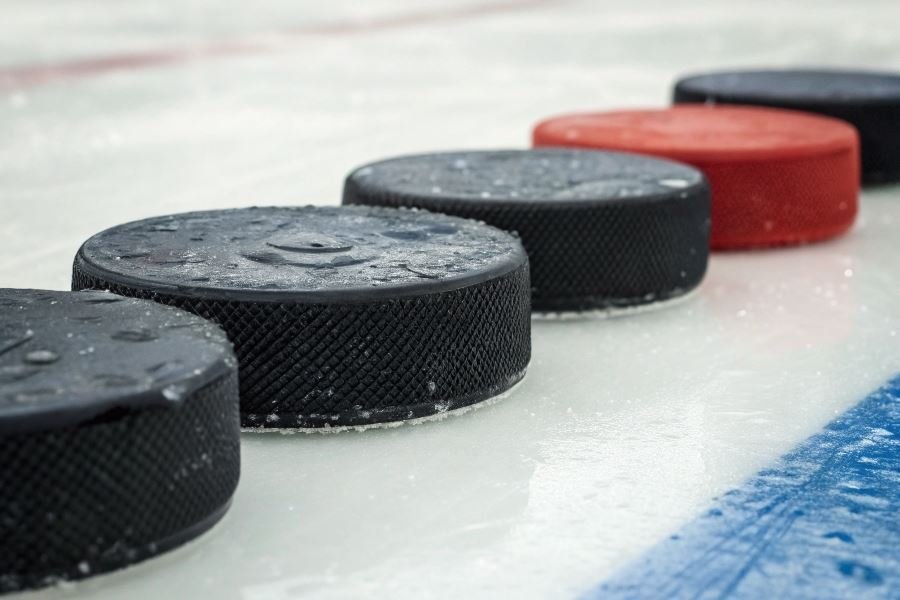
Ever watched a field hockey match and marveled at how that little ball zips across the turf at 100+ mph? Behind every powerful hit and precise pass lies not just skill, but the right equipment—starting with the perfect ball.
Stepping onto the field hockey pitch for the first time can be intimidating. Between sticks, protective gear, and footwear, equipment choices seem endless. Yet nothing impacts your development quite like selecting the proper ball. Think of it as choosing the right foundation for a house—everything else builds upon it.
Field hockey balls aren’t just round objects—they’re precision instruments designed with specific characteristics. The International Hockey Federation (FIH) mandates that regulation balls weigh between 5.5-5.75 ounces (156-163 grams) with a circumference of 8.8-9.25 inches (224-235mm). Unlike their ice hockey cousins, field hockey balls are hard plastic spheres typically colored white (though training balls come in various colors).
“The right ball doesn’t just improve your game—it protects you while you learn.”
For beginners, ball selection affects three critical areas:
- Skill development: A regulation-weight ball helps build proper technique from day one
- Feel for the game: Different surfaces require different ball types
- Safety: Proper balls reduce injury risk during learning phases
When you’re just starting out, the difference between a quality dimpled ball and a smooth one might seem trivial—until you notice how consistently your passes travel or how confidently you can trap incoming passes.
The Field Hockey Ball Essentials That Matter
Dimpled vs. Smooth: The Surface Showdown
Let’s dive straight into the material world of field hockey balls! The surface texture of your ball isn’t just about aesthetics—it’s about performance. Dimpled balls, with their textured surface, offer superior grip and control, especially on wet surfaces. The dimples create micro-turbulence that reduces aquaplaning when the field gets slick after rain.
For beginners figuring out how to choose a ball for field hockey for a beginner, this surface distinction matters tremendously. Smooth balls, while less common in modern play, slide faster on dry turf but can become unpredictable on damp surfaces. Most coaches recommend starting with a standard dimpled ball from brands like Grays or Kookaburra to develop proper technique under various conditions.
Weight and Size: The Numbers Game
Field hockey isn’t a sport that tolerates equipment variation. The International Hockey Federation (FIH) maintains strict standards:
| Specification | Standard Requirement | Beginner Recommendation |
|---|---|---|
| Weight | 156-163 grams | 160 grams (middle range) |
| Circumference | 224-235 mm | 230 mm (standard) |
| Material | Plastic or composite | Plastic (more forgiving) |
These aren’t just arbitrary numbers—they ensure consistent play across all levels. Using a non-standard ball during practice creates muscle memory that won’t translate to official games. Even as a beginner, training with regulation equipment builds proper technique from day one.
Youth players sometimes use slightly lighter balls (around 150 grams), but these are specifically designed for developmental leagues. If you’re a teen or adult beginner, stick with the standard weight.
Weather Warriors: Durability Factors
Field hockey is played in sunshine, rain, and occasionally even light snow. Your ball needs to handle it all.
The composition of your ball determines its longevity. Modern field hockey balls typically come in three material categories:
-
PVC balls – Budget-friendly options ($10-15) that work for casual practice but deteriorate quickly with regular use
-
Polyurethane composite – Mid-range balls ($15-25) offering good durability and consistent performance in varying temperatures
-
Advanced polymer blends – Premium options ($25-40) used in competitive play, featuring enhanced dimple patterns and specialized core construction
For beginners, the mid-range polyurethane composite balls from Malik or TK offer the best balance of durability and performance. These balls maintain consistent bounce characteristics between 41°F and 95°F—essential when you’re developing stick skills across seasons.
Pro tip: Store your field hockey balls at room temperature. Extreme temperature fluctuations can compromise the material integrity over time, affecting performance and shortening lifespan.
The color of your ball matters too—white remains the standard for official play, but orange and yellow options provide better visibility during practice, especially in low light conditions or on wet fields where white balls can blend with water splashes.
Remember that a quality ball is an investment in your development. Starting with proper equipment accelerates your learning curve and prevents developing bad habits that come from compensating for substandard gear.
Top 3 Field Hockey Balls That Will Elevate Your Game
Starting your field hockey journey with the right equipment can make all the difference between frustration and joy on the pitch. While sticks often steal the spotlight, the humble hockey ball deserves just as much consideration. Let’s dive into the best field hockey balls that will help beginners develop skills without breaking the bank.
Practice balls that build champions
The foundation of any field hockey player’s development lies in consistent practice with reliable equipment. For beginners looking to hone their fundamentals, these entry-level practice balls deliver exceptional value:
The Kookaburra Dimple Elite stands out with its perfect weight distribution and consistent bounce. Its dimpled surface provides excellent grip for stick control drills, making it ideal for mastering those tricky push passes and stops. At $12, it’s a small investment that pays dividends in skill development.
The Grays Astrotec training ball features a slightly softer composition that forgives mishits while maintaining regulation weight. This ball excels in temperature stability—maintaining consistent performance whether you’re practicing in 40°F autumn mornings or 90°F summer afternoons.
Pro tip: Rotate between several practice balls during training sessions to prevent uneven wear and extend their lifespan.
Durability champions for every surface
Field hockey is played across various surfaces—from smooth water-based turf to rougher sand-filled pitches and even concrete during informal practice. These options stand up to whatever surface you throw at them:
The Mazon Club ball reigns supreme in the durability department with its reinforced core technology. Originally developed for elite players in 2018, this ball has trickled down to the recreational market with a more accessible $15 price point. Its remarkable resistance to deformation makes it perfect for beginners practicing on abrasive surfaces.
For all-surface versatility, the TK Total Three ball delivers consistent performance across turf, sand, and even indoor surfaces. Its specialized outer shell resists scuffing while maintaining regulation bounce characteristics on every surface.
| Ball Model | Best Surface | Durability Rating | Approximate Price |
|---|---|---|---|
| Mazon Club | Rough turf/concrete | 9/10 | $15 |
| TK Total Three | Multi-surface | 8/10 | $18 |
| Grays Astrotec | Smooth turf | 7/10 | $14 |
Budget balls with premium performance
Who says you need to spend like a professional to play like one? These budget-friendly options pack features typically found in tournament-grade equipment:
The Malik Smooth offers perhaps the best value proposition at just $8 per ball. Despite its modest price, it delivers regulation weight (5.5 oz), size, and bounce characteristics that closely mimic those used in competitive play. The smooth surface is particularly forgiving for beginners still developing their trapping technique.
“The difference between a $8 ball and a $25 ball isn’t noticeable until you’re playing at a very high level. Focus on consistency rather than premium branding when starting out.”
For those practicing in groups, the Harrow Outdoor Training ball pack offers exceptional value at $30 for a set of six. These balls feature slightly enhanced visibility with their two-tone design—perfect for twilight practice sessions when light begins to fade.
Remember: Even budget balls require proper care. Store them at room temperature and rinse after use on sandy surfaces to maximize their lifespan.
By starting with any of these recommended balls, beginners can develop proper technique without worrying about equipment limitations holding them back. The right ball doesn’t make the player—but it certainly makes becoming one a whole lot easier.