
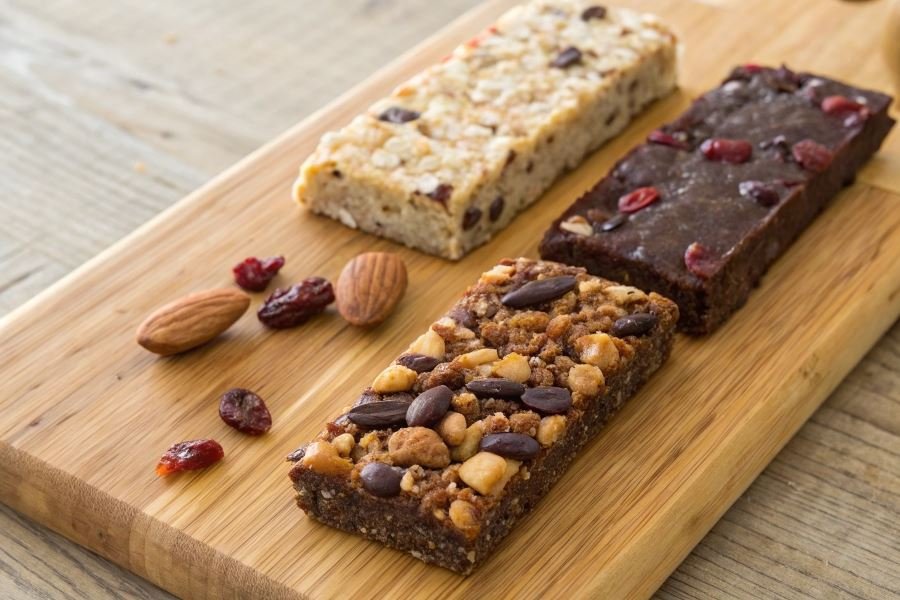
Ever bitten into a store-bought protein bar and wondered why it tastes like sweetened cardboard? You’re not alone. Athletes and fitness enthusiasts everywhere are discovering the game-changing difference of homemade protein bars – control over ingredients, superior nutrition, and flavors that actually make sense.
Crafting your own protein powerhouses isn’t just a hobby; it’s a nutritional revolution happening in kitchens across America. When you make protein bars at home, you’re eliminating the preservatives, excess sugars, and mysterious “natural flavors” that plague commercial options. A study from the Journal of Food Science found that typical store-bought bars contain up to 28 grams of added sugar – that’s more than many desserts!
The nutritional edge of homemade
The difference between homemade and commercial bars is striking. While store versions might boast “20g protein!” on colorful packaging, they often deliver that protein alongside palm oil, corn syrup, and artificial sweeteners. Your homemade version? Clean protein from sources like whey isolate, hemp seeds, or pea protein, combined with real food ingredients you can actually pronounce.
Your DIY protein bar toolkit
Getting started requires surprisingly little equipment:
- A food processor or high-powered blender
- Measuring cups and spoons
- A baking pan (8×8 works perfectly)
- Parchment paper
The ingredient foundation is equally straightforward:
- A protein base (powder, nut butter, or seeds)
- A binding agent (dates, honey, or maple syrup)
- Texture elements (oats, nuts, or seeds)
- Flavor boosters (cocoa, vanilla, cinnamon)
Balancing your macros
The true magic of homemade bars lies in customization. Need a higher protein-to-carb ratio for post-workout recovery? Simply adjust your protein powder amount. Preparing for an endurance event? Increase your complex carbohydrates with oats and dried fruits. The perfect macronutrient balance isn’t universal – it’s personal, and homemade bars let you dial in exactly what your body needs.
Top 3 Homemade Protein Bar Recipes for Different Dietary Needs
Forget store-bought protein bars with their mysterious ingredients and hefty price tags! Creating your own protein-packed fuel at home isn’t just economical—it’s a game-changer for your nutrition. Homemade protein bars: recipes and benefits go hand-in-hand, giving you complete control over what goes into your body while satisfying those mid-workout cravings or post-training hunger pangs.
Let’s dive into three knockout recipes designed for different dietary preferences that will revolutionize your snack game!
No-Bake Peanut Butter Chocolate Protein Bars
This classic combination delivers serious muscle-building power with minimal effort. Perfect for those high-intensity training days when you need substantial recovery fuel.
Ingredients:
- 1 cup natural peanut butter
- ⅓ cup honey or maple syrup
- 2 scoops (about 60g) whey protein powder
- 1 cup rolled oats
- 2 tbsp mini dark chocolate chips
- Pinch of sea salt
Instructions:
- Line an 8×8 inch pan with parchment paper
- Mix peanut butter and honey in a large bowl until smooth
- Fold in protein powder and oats until fully combined
- Press mixture firmly into prepared pan
- Sprinkle with chocolate chips and gently press them in
- Refrigerate for at least 2 hours before cutting into 8-10 bars
Pro tip: For extra protein punch, substitute half the oats with unflavored collagen peptides without changing the texture.
These bars pack approximately 15g protein per serving while providing moderate carbs for sustained energy release.
Vegan-Friendly Date and Nut Protein Bars
Plant-based athletes, rejoice! These nutrient-dense bars harness the power of natural ingredients without compromising on protein content.
Ingredients:
- 1 cup Medjool dates, pitted
- ½ cup raw almonds
- ½ cup raw cashews
- 2 scoops (about 60g) plant-based protein powder
- 2 tbsp chia seeds
- 1 tbsp coconut oil
- 1 tsp vanilla extract
- Pinch of cinnamon
Instructions:
- Process dates in food processor until they form a paste
- Add remaining ingredients and pulse until mixture sticks together
- Transfer to a parchment-lined 8×8 inch pan
- Press firmly and evenly
- Refrigerate for 1 hour before cutting into bars
- Store in airtight container for up to 10 days
Each bar delivers approximately 12g of complete plant protein with fiber-rich carbohydrates for sustained energy.
Low-Carb Coconut and Seed Protein Bars
Keto enthusiasts and low-carb followers will appreciate these fat-fueled, minimal-carb bars that keep you in ketosis while supporting recovery.
| Macronutrient | Amount per Bar | % of Total Calories |
|---|---|---|
| Protein | 10g | 25% |
| Fat | 13g | 70% |
| Net Carbs | 2g | 5% |
Ingredients:
- ½ cup coconut butter (not oil), melted
- ¼ cup almond butter
- 2 scoops unflavored or vanilla protein powder
- 3 tbsp ground flaxseed
- 2 tbsp pumpkin seeds
- 2 tbsp sunflower seeds
- 2 tbsp unsweetened shredded coconut
- 1 tbsp erythritol or monk fruit sweetener
- ½ tsp vanilla extract
Instructions:
- Mix melted coconut butter with almond butter
- Stir in protein powder and sweetener
- Fold in seeds and shredded coconut
- Press into a lined container
- Refrigerate until firm (about 3 hours)
- Cut into 8 bars
These keto-friendly bars provide steady energy without the insulin spike, making them perfect for endurance athletes transitioning to fat-adaptation.
Each of these recipes can be customized with your favorite flavors and add-ins while maintaining their nutritional profiles. By making your own protein bars, you’ll save money, eliminate artificial ingredients, and fuel your body exactly how it needs.
Maximizing Your Protein Bar Game
Perfect Timing Is Everything
Timing isn’t just important—it’s game-changing when it comes to homemade protein bars. The 45-minute window after intense training represents your body’s prime nutrient absorption phase. During this critical period, consuming a protein bar with a 3:1 carb-to-protein ratio can accelerate glycogen replenishment by up to 25% compared to protein alone.
For morning workouts, consider a lighter bar with fast-digesting proteins like whey isolate. Evening athletes benefit more from casein-based bars that provide a sustained release of amino acids throughout recovery periods.
Pre-workout consumption works best 60-90 minutes before training, giving your digestive system adequate time to process nutrients without causing discomfort during high-intensity intervals. The ideal pre-workout bar contains approximately 15-20g of protein and 30-40g of complex carbohydrates.
The difference between a good workout and a great one often comes down to strategic nutrition timing—not just what you eat, but when you eat it.
Many athletes underestimate the power of the mid-day protein bar. A strategically timed 3pm snack can prevent the notorious afternoon energy crash while maintaining muscle protein synthesis between meals.
Storage Strategies That Preserve Perfection
Homemade protein bars lack commercial preservatives—which is fantastic for your health but challenging for longevity. Room temperature storage typically limits shelf life to 3-5 days, while proper refrigeration extends this to 7-10 days with minimal texture degradation.
For maximum freshness retention, try these proven methods:
- Vacuum sealing individual bars can extend refrigerated shelf life to 14 days
- Flash freezing unwrapped bars before packaging prevents moisture crystallization
- Using parchment paper dividers between stacked bars prevents sticking and flavor transfer
The freezer becomes your secret weapon for long-term storage, with properly wrapped bars maintaining optimal nutritional profiles for up to 3 months. The key is using a double-barrier method: wrap individually in parchment, then seal in freezer-safe containers.
| Storage Method | Shelf Life | Texture Preservation | Convenience |
|---|---|---|---|
| Room Temperature | 3-5 days | Excellent | Highest |
| Refrigerated | 7-10 days | Very Good | High |
| Vacuum Sealed/Refrigerated | 14 days | Good | Medium |
| Frozen | 3 months | Good (after thawing) | Low |
Customization For Your Specific Needs
The true power of homemade protein bars lies in their adaptability. Athletes in different training phases require dramatically different macronutrient profiles. During bulking phases, increasing healthy fats through additions like MCT oil can boost caloric density without excessive volume.
For endurance athletes, incorporating fast-digesting carbohydrate sources like honey or Medjool dates alongside electrolyte-rich ingredients creates the perfect sustained energy source for long-duration activities.
Recovery-focused bars benefit from anti-inflammatory ingredients like tart cherry extract and turmeric, which can reduce exercise-induced muscle damage markers by up to 20% when consumed regularly.
Micronutrient customization represents the frontier of performance nutrition. Consider these strategic additions:
- Magnesium-rich cacao (raw, unprocessed) for improved muscle relaxation
- Zinc-containing pumpkin seeds for enhanced testosterone production
- Vitamin D-fortified ingredients for improved calcium absorption and bone health
The protein source itself dramatically impacts digestion speed and amino acid profile. Combining fast-absorbing whey with slower-digesting casein creates a time-released amino acid delivery system that maintains elevated muscle protein synthesis for up to 6 hours—nearly double the duration of single-source protein bars.
By strategically timing consumption, mastering storage techniques, and customizing ingredients to your specific training needs, homemade protein bars transform from simple snacks into powerful performance tools tailored precisely to your athletic demands.