
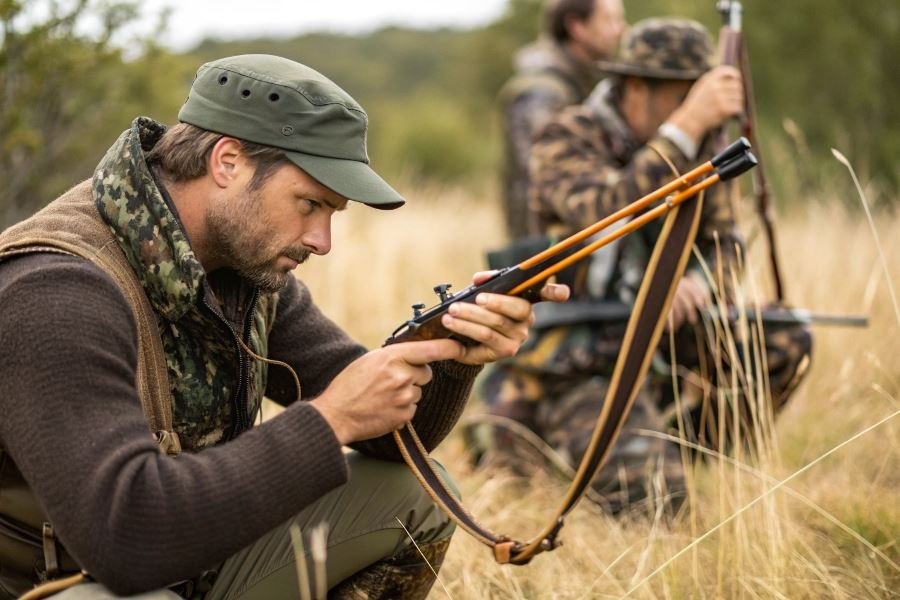
Ever stood in a hunting supply store, jaw dropping at price tags that could rival a car payment? You’re not alone. The path to becoming a skilled hunter doesn’t have to drain your bank account—especially when it comes to lures.
The truth about budget lures might surprise you: many seasoned hunters keep inexpensive options in their gear bags alongside premium alternatives. Why? Because effectiveness often has little to do with price point. The deer don’t check price tags before being attracted to your setup.
When selecting budget-friendly lures, focus on these three critical factors:
- Material durability – Even $10 lures can last multiple seasons with proper care
- Scent retention – Some affordable options hold attractants remarkably well
- Versatility – Multi-purpose lures give beginners more bang for their buck
“The best lure is the one that gets you outdoors consistently. Start simple, learn the fundamentals, and upgrade selectively as your skills develop.”
Setting realistic expectations is crucial. Will a $15 lure perform identically to its $50 counterpart? Probably not. But will it help you develop essential skills and potentially land your first successful hunt? Absolutely.
Remember that hunting success depends far more on your fieldcraft, patience, and understanding of animal behavior than on having the most expensive gear in the woods. Start with affordable basics, master them thoroughly, and let your skills—not your wallet—drive your hunting journey.
Budget Lures That Deliver Big Results
Woodland Wonders Under $20
The dense canopy of woodland environments demands lures that can navigate tight spaces while still attracting game. For beginners looking to hunt deer, turkey, or small game without emptying their wallets, several options stand out. The Primos The Original Can deer call ($15-18) mimics the bleat of a doe with remarkable accuracy, making it a staple for autumn hunts. Its simple design means less chance of user error—perfect for those just starting out.
Another woodland essential is the Hunter’s Specialties Strut-Lite Push Button Turkey Call ($12-15), which produces consistent yelps and purrs without requiring advanced calling techniques. Budget lures for beginner hunters don’t need to sacrifice effectiveness for affordability, as these proven options demonstrate. They’re designed specifically to work in the acoustics of wooded areas, where sound doesn’t travel as far but needs to be precise.
The Wildgame Innovations Acorn Rage attractant ($10) rounds out the woodland trio, creating a scent perimeter that deer find irresistible during early season hunts. Apply it sparingly—a little goes a surprisingly long way.
Waterfowl Winners Without Breaking the Bank
Water hunting presents unique challenges, but effective lures don’t have to drain your savings. The Flambeau Outdoors Standard Mallard Decoys 6-pack ($30) offers remarkable value with realistic paint schemes that hold up even in harsh conditions. These decoys feature weighted keels that self-right in choppy water—a feature typically found only in premium options.
Duck calls represent the best value in waterfowl hunting. The Duck Commander Triple Threat ($25) produces mallard, wood duck, and teal sounds from a single call. Its polymer construction withstands the inevitable dunking that happens during water hunts.
For those hunting flooded timber or marshes, the Mojo Outdoors Clip-On Teal ($40) creates rippling water movement that draws in curious ducks. While slightly pricier than static lures, its battery-operated wings create motion that static decoys simply can’t match, dramatically increasing effectiveness per dollar spent.
Field and Open Terrain Essentials
Open landscapes require lures that work across greater distances. The Primos Hunting Jackrabbit predator call ($18) produces distress sounds that carry across fields and draws in coyotes, foxes and other predators from surprising distances. Its simple reed design means beginners can create convincing sounds with minimal practice.
For deer hunters working agricultural edges, the Evolved Habitats Buck Grub attractant ($15) leverages deer’s natural attraction to protein-rich food sources. A 5-pound bag treats multiple sites throughout the season.
The most versatile field hunting tool might be the Quaker Boy Cyclone grunt call ($22). It produces both aggressive buck grunts and softer doe bleats, allowing hunters to adapt to different scenarios without carrying multiple calls. Its volume control makes it effective from 20 to 200 yards—perfect for open terrain where game might approach from any direction.
Each environment demands specific lure characteristics, but the good news is that effectiveness doesn’t correlate directly with price. These budget-friendly options have proven track records and represent the sweet spot where affordability meets performance—exactly what beginning hunters need to build confidence and skills without unnecessary financial pressure.
Stretching Your Dollar with Budget Hunting Lures
Let’s face it—hunting gear can drain your wallet faster than a trophy buck can disappear into thick brush. But here’s the good news: those affordable lures in your tackle box can perform like premium options with the right approach. I’ve spent countless dawns watching budget setups outperform fancy rigs when handled with skill and knowledge.
Maintenance Magic for Budget Lures
Budget lures aren’t disposable—they’re investments waiting for proper care. After each hunting trip, rinse your lures with fresh water to remove dirt, salt, and debris that accelerate corrosion. This simple five-minute ritual can triple a lure’s lifespan.
Hook maintenance is non-negotiable. Even affordable Rapala or Rebel lures deserve sharp hooks. A $5 hook file might be your most cost-effective purchase this season. Replace rusty treble hooks rather than struggling with dull points—a $2 replacement hook beats a $15 new lure any day.
Store your budget treasures properly! Soft plastic lures should never touch each other directly:
The plasticizers in budget soft baits can create a chemical reaction when stored together, turning your organized tackle box into a melted, unusable mess overnight.
Use compartmentalized boxes or zip-lock bags to separate different lure types. For hard baits, consider these storage stats:
| Storage Method | Average Lifespan Extension | Cost |
|---|---|---|
| Original packaging | +30% | Free |
| Tackle box with dividers | +75% | $15-30 |
| Individual hook protectors | +100% | $10 |
Techniques That Transform Budget Performance
The secret weapon of successful hunters isn’t always the lure—it’s the presentation. Master the “stop-and-go” retrieve with budget crankbaits to trigger reaction strikes. This technique creates the illusion of injured prey, making even a $3.99 lure irresistible.
Color modification works wonders. Add a splash of bright nail polish to lure bellies or use permanent markers to create custom patterns. These five-minute modifications can dramatically increase strike rates during changing light conditions.
Match your retrieval speed to water temperature. Budget lures often lack the fine-tuned action of premium options, but slowing your retrieve in cold conditions gives affordable lures time to display their full action profile.
Recognizing the Upgrade Moment
Budget lures have limitations worth acknowledging. When you consistently lose fish after hooksets, it’s time to upgrade your treble hooks—not necessarily the entire lure. Quality Gamakatsu or Owner hooks on budget lures create hybrid performers that punch above their weight class.
Consider upgrading when:
- You’re consistently targeting trophy-sized game
- Fishing in heavy cover where durability becomes crucial
- Specialized techniques require specific action profiles
The most telling sign? When you’ve mastered presentation techniques but still aren’t getting the results you want. At that point, the limitation is likely the equipment, not your skill.
Remember that budget doesn’t mean ineffective—it means strategic. With proper care, smart modifications, and technique refinement, those affordable lures might just become your secret weapons rather than your starter kit.