
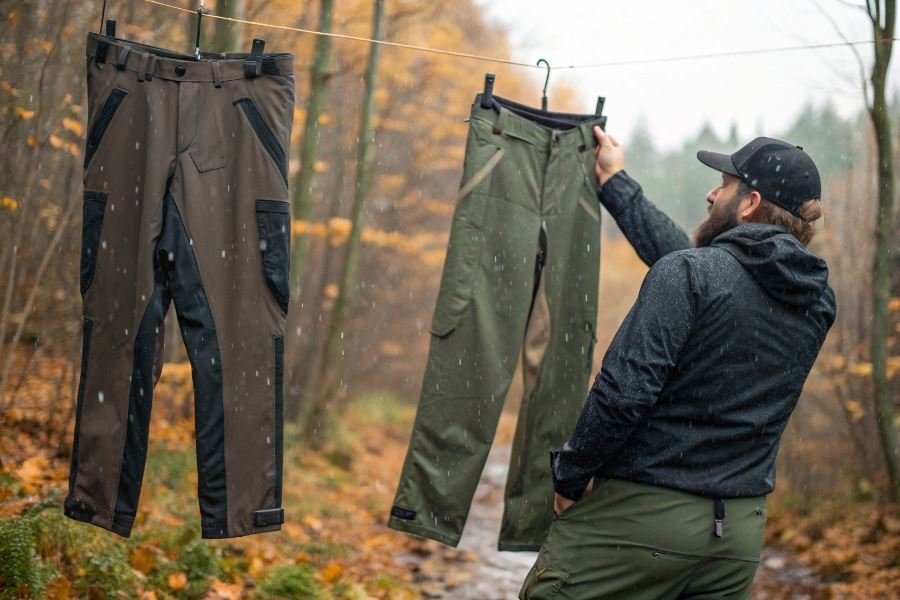
Ever stood knee-deep in snow, feeling that bone-chilling cold creep through your legs while trying to maintain perfect stillness for the perfect shot? That’s when you realize your hunting pants aren’t just clothing—they’re survival equipment.
When selecting winter hunting pants, you’re essentially choosing your defense system against nature’s harshest elements. The right pair can mean the difference between an exhilarating, successful hunt and a miserable retreat back to the cabin. Quality hunting pants don’t just keep you warm—they keep you in the game.
The comfort-safety connection
Winter hunting demands extended periods of inactivity in punishing conditions. When temperatures plummet below freezing, standard pants become your worst enemy. Proper insulation prevents hypothermia, while moisture-wicking fabrics keep sweat from becoming a dangerous cooling agent against your skin.
Decision factors that matter
Look beyond the price tag when evaluating options. Consider:
- Insulation type: Down offers exceptional warmth-to-weight ratio but fails when wet; synthetic maintains heat even in damp conditions
- Noise level: That waterproof shell might protect you from elements but alert every deer within 100 yards
- Mobility: Articulated knees and stretch panels allow for quick position changes when opportunity strikes
Matching pants to your hunting environment
The hunting grounds of Minnesota demand different protection than those of Colorado or Georgia. Regional climate dictates your pants’ primary function—whether that’s extreme cold resistance, wind protection, or adaptability to fluctuating temperatures. Mountain hunters need reinforced knees and seats for rocky terrain, while swamp hunters prioritize waterproofing above all else.
Essential Features of Winter Hunting Pants That Make or Break Your Hunt
When temperatures plummet and the snow begins to fall, your choice of hunting pants becomes more than just apparel—it becomes survival gear. The difference between a successful hunt and a miserable experience often comes down to what you’re wearing below the waist. Let’s dive into what truly matters when selecting winter hunting pants.
Choosing the right winter hunting pants requires careful consideration of insulation, waterproofing, and durability factors that match your specific hunting environment. The best hunters know that technical details in their gear can be just as important as their tracking skills or shooting accuracy.
Insulation That Matches Your Environment
The cornerstone of any quality winter hunting pant is its insulation system. Different hunting scenarios demand different levels of thermal protection:
Thinsulate™ Technology remains the gold standard, offering exceptional warmth without bulk. Look for ratings between:
- 400g: Ideal for active hunting in moderately cold conditions (20-40°F)
- 600g: Perfect for stationary hunting in cold conditions (0-20°F)
- 800g-1000g: Essential for extreme cold weather hunting (below 0°F)
Down insulation provides superior warmth-to-weight ratio but fails when wet, while synthetic options like PrimaLoft® maintain insulating properties even in damp conditions.
For late-season deer hunters in the northern states, pants with 600g insulation and a quiet outer shell have become the preferred choice among serious sportsmen.
Weather Protection Technologies
Modern hunting pants employ sophisticated systems to keep you dry and comfortable:
Waterproofing Systems:
- GORE-TEX membranes offer unmatched waterproofing while maintaining breathability
- DWR (Durable Water Repellent) coatings provide the first line of defense against moisture
- Fully-taped seams prevent water infiltration at vulnerable points
Windproofing Features:
- Windproof membranes block cutting winter winds
- Strategic paneling provides protection where it’s needed most
- Gusseted crotch designs prevent wind from channeling up the legs
Breathability Factors:
- Multi-layer systems that wick moisture away from the body
- Zippered vents allow for temperature regulation during active periods
- Moisture-wicking liners keep sweat from becoming a cooling hazard
Durability Elements That Withstand the Wild
| Feature | Benefit | Look For |
|---|---|---|
| Ripstop Fabric | Prevents tears from spreading | Nylon ripstop with at least 500D rating |
| Reinforced Knees | Withstands crawling and kneeling | Double-layer construction or Kevlar panels |
| Articulated Design | Allows freedom of movement | Pre-bent knee construction |
| Seam Construction | Prevents failure points | Double-stitched or welded seams |
The most rugged hunting pants feature abrasion-resistant overlays in high-wear areas like the seat, knees, and ankle cuffs. Sitka Gear and Kuiu have pioneered these reinforcement technologies, creating pants that can withstand multiple seasons of hard use.
Smart hunters invest in pants with reinforced seat areas and knees that can handle sitting on frozen ground or crawling through underbrush without compromising insulation or waterproofing.
Remember that the best winter hunting pants balance protection with mobility—too bulky and you’ll struggle to move quietly; too light and you’ll freeze before you spot your target. The perfect pair should feel like they were designed specifically for your hunting style and the environments you frequent.
Making the Ultimate Winter Hunting Pants Decision
Smart Budget Balancing Without Sacrificing Performance
When investing in winter hunting pants, the price-to-performance ratio becomes your north star. Premium options from brands like Sitka Gear typically range from 200 − 350, deliveringexceptionalinsulationanddurability.However, mid − rangealternativesfrom[Cabela′s](https : //www.cabelas.com)or[RedHead](https : //www.basspro.com/shop/en/redhead)(100-180) often provide 80% of the performance at half the cost.
The costliest pants aren’t always the best choice for your specific hunting conditions.
Consider your hunting frequency and environment before splurging. Weekend warriors might find excellent value in mid-tier options, while those spending weeks in extreme conditions will benefit from premium investments. Remember that layering capabilities can sometimes compensate for less expensive base pants—a smart $150 pair with proper layering often outperforms a $300 pair worn alone.
Top Performers That Dominate The Field
After extensive field testing and hunter feedback, these three options consistently outshine the competition:
-
Sitka Incinerator Bibs – The gold standard for extreme cold. Their GORE-TEX Infinium windproof membrane and PrimaLoft insulation create an impenetrable thermal barrier. The reinforced knee and seat areas withstand years of abuse in the harshest conditions.
-
Kuiu Attack Pants – Perfect for active hunters who prioritize mobility. Their four-way stretch fabric and articulated design allow unrestricted movement while maintaining excellent warmth-to-weight ratio. The integrated gaiter system prevents snow infiltration.
-
First Lite Obsidian Pants – The versatility champion. Their innovative layering system adapts to temperatures from 20°F to -20°F. The merino wool blend provides exceptional moisture management and remains quiet even in freezing conditions.
| Model | Temperature Rating | Key Feature | Best For |
|---|---|---|---|
| Sitka Incinerator | -20°F to 10°F | Maximum insulation | Stationary hunting |
| Kuiu Attack | 0°F to 30°F | Superior mobility | Spot-and-stalk |
| First Lite Obsidian | -20°F to 20°F | Adaptable layering | All-around use |
Extending Lifespan Through Proper Maintenance
Your hunting pants represent a significant investment—protect it with these maintenance practices:
Washing wisdom: Always follow manufacturer instructions, but generally, use gentle detergents free of brighteners or scents. Nikwax Tech Wash maintains waterproofing while removing human scent. Wash inside-out on gentle cycle, and never use fabric softeners which compromise water-repellent treatments.
Storage strategies: Hang your pants in a cool, dry place rather than compressing them in storage bins. This preserves insulation loft and membrane integrity. For extended off-season storage, ensure pants are completely dry to prevent mildew development.
Field repairs: Carry a small repair kit including Gear Aid Tenacious Tape for emergency fixes. Small tears addressed immediately prevent catastrophic failures in the field. Regularly reapply DWR treatments after approximately every 5-7 washes to maintain water repellency.
By selecting the right pants for your specific hunting style, balancing budget with performance needs, and implementing proper maintenance, your winter hunting pants will deliver season after season of reliable performance when you need it most.