
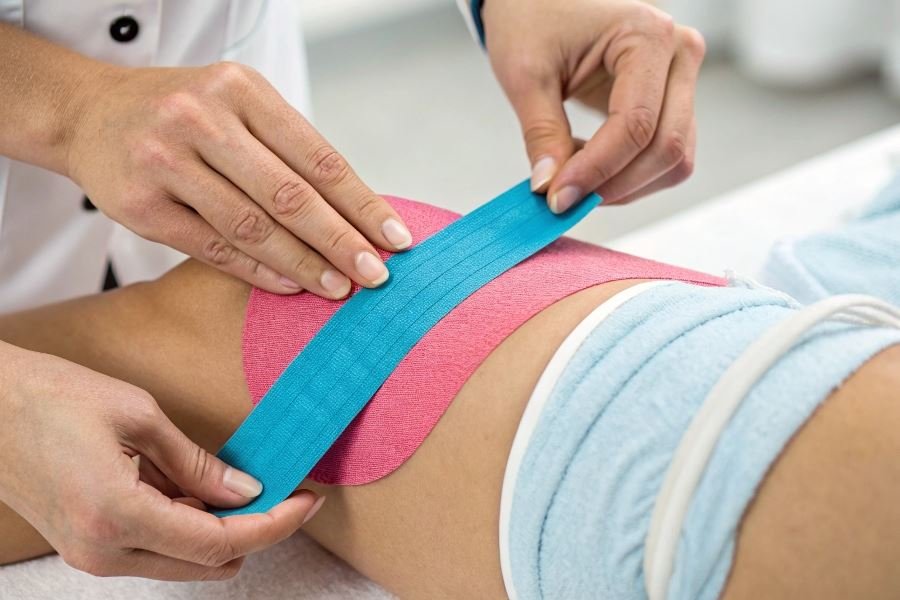
Ever watched an Olympic athlete with colorful strips adorning their shoulders or a marathon runner with strategic tape patterns across their calves? Those aren’t just fashion statements—they’re performance tools with decades of science behind them.
Sports tapes have transformed from simple medical necessities into sophisticated athletic equipment. While both medical and athletic tapes share the same ancestry, they’ve evolved into distinctly different products serving unique purposes. Medical tapes primarily stabilize injuries and protect wounds, while athletic tapes enhance performance, prevent injuries, and support recovery.
“The right tape can be the difference between finishing a race or sitting on the sidelines.” — Sports Medicine Journal
The journey of sports tapes began in the 1970s when traditional white medical tape dominated locker rooms. By the 1980s, athletic trainers started experimenting with specialized applications, leading to the birth of kinesiology tape in Japan. This revolutionary elastic tape mimicked skin’s natural elasticity while providing support without restricting movement.
The market has exploded since then. What was once a $500 million industry has transformed into a multi-billion dollar global phenomenon. Modern athletic tapes now feature advanced adhesives, breathable materials, and even smart technology that monitors muscle activity during performance.
From rigid strapping tapes that immobilize joints to flexible kinesiology tapes that facilitate movement while supporting muscles, today’s athletes have an arsenal of specialized options designed for their specific needs, sports, and recovery goals.
The Ultimate Tape Showdown: Medical vs Athletic
When you’re pushing your body to its limits, the right support can make all the difference between victory and injury. The world of sports taping has evolved dramatically, creating specialized solutions for every need. Let’s dive into what makes these sticky supporters tick and how to choose the perfect tape for your situation.
Material Matters
Athletic and medical tapes might look similar at first glance, but their composition tells a different story. Medical tapes typically feature hypoallergenic materials like zinc oxide, rayon, or cotton with gentle adhesives designed for sensitive skin. They prioritize breathability and minimal skin irritation during extended wear.
The differences between medical and athletic sports tapes become most apparent when examining their structural properties. Athletic tapes pack more punch with reinforced cotton or synthetic blends featuring industrial-strength adhesives. Brands like KT Tape use elasticized cotton with acrylic adhesive, while Mueller offers rigid cotton tapes with zinc oxide adhesive that creates a fortress around vulnerable joints.
| Tape Type | Primary Materials | Adhesive Type | Skin Sensitivity |
|---|---|---|---|
| Medical | Cotton, Rayon, Silk | Gentle, Hypoallergenic | High |
| Athletic | Cotton, Synthetic Blends, Elastic | Strong, Water-resistant | Moderate |
Purpose and Application
Medical tapes serve primarily as anchors for bandages, wound dressings, and light compression. They’re applied with minimal tension in straight strips, prioritizing comfort over structural support.
Athletic tapes, however, are performance tools. They’re applied using specific patterns—figure eights for ankles, fan techniques for shoulders—often with significant tension to create biomechanical support. Kinesiology tapes like Rocktape even claim to lift skin microscopically to improve circulation and reduce inflammation when applied along muscle pathways.
Flexibility and Durability
Medical tapes offer moderate flexibility but typically break down within hours of vigorous activity. They’re designed for controlled environments, not the battlefield of competitive sports.
Athletic tapes present a spectrum of flexibility options:
- Rigid athletic tapes provide maximum stability with minimal movement
- Elastic kinesiology tapes stretch up to 140% of their resting length
Water resistance varies dramatically too. Standard medical tapes surrender to the first drop of sweat, while premium athletic tapes from manufacturers like Leukotape maintain adhesion through multiple training sessions, showers, and even swimming.
The Cost Equation
Medical tapes typically range from 3−7 per roll, offering economical solutions for basic needs. Athletic tapes command premium prices between 8−25 per roll, with specialized kinesiology tapes at the higher end.
The true cost-effectiveness isn’t in the price per roll but in performance longevity. A $20 roll of quality athletic tape that lasts through five intense training sessions delivers more value than three $5 rolls that fail mid-workout.
When calculating value, consider application frequency, activity intensity, and replacement needs. Weekend warriors might find mid-range options sufficient, while competitive athletes often justify premium products that deliver when every second counts.
The right tape choice ultimately depends on your specific needs—medical tapes for gentle, short-term wear; athletic tapes when performance and durability can’t be compromised.
Making the Right Choice: Medical vs Athletic Tape
When it comes to supporting your body during physical activity, choosing the right tape can make all the difference between a performance boost and a painful setback. Let’s dive into the specifics of selecting, applying, and purchasing sports tapes that will serve your unique needs.
When to choose which tape type
The decision between medical and athletic tape should be guided by your specific situation:
For injury recovery: Medical tape provides the structured support needed when healing from sprains, strains, or post-surgical recovery. Its rigid nature limits harmful movement while allowing therapeutic motion.
For preventative support: Athletic tape shines when you’re looking to prevent injuries during high-intensity activities. The elasticity allows natural movement while providing that crucial reinforcement for vulnerable joints.
For sensitive skin: If you’ve experienced skin irritation with traditional athletic tapes, medical zinc oxide tapes with hypoallergenic adhesives might be your solution.
For water exposure: Waterproof athletic tapes are essential for swimmers, triathletes, or any activity where perspiration is heavy. Standard medical tapes typically fail when wet.
Pro tip: For chronic conditions like plantar fasciitis or tennis elbow, a combination approach often works best—medical tape for overnight support and athletic tape during activity.
Application and removal best practices
Proper application techniques ensure you get maximum benefit with minimum skin irritation:
-
Prep the area: Clean and dry the skin completely. For hairy areas, consider a light trim (not shaving) to improve adhesion.
-
Use pre-wrap: For sensitive skin or longer-term applications, apply a thin layer of pre-wrap or underwrap before the tape.
-
Apply without tension: Place the initial anchor strips without stretching the tape, then apply appropriate tension for subsequent strips.
-
Avoid circulation restriction: Never wrap so tightly that you feel tingling, numbness, or see discoloration.
-
Remove with care: Use specialized tape removal solutions or olive oil to dissolve adhesive. Pull tape parallel to skin, never upward.
Athletic tape application: Apply with the joint in the position you want to support, usually a neutral or slightly protected position.
Medical tape application: Often requires specific patterns depending on the injury—consult with a physical therapist for injury-specific techniques.
Top considerations when purchasing sports tape
When selecting tape for specific activities, prioritize these factors:
-
Activity demands: High-impact sports require stronger adhesives and durability, while activities requiring fine motor skills need thinner, more flexible options.
-
Duration of wear: For single-game use, standard athletic tape works well. For multi-day support, look for medical tapes with gentler adhesives designed for extended wear.
-
Environmental conditions: Hot, humid conditions demand waterproof options with superior adhesion properties. Cold weather activities require tapes that maintain flexibility at lower temperatures.
| Activity Type | Recommended Tape | Key Feature |
|---|---|---|
| Running/Track | Elastic athletic tape | Flexibility with movement |
| Contact sports | Rigid athletic tape | Maximum joint stabilization |
| Water sports | Waterproof kinesiology tape | Water resistance |
| Recovery/Sleep | Zinc oxide medical tape | Gentle, long-term wear |
Remember that quality matters—bargain tapes often fail during critical moments and can cause more skin irritation than premium options. The few extra dollars spent on professional-grade tape from established brands like KT Tape or Mueller can make all the difference in performance and comfort.
Your body’s needs change based on activity level, injury status, and even weather conditions—so maintain a small variety of tape options in your athletic bag to ensure you’re always prepared for whatever your active lifestyle demands.