
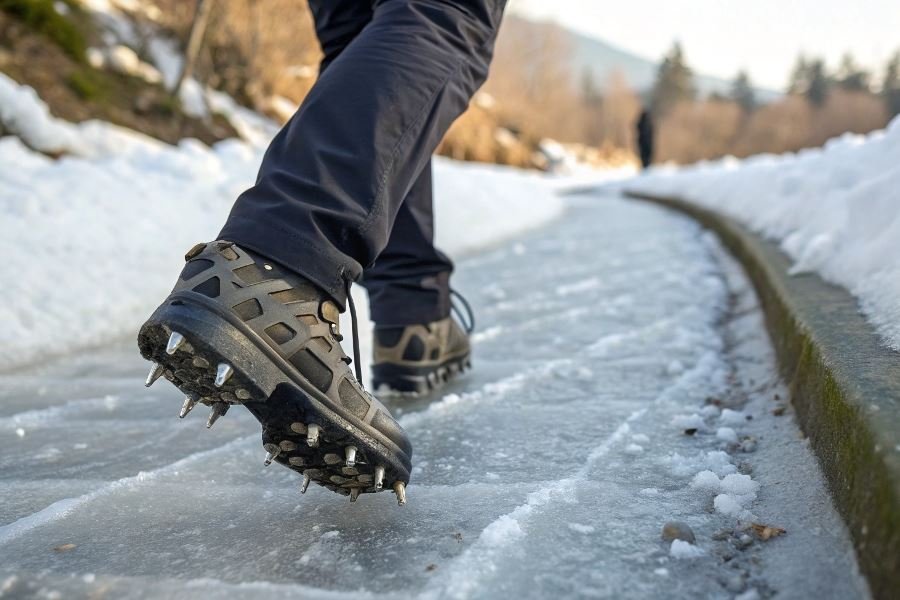
Ever watched a climber slip on ice because their crampons failed at a critical moment? It’s not just terrifying—it’s preventable. Those metal teeth strapped to your boots aren’t just expensive accessories; they’re your lifeline on frozen terrain.
Proper crampon maintenance isn’t just about protecting your investment (though at $150-300 per pair, that’s certainly motivation enough). It’s about ensuring these critical tools perform flawlessly when your safety depends on it. The difference between well-maintained crampons and neglected ones can literally be the difference between a successful summit and a dangerous fall.
Materials matter tremendously when it comes to crampon care. Stainless steel models resist corrosion naturally but still require attention to pivot points and straps. Chromoly steel offers exceptional strength but demands vigilant rust prevention. Aluminum crampons, prized for their ultralight properties, need special care to prevent bending and structural fatigue.
“The most dangerous crampon is the one you haven’t maintained since last season.” – Veteran alpine guide
Your crampons’ performance degrades subtly with each neglected cleaning. Those dulled points won’t bite as effectively into ice. Loose fasteners create instability precisely when you need confidence. Corroded joints can fail catastrophically. The truth is simple: meticulous maintenance directly translates to climbing performance and safety margins.
The good news? Proper crampon care doesn’t require specialized knowledge—just consistent attention and the right techniques, which we’ll explore next.
Essential Care Techniques for Climbing Crampons
When your crampons bite into that first patch of ice on a climb, they’re your lifeline. But what happens after the adventure ends? Proper maintenance isn’t just about extending equipment life—it’s about safety on your next vertical journey. The difference between well-maintained crampons and neglected ones can literally be the difference between a secure hold and a dangerous slip.
Proper care and storage of climbing crampons: extending their lifespan requires consistent attention to detail after every outing. Those razor-sharp points that carried you up frozen waterfalls deserve more than being tossed into a gear closet until next season. Let’s dive into the essential techniques that will keep your crampons performing at their peak for years to come.
Post-climb cleaning rituals
After a day on the mountain, your crampons have collected more than just memories. Ice, snow, dirt, and sometimes even small rocks can lodge between the points and platform. Here’s your post-adventure checklist:
- Rinse thoroughly with lukewarm water as soon as possible
- Remove all bindings if detachable to clean underneath
- Use a soft brush (an old toothbrush works perfectly) to remove stubborn debris
- Dry completely before storage—never skip this step!
Air drying is good, but hand drying with a clean cloth first removes excess moisture that could lead to corrosion.
Battling the rust monster
Rust is the silent enemy of all metal climbing gear. Even stainless steel and chromoly crampons aren’t completely immune, especially after exposure to salt (ocean climbs) or chemical contaminants.
| Crampon Material | Rust Vulnerability | Recommended Treatment |
|---|---|---|
| Stainless Steel | Low to Moderate | Light oil application |
| Chromoly Steel | Moderate | Regular oil treatment |
| Carbon Steel | High | Thorough oiling after each use |
For rust prevention, apply a thin layer of protective oil like WD-40 or specialized climbing gear oil to all metal parts after cleaning and drying. If you spot early signs of rust, don’t panic—a light brushing with steel wool followed by oil application can often reverse the damage.
Keeping the edge
Dull crampons are dangerous crampons. The frequency of sharpening depends on your usage intensity and the surfaces you climb, but there are telltale signs when it’s time:
When to sharpen:
- Points no longer easily penetrate ice during testing
- Visible rounding of previously sharp edges
- Decreased performance on technical terrain
Sharpening technique basics:
- Use a fine metal file (100-200 grit)
- Maintain the original angle of the points
- File in one direction only—away from the body
- Focus on the inside edge and bottom of front points for vertical ice
- Test sharpness carefully with your thumb (with extreme caution!)
For technical mixed climbing, keep front points slightly duller than for pure ice to prevent “skittering” on rock. Most recreational climbers should sharpen their crampons 1-2 times per season, while guides and frequent climbers might need monthly maintenance.
Remember that over-sharpening can weaken the metal structure over time. The goal is to restore the edge, not create a needle-point that will quickly dull or potentially break under pressure.
With these care techniques, your crampons will remain reliable partners for countless vertical adventures—ready when you are for that next frozen challenge.
Crampon Storage Mastery for Maximum Lifespan
When you’ve conquered that ice wall or navigated a treacherous glacier, your crampons deserve better than being tossed in the garage until next season. Proper storage isn’t just about organization—it’s about preserving your investment and ensuring your safety on future climbs.
The perfect environment for dormant spikes
Your crampons face harsh conditions on the mountain, but ironically, your home can be just as damaging if stored improperly. The ideal storage environment maintains a delicate balance:
-
Temperature: Keep crampons in a cool, stable environment between 40-70°F (4-21°C). Extreme heat can compromise metal integrity while freezing-thawing cycles accelerate corrosion.
-
Humidity: This is the silent killer of climbing gear. Aim for relative humidity below 60%. Higher levels create the perfect breeding ground for rust, even on stainless steel models from premium manufacturers like Petzl or Black Diamond.
-
Location: Store crampons away from chemicals, salt, and other corrosive substances. That means not in your garage near road salt or car fluids, and definitely not in the same bin as your sweaty climbing boots!
The difference between crampons that last 5 years versus 15+ years often comes down to where they spend their off-season months.
Storage tools that protect your investment
The right storage solution protects your gear and simplifies your pre-climb prep:
| Storage Option | Best For | Key Benefits |
|---|---|---|
| Hard Cases | Technical crampons | Maximum protection, prevents bending |
| Fabric Bags | Aluminum models | Breathability, moisture control |
| Anti-corrosion Pouches | All types | Active rust prevention |
Grivel and CAMP offer purpose-built crampon cases that include moisture-wicking materials and reinforced sections to maintain point alignment. These specialized cases typically cost $20-40 but extend gear lifespan dramatically.
For budget-conscious climbers, a dedicated cloth bag with silica gel packets works remarkably well. Just ensure the fabric is breathable cotton rather than synthetic materials that can trap moisture.
The pre-storage ritual that saves you money
Before your crampons hibernate until the next ice climbing season, this maintenance checklist ensures they’ll be ready when you are:
-
Clean thoroughly: Remove all dirt, vegetation, and especially salt deposits using warm water and a soft brush. Never use harsh detergents that might compromise metal treatments.
-
Dry completely: Air dry for 24 hours minimum in a well-ventilated area. Accelerating this process with heat sources risks compromising tempered metals.
-
Inspect for damage: Check for bent points, loose screws, or strap damage. Address minor issues before storage—they only worsen with time.
-
Apply light protection: A thin coat of specialized metal protectant like Ballistol creates a microscopic barrier against oxidation without attracting dust or gumming up adjustment mechanisms.
-
Loosen bindings: Reduce tension on springs and straps to preserve elasticity and prevent stress fractures.
The extra 15 minutes this process takes pays dividends in gear longevity. When technical crampons can cost upwards of $200, proper storage becomes less about gear obsession and more about smart economics.