
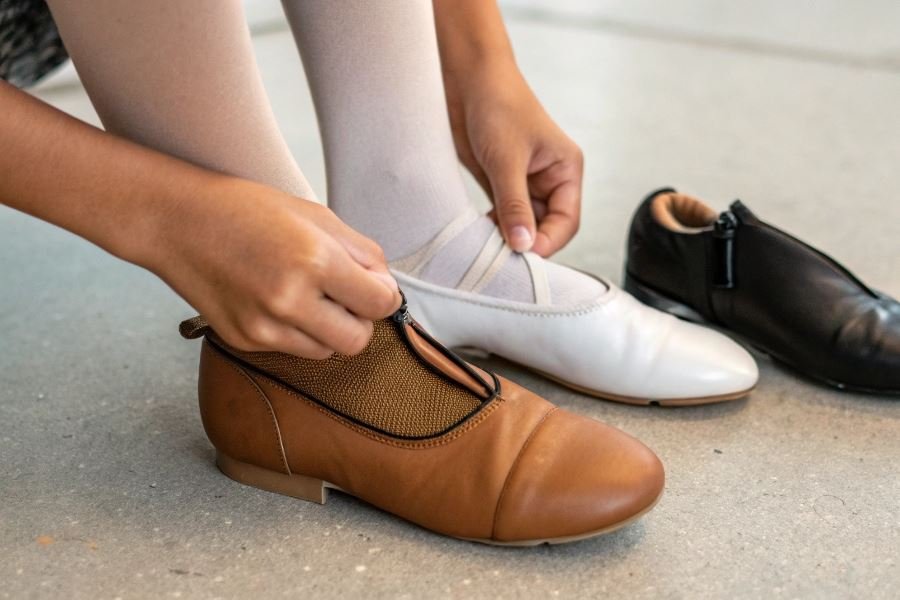
Ever watched a young dancer light up the stage with perfect footwork, only to discover their secret weapon was the right pair of shoes? The journey to dance excellence begins from the ground up, and selecting the proper jazz shoes for your child isn’t just about comfort—it’s about unlocking their full potential.
When it comes to choosing jazz shoes for a child, parents often find themselves in unfamiliar territory. The right footwear can dramatically influence technique development, prevent injuries, and boost confidence during those crucial formative years. Unlike regular sneakers or even other dance shoes, jazz shoes are specifically engineered to support the unique movements of jazz dance—quick directional changes, slides, and those signature jazz walks.
What sets jazz shoes apart? While ballet slippers prioritize pointed movements and tap shoes are built for percussion, jazz shoes strike a delicate balance between flexibility and support. They typically feature a split sole design that allows for articulation of the foot, a secure closure system to prevent slippage, and just enough traction to permit controlled slides without catching on the floor.
The foundation of dance development
The relationship between proper footwear and dance progression cannot be overstated. Children wearing ill-fitting or inappropriate shoes may develop compensatory movements that become difficult habits to break later. Professional dance instructors consistently emphasize that proper jazz shoes can help young dancers:
- Master technical elements more quickly
- Develop correct muscle memory from the start
- Dance with greater confidence and expression
- Avoid unnecessary strain on growing feet and ankles
Finding that perfect pair means understanding not just size, but the unique needs of your child’s developing dance journey.
Essential Criteria for Jazz Shoes That Grow With Your Child
When your young dancer takes those first rhythmic steps across the studio floor, having the right footwear becomes crucial to their development and enjoyment. The perfect jazz shoe does more than just protect—it enhances performance while supporting proper technique. Understanding how to choose jazz shoes for a child requires focusing on three main criteria that experienced dance instructors consistently emphasize: proper sizing for growing feet, quality materials that withstand intense practice, and sole construction that balances flexibility with support.
Finding the Perfect Fit for Growing Feet
The cornerstone of appropriate dance footwear starts with sizing—but this isn’t as straightforward as regular shoe shopping. Jazz shoes should fit like a second skin: snug without pinching, with approximately a quarter-inch of space at the toe. Unlike street shoes, most quality jazz shoes from brands like Bloch or Capezio typically run 1-1.5 sizes smaller than standard footwear.
Measurement tip: Have your child stand on a piece of paper with their weight distributed evenly, trace around both feet, and measure the longest point. Do this in the afternoon when feet are naturally at their largest.
Growing feet present a unique challenge—buy too large and technique suffers; too small and you’ll replace them within weeks. Most dance educators recommend:
- Leather shoes: Allow minimal growing room (1/4 inch maximum)
- Canvas/textile options: Can accommodate slightly more growth (up to 1/2 inch)
Never purchase jazz shoes with significant “room to grow” as this compromises technique development and increases injury risk.
Material Matters: Durability Meets Performance
The material of jazz shoes directly impacts both longevity and performance quality. For children who are serious about dance, investing in higher-quality materials pays dividends in both comfort and durability.
| Material | Pros | Cons | Best For |
|---|---|---|---|
| Leather | Molds to foot, excellent durability, superior support | Higher cost, requires break-in period | Frequent dancers, competitions |
| Canvas | Lightweight, breathable, flexible from first wear | Wears out faster, less support | Beginners, summer programs |
| Synthetic leather | Water-resistant, easy to clean, moderate durability | Less breathable, doesn’t stretch naturally | Recreational dancers |
Durability factors: Examine reinforced stitching at stress points—particularly where the upper meets the sole and around the heel counter. Quality jazz shoes feature double-stitching in these critical areas.
For children who dance multiple times weekly, genuine leather provides the best value despite the higher initial investment. The natural material breathes, conforms to the foot’s shape, and typically outlasts synthetic alternatives by months or even years of regular use.
Sole Construction: The Foundation of Technique
The sole of a jazz shoe represents perhaps the most technical aspect of the footwear. It must simultaneously provide traction, allow for articulation of the foot, and offer enough protection from hard surfaces.
Split-sole vs. Full-sole: This fundamental choice affects how your child experiences the floor.
- Split-soles separate the heel and ball sections, allowing maximum foot articulation and pointing. They’re ideal for intermediate dancers focusing on technique development.
- Full-soles provide more support and protection, making them better suited for beginners or dancers performing on rougher surfaces.
The rubber patch covering the ball of the foot should be substantial enough to prevent premature wear but thin enough to maintain floor sensitivity. Premium jazz shoes feature suede soles with strategic rubber reinforcement—providing the perfect balance between grip and slide that developing dancers need.
Remember that flexibility requirements change as skills advance. What works for a first-year dancer may restrict a more experienced performer. Reassess sole needs as your child progresses through their dance journey.
Making the Perfect Jazz Shoe Choice for Your Young Dancer
Finding the right jazz shoes for your child isn’t just about buying footwear—it’s about supporting their artistic journey while protecting their developing feet. Let’s cut through the confusion and make this decision with confidence.
Quality, Comfort, and Budget in Perfect Harmony
The dance parent’s eternal triangle: quality construction, proper fit, and reasonable price. While premium options like Bloch jazz shoes might start at $45, they often outlast two pairs of budget alternatives. The math becomes clear when you consider longevity.
Investment thinking works best here. A well-constructed jazz shoe with proper arch support and durable leather will protect your child’s developing feet during those countless hours of practice. Meanwhile, poorly constructed shoes can lead to discomfort, improper technique development, and even potential injuries.
The sweet spot typically falls in the $30-60 range, where quality materials meet thoughtful construction without breaking the bank. Remember that mid-range options from reputable dance brands often deliver 90% of premium performance at 70% of the cost.
The most expensive shoe isn’t always the best shoe—but the cheapest rarely is.
For families managing tight budgets, seasonal sales at dance retailers can offer quality options at reduced prices, particularly during the January-February off-season when discounts often reach 25-40%.
The Growth Timeline: When New Shoes Become Necessary
Children’s feet grow quickly, making replacement schedules a moving target. Here’s a practical guideline based on age and activity level:
| Age Group | Average Replacement Timeline | Warning Signs |
|---|---|---|
| 4-7 years | Every 4-6 months | Toes reaching end, complaints of pinching |
| 8-12 years | Every 6-8 months | Visible wear on sole, heel slippage |
| 13+ years | Every 8-12 months | Decreased support, visible breakdown |
Beyond size, watch for these critical indicators that it’s time for new jazz shoes:
- Visible sole wear, especially under the ball of the foot
- Stretched upper material that no longer provides proper support
- Complaints about discomfort during specific movements
- Visible changes in your child’s technique or alignment
Don’t wait until shoes are completely worn out. Deteriorating support can affect technique development long before the shoes look visibly damaged.
Top Brands That Deliver for Young Dancers
After testing dozens of options and consulting with professional instructors, these three brands consistently rise to the top for children’s jazz shoes:
-
Capezio – Their EJ2 model offers exceptional durability with a split-sole design that allows natural foot articulation. The leather breaks in quickly without sacrificing structure, making them ideal for growing dancers.
-
Sansha – The Soho Jazz Shoe provides remarkable arch support at a mid-range price point. Their sizing runs consistent, and the reinforced stitching at high-stress points means these shoes handle even the most energetic young dancers.
-
So Danca – Their JZ series features a cushioned heel and breathable design that works wonderfully for children with sensitive feet. The slightly wider toe box accommodates growing feet while maintaining the necessary sleek profile.
Each of these brands offers models with both split-sole and full-sole options, allowing you to match the shoe to your child’s experience level and studio requirements.
Remember that the perfect jazz shoe creates a foundation for your child’s dance development—balancing support, flexibility, and comfort while allowing their natural talent to shine through.