
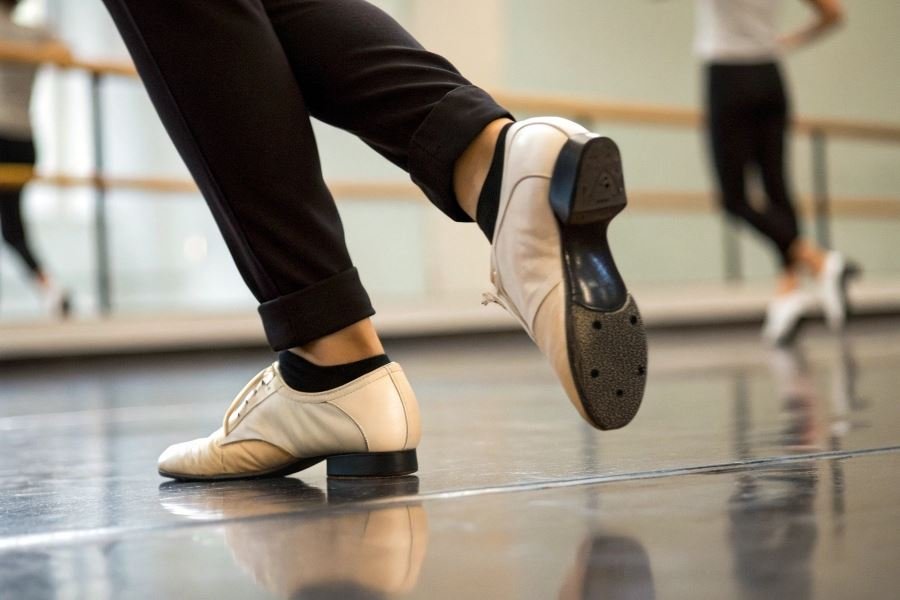
Ever watched a dancer glide across the floor with seemingly effortless precision? Behind that magic lies a crucial secret: proper footwear. For adult jazz dancers, the right shoes aren’t just accessories—they’re essential tools that can make the difference between injury and inspiration.
Jazz dance demands a unique combination of flexibility, support, and grip that regular athletic shoes simply can’t provide. Unlike ballet slippers that prioritize maximum floor feel or tap shoes designed for percussion, jazz shoes strike that perfect balance between protection and freedom. They feature split soles for articulation, rubber patches for controlled turns, and low-profile designs that showcase the foot’s lines while providing crucial support for adult joints.
What sets quality jazz shoes apart is their ability to accommodate the adult dancer’s specific needs. As we age, our feet require different considerations than those of younger dancers. The perfect jazz shoe addresses three critical factors: anatomical support for mature feet, durability for consistent training, and design elements that complement your personal dance style.
“Your jazz shoes are the interface between artistic vision and technical execution—choose them with the same care you’d give to selecting any professional tool.”
Whether you’re returning to dance after years away or continuing a lifelong passion, understanding these fundamentals will transform how you approach selecting your next pair of jazz shoes.
Essential Criteria for Adult Jazz Shoes
Finding the perfect jazz shoes as an adult dancer requires attention to specific details that directly impact your performance, comfort, and safety. When evaluating how to choose jazz shoes for adults: main criteria, three factors stand out above all others: proper fit for mature feet, material quality that withstands rigorous use, and sole construction that balances grip with mobility.
Adult-Specific Fit Considerations
Adult feet have unique requirements compared to children’s or teenagers’ feet. The perfect jazz shoe should feel like a natural extension of your foot.
Width matters as much as length. Adult feet tend to spread with age and use, requiring shoes that accommodate this natural widening. Look for brands like Bloch or Capezio that offer width options beyond standard sizing.
A properly fitted jazz shoe should hug your foot without pinching or creating pressure points. The ideal fit allows for approximately a quarter-inch of space at the toe while keeping the heel securely in place.
| Foot Type | Recommended Fit Adjustment |
|---|---|
| Wide feet | Size up 0.5, look for “W” width options |
| Narrow feet | Consider elastic inserts or split-sole designs |
| High arches | Choose shoes with stretch panels across instep |
| Flat feet | Seek additional arch support options |
Remember that jazz shoes typically run smaller than street shoes. Most dancers find their ideal jazz shoe size is 0.5-1 size smaller than their regular footwear.
Material Quality and Longevity
The materials used in your jazz shoes directly impact both performance and lifespan.
Leather vs. Canvas: The Eternal Debate
Genuine leather jazz shoes offer superior durability and eventually mold to your feet, creating a custom fit. However, they require break-in time and proper maintenance. Canvas options provide immediate comfort and breathability but typically wear out faster.
Premium leather jazz shoes from established manufacturers can last 2-3 times longer than budget alternatives when properly maintained.
Breathability Factors
Adult dancers generate more heat during extended practice sessions. Look for:
- Perforated leather options
- Mesh inserts at stress points
- Moisture-wicking linings
Sole Construction and Performance Impact
The sole of your jazz shoe fundamentally changes how you interact with the floor.
Full Sole vs. Split Sole
Full-sole jazz shoes provide maximum support and are ideal for beginners or dancers with foot stability issues. Split-sole designs enhance flexibility and articulation of the foot, allowing for cleaner lines and more expressive movement.
Pro Tip: If you’re returning to dance after a break, start with full-sole shoes to rebuild foot strength before transitioning to split-sole options.
Rubber vs. Suede Outsoles
| Sole Material | Grip Level | Durability | Best For |
|---|---|---|---|
| Rubber | High | Excellent | Concrete, wood, tile surfaces |
| Suede | Moderate | Good | Marley, specialized dance floors |
| Leather | Low | Variable | Traditional stages, experienced dancers |
The thickness of the sole also matters significantly. Thinner soles (2-3mm) provide better floor feel but less impact protection. Thicker soles (4-6mm) offer more cushioning but reduce sensory feedback.
Your jazz shoes are the critical interface between your technique and the floor. Investing time in finding the perfect pair based on these criteria will enhance your performance, prevent injuries, and ultimately save money through extended wear life.
Sealing the Deal: Your Jazz Shoe Decision Matrix
The comfort-function-budget triangle
Finding the perfect jazz shoes isn’t just about picking what looks good—it’s about striking that sweet spot where comfort meets functionality without emptying your wallet. Think of it as a performance triangle: each element supports your dancing journey in different ways.
Professional dancers often prioritize functionality, willing to invest $80-150 in premium options from Bloch or Capezio that offer superior arch support and flexibility. Weekend warriors might lean toward comfort-first options in the $40-65 range that forgive technical imperfections while protecting joints.
The golden rule: Never sacrifice comfort completely for price. Your feet are your foundation—treat them accordingly.
A well-chosen jazz shoe becomes an extension of your foot, not a distraction from your movement.
Consider this decision matrix when making your final choice:
| Priority | Best For | Price Range | Replacement Timeline |
|---|---|---|---|
| Performance | Professional dancers, competitors | $80-150 | Every 3-6 months |
| Versatility | Teachers, regular practitioners | $55-85 | Every 6-12 months |
| Comfort | Beginners, recreational dancers | $40-65 | Every 12-18 months |
Remember that the most expensive option isn’t always the best for your specific needs. The perfect jazz shoe is the one that disappears on your foot while you’re dancing.
Extending jazz shoe lifespan
Even the finest jazz shoes will deteriorate quickly without proper care. Implement these maintenance practices to maximize your investment:
Air them out immediately after each use. Dance shoes trap moisture that breaks down materials and creates odor. Never stuff them in a bag while damp.
Rotate between pairs if you dance frequently. This gives each pair time to fully dry and recover their shape between sessions.
For leather shoes, apply a specialized leather conditioner every 4-6 weeks to prevent cracking. For synthetic options, a gentle wipe with a damp cloth keeps them looking fresh.
Storage matters enormously. Keep shoes in a breathable bag—not plastic—and store in a temperature-controlled environment. Extreme heat or cold dramatically shortens their lifespan.
Recognizing replacement signals
Even with immaculate care, jazz shoes have a finite lifespan. Knowing when to replace them is crucial for both performance and injury prevention.
Watch for these telltale signs:
- Visible sole wear creating uneven contact with the floor
- Diminished support in the arch area
- Stretched upper material that no longer hugs the foot
- Consistent foot pain after dancing that wasn’t present before
Most serious dancers replace their shoes every 3-6 months, while recreational dancers might stretch to 12-18 months. The determining factor isn’t just calendar time but usage intensity—100 hours of dance time is a reasonable benchmark for replacement consideration.
Trust your body’s feedback. When your shoes start affecting your technique or causing discomfort, it’s time for new ones regardless of how recently you purchased them.
Remember that worn shoes aren’t just a performance issue—they’re a safety concern. The minimal investment in new footwear pales in comparison to the potential cost of injury rehabilitation.