
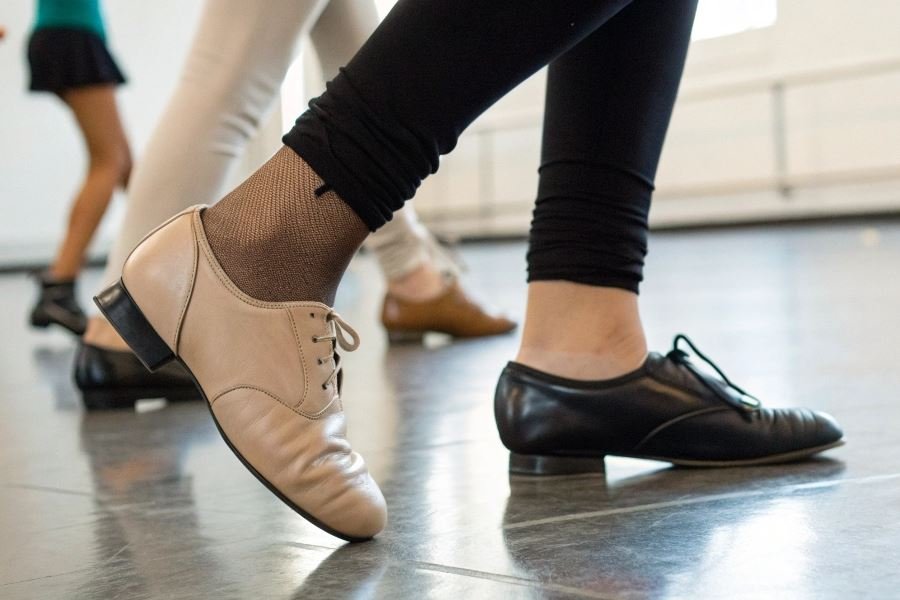
Ever watched a young dancer light up the stage with perfectly executed jazz moves? Behind that magic lies a crucial but often overlooked hero: proper jazz shoes. These aren’t just footwear—they’re the literal foundation upon which young dancers build their technique, confidence, and artistic expression.
Jazz dance demands a unique combination of flexibility, support, and grip that regular sneakers simply can’t provide. When young dancers wear appropriate jazz shoes, they experience immediate improvements in their ability to execute turns, slides, and quick directional changes. The right footwear becomes an extension of their artistic vision, not an obstacle to overcome.
The dance between form and function in children’s jazz shoes is delicate. Unlike ballet slippers or tap shoes, jazz footwear must balance seemingly contradictory needs: enough structure to protect growing feet while remaining flexible enough for proper foot articulation. The split-sole design popular in many modern jazz shoes allows for that critical balance, giving young dancers the freedom to point their feet fully while maintaining support through jumps and landings.
Parents navigating this specialized purchase face several key considerations: proper sizing (which differs from street shoes), material durability, ankle support, and sole grip. The investment goes beyond mere equipment—it’s about preventing injuries, building proper technique, and allowing your child’s natural talent to shine without limitation.
Essential Features of Children’s Jazz Shoes
When your young dancer steps onto the floor, their footwear becomes their foundation. Children’s jazz shoes represent more than just dance equipment—they’re the critical interface between artistic expression and technical execution. Understanding what to pay attention to when buying children’s jazz shoes can make the difference between painful distractions and seamless performance.
Finding the Perfect Fit for Growing Feet
The cornerstone of any quality dance shoe is its fit. For children especially, this becomes a delicate balance between current comfort and accommodation for growth.
Measure both feet standing – Children’s feet can differ in size by up to half a size. Always measure when they’re standing to get an accurate reading of foot length and width under pressure.
Toe room matters – Look for approximately 0.5 inches of space between the longest toe and shoe end. This provides room for growth without creating a tripping hazard.
“A properly fitted jazz shoe should feel like a second skin—secure but never constrictive.”
Growth considerations require special attention with children’s dance footwear. Many dance educators recommend:
| Age Group | Replacement Frequency | Size Allowance |
|---|---|---|
| 3-5 years | Every 3-4 months | 0.5 size up |
| 6-9 years | Every 4-6 months | 0.3 size up |
| 10-12 years | Every 6-8 months | 0.25 size up |
Material Quality That Withstands Studio Life
The durability of children’s jazz shoes directly correlates with their construction materials. Premium options from brands like Bloch and Capezio utilize leather that breathes while maintaining structure.
Leather vs. Canvas – Leather offers superior durability and foot support but comes at a higher price point (typically 35 − 65).Canvasprovidesflexibilityandbreathabilityatamoreaccessiblepricerange(20-40).
For intensive training, consider these material factors:
- Reinforced stitching at stress points
- Moisture-wicking linings to prevent odor development
- Antimicrobial treatments for hygiene during heavy use
- Elastic inserts that maintain shape after stretching
Sole Construction for Technical Development
The sole represents the technical heart of jazz shoes. Its construction directly impacts a child’s ability to execute turns, jumps, and slides safely.
Split-sole designs allow maximum foot articulation—critical for developing proper technique in younger dancers. Full-sole options provide more support for beginners but may limit range of motion.
Flexibility testing is essential: The shoe should bend easily at the ball of the foot but resist folding in half. This balance ensures proper foot support while enabling technical execution.
Rubber patches strategically placed on leather or suede soles create the ideal friction coefficient for controlled turns. Too much grip prevents proper rotation; too little creates dangerous slipping conditions.
The thickness gradient matters tremendously—thinner at the arch for flexibility, thicker at the heel and ball for shock absorption during jumps. This construction detail becomes particularly important as children progress to more advanced choreography with elevation elements.
By prioritizing proper fit, quality materials, and appropriate sole construction, you’ll provide your young dancer with footwear that enhances rather than hinders their artistic journey.
Smart Spending on Kids’ Jazz Shoes
Budget wisdom that dances with value
Let’s talk dollars and sense when it comes to children’s jazz shoes. Quality pairs typically range from $20 to $65, with the sweet spot hovering around $35 for reliable performance without breaking the bank. The price difference often reflects material quality and durability—leather options commanding premium prices over canvas alternatives.
Investment strategy: For beginners or rapidly growing feet, start with mid-range options. As commitment to dance increases, gradually step up to premium brands like Bloch or Capezio.
The cheapest shoes often become the most expensive when they need replacement after just a few weeks of serious practice.
For growing dancers, consider the cost-per-class ratio rather than just the sticker price. A 50pairlasting100classes(0.50/class) offers better value than a 25pairthatsurvivesonly30classes(0.83/class).
Keeping those shoes performance-ready
Jazz shoes demand specific care routines that extend their lifespan and maintain performance quality. Unlike street shoes, they require dance-specific maintenance:
Daily care: Air out shoes after each practice to prevent odor and material breakdown from trapped moisture. A mesh dance bag allows ventilation while keeping pairs together.
Cleaning protocol by material type:
| Material | Cleaning Method | Frequency | Special Notes |
|---|---|---|---|
| Leather | Wipe with damp cloth, leather conditioner | Monthly | Never soak or machine wash |
| Canvas | Hand wash with mild soap, air dry | Bi-weekly | Avoid dryers completely |
| Synthetic | Spot clean, occasional gentle machine wash | As needed | Use cold water, air dry flat |
Pro tip: Keep a dedicated toothbrush for cleaning the pivot points and crevices where studio floor debris collects. This prevents unnecessary sole wear and maintains proper spin function.
The replacement timeline decoded
Children’s jazz shoes don’t come with expiration dates, but they do send clear signals when retirement time approaches. Watch for these non-negotiable replacement indicators:
- Visible sole wear affecting pivot points
- Stretched upper material that no longer provides proper foot support
- Separation between sole and upper
- Growth-related fit issues (the most common reason for younger dancers)
Most children need new jazz shoes every 6-9 months due to growth alone. Performance-level dancers might need replacements every 3-4 months due to intensity of use.
Upgrade triggers extend beyond basic replacement needs:
- Technique advancement requiring different sole flexibility
- Competition participation demanding higher-quality appearance
- Transition to more specialized jazz styles
Smart succession planning: Purchase the next pair about two weeks before absolutely necessary. This allows break-in time without compromising performance or comfort during the transition.
Remember that proper jazz shoe fit and function directly impact technique development and injury prevention. The investment in timely replacements pays dividends in your child’s dance progress and enjoyment—making it perhaps the most practical consideration of all.