
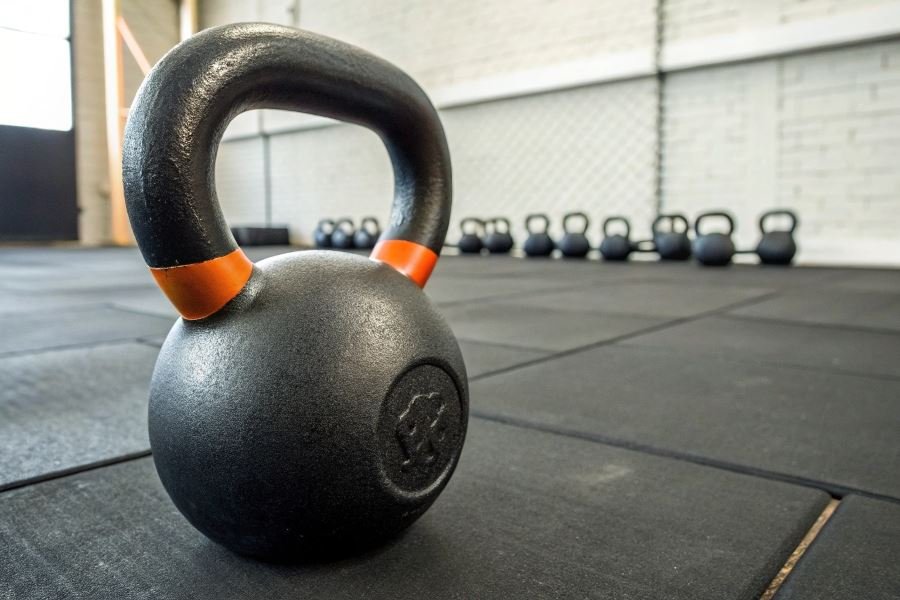
Ever watched someone swing a cannonball with a handle and wondered what all the fuss is about? That’s a kettlebell – and it might just be the most versatile fitness tool you’re not using yet. Unlike those shiny chrome dumbbells lining gym walls, kettlebells demand your full attention and reward you with full-body results.
Kettlebell training isn’t just another fitness trend; it’s a time-tested method that dates back to 18th century Russia. Today, these cast-iron powerhouses have become the secret weapon for everyone from NFL athletes to busy parents squeezing in home workouts. Why? Because they deliver remarkable strength gains, cardiovascular benefits, and mobility improvements in surprisingly short workouts.
But here’s the catch – grabbing any kettlebell off the shelf is like buying running shoes without checking the size. The wrong choice can lead to frustration, poor technique, and even injury. Your kettlebell journey begins with selecting the right weight, style, and quality for your specific needs.
Before you invest in your first kettlebell, you’ll need to consider:
- Your current strength level (be honest!)
- Your fitness goals (strength, endurance, or both?)
- Your training environment (home or gym?)
- Your budget (quality matters, but options exist at every price point)
“The kettlebell you choose as a beginner sets the foundation for your entire training experience. Too heavy and you’ll compromise form; too light and you’ll miss out on benefits.”
Let’s break down exactly what you need to know to make the perfect choice for your kettlebell journey.
The Kettlebell Selection Guide That Changes Everything
When stepping into the world of kettlebell training, that first purchase decision can make or break your fitness journey. The right kettlebell becomes an extension of your body—the wrong one collects dust or worse, leads to injury.
For beginners navigating how to choose a kettlebell for beginners, three critical factors stand above all others: appropriate weight selection, material quality, and handle ergonomics. These elements don’t just affect your workout experience; they determine whether you’ll still be swinging that bell six months from now.
Weight Selection: Your Foundation for Success
The perfect starting weight varies dramatically based on your current strength level and gender:
For women beginners:
- Limited strength training experience: 8-12 lbs (4-6 kg)
- Some strength background: 16-18 lbs (8 kg)
- Athletic background: 26 lbs (12 kg)
For men beginners:
- Limited strength training experience: 26-35 lbs (12-16 kg)
- Some strength background: 35 lbs (16 kg)
- Athletic background: 44 lbs (20 kg)
The ideal beginner kettlebell allows you to complete 8-10 repetitions with proper form while still feeling challenged by the final rep.
Remember that kettlebell exercises involve dynamic, full-body movements—not isolated muscle work. Starting too heavy compromises technique and safety; too light limits strength development and metabolic benefits.
Material Matters: Cast Iron vs. Competition vs. Vinyl
The material of your kettlebell affects everything from durability to workout experience:
| Material Type | Pros | Cons | Best For |
|---|---|---|---|
| Cast Iron | Affordable, traditional feel, widely available | Can rust, inconsistent dimensions | Home gyms, beginners, general training |
| Competition | Uniform size regardless of weight, steel construction, color-coded | Premium price point, specialized | Technical lifters, consistency between weights |
| Vinyl-Coated | Floor-friendly, comfortable grip, rust-resistant | Coating can crack over time, less precise balance | Apartment workouts, shared spaces |
Cast iron kettlebells from Rogue Fitness offer exceptional quality for beginners, while competition kettlebells from Kettlebell Kings provide professional-grade options for those looking to advance.
Handle Design: The Overlooked Game-Changer
The handle is your primary contact point with the kettlebell—its design dramatically impacts your training:
Handle width considerations:
- Too narrow (under 30mm): Causes hand cramping during extended sets
- Too wide (over 38mm): Difficult to maintain grip during dynamic movements
- Sweet spot (33-35mm): Balances comfort and control for most hand sizes
Handle texture matters:
- Smooth: Allows rotation in the hand for ballistic movements
- Textured: Provides security for grinding exercises like presses
- Powder-coated: Offers the ideal middle ground between grip and movement
The handle’s internal width should accommodate both hands comfortably for exercises like the goblet squat—typically 5.5 inches or wider provides sufficient space.
When testing kettlebells in person, perform a brief rack position hold (bell resting on forearm) to assess comfort against your arm. The best kettlebells create a stable platform without digging into your forearm.
Your first kettlebell purchase sets the trajectory for your entire training journey—choose wisely, train consistently, and watch your strength transform with this incredibly versatile tool.
Finding Your Perfect First Kettlebell
The moment you wrap your hand around the right kettlebell, you’ll know it. That perfect combination of challenge and control signals the start of your kettlebell journey. But how do you find that sweet spot when you’re just beginning? Let’s dive into the practical steps that separate kettlebell success from a dusty piece of equipment in your garage.
The hands-on approach to weight testing
Before committing to a kettlebell purchase, you need to physically test it. Visit a sporting goods store and try this simple test: hold the kettlebell in the rack position (forearm vertical, kettlebell resting on your forearm) for 30 seconds. If you’re struggling before time’s up, it’s too heavy. If it feels like nothing, go heavier.
The grip test is equally crucial. A proper kettlebell should allow your fingers to wrap comfortably around the handle with your thumb meeting or overlapping your fingers. The handle thickness matters—beginners typically benefit from handles between 30-33mm in diameter.
Pro tip: Perform a basic swing with the kettlebell before purchasing. Even 5-10 controlled swings will tell you volumes about whether the weight is appropriate for your current strength level.
Quality vs. cost: Making smart investments
Kettlebells range dramatically in price, from $25 budget options to $150+ competition-grade equipment. For beginners, aim for the sweet spot between $40-80 for your first kettlebell from reputable brands like Rogue Fitness or Kettlebell Kings.
Quality indicators to watch for:
- Single-cast construction – No welded parts that could break
- Flat bottom – Ensures stability when not in use
- Consistent finish – No rough spots that could tear hands
- Uniform dimensions – Regardless of weight
Remember that a quality kettlebell is a lifetime investment. The $20 you save today might cost you hundreds in the long run if you need to replace a subpar product.
Validation exercises for your new kettlebell
Once you’ve selected a kettlebell, these starter exercises will quickly confirm if you’ve made the right choice:
| Exercise | Reps | What It Tests |
|---|---|---|
| Two-handed swing | 20 | Overall weight appropriateness |
| Goblet squat | 10 | Core strength with weight |
| Farmer’s carry | 30 seconds | Grip endurance |
| Halo | 5 each direction | Shoulder mobility with weight |
If you can complete these exercises with proper form but still feel challenged, congratulations—you’ve found your starter kettlebell! If you’re struggling significantly with form, consider dropping down 4-8kg. Conversely, if these feel too easy, you might need to level up.
Weight guidelines: Most active men typically start with 16kg (35lbs), while most women begin with 8kg (18lbs) or 12kg (26lbs). These aren’t rigid rules—your personal strength and fitness background matter more than gender.
The perfect kettlebell feels substantial enough to provide resistance but manageable enough to maintain proper form through a complete workout. Remember, you’re not just buying a weight—you’re investing in a tool that will transform your fitness journey when selected thoughtfully.