
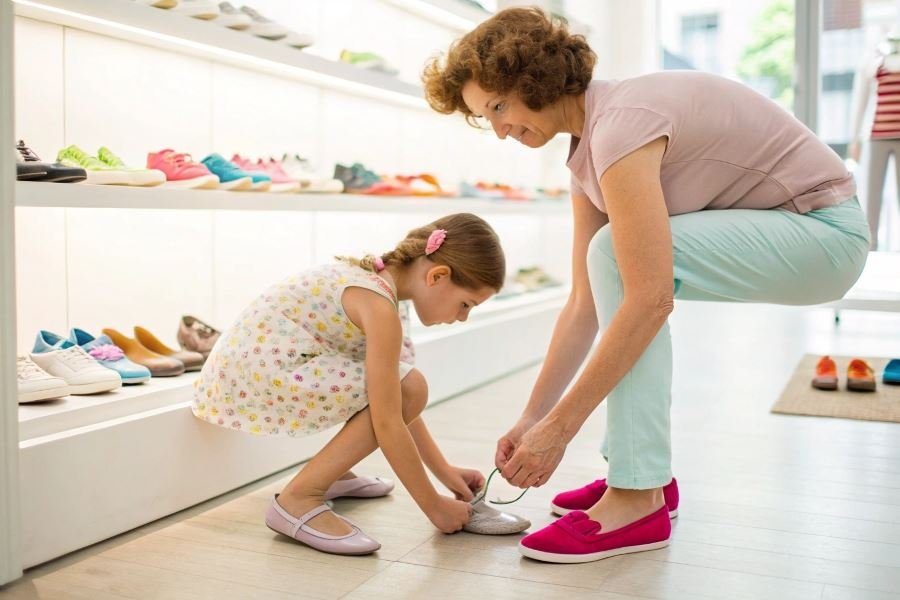
Ever watched a child sprint across a field, their face lit with determination? Behind that magical moment is something surprisingly critical: their footwear. The right pair doesn’t just protect tiny feet—it can literally shape athletic potential.
The children’s sports shoe market has exploded with innovation recently, with sales jumping 18% last year alone. Brands are no longer simply shrinking adult designs but engineering footwear specifically for developing bones and unique movement patterns. This shift comes as pediatric podiatrists increasingly highlight how proper athletic footwear during formative years can prevent injuries that might follow children into adulthood.
What’s driving parents’ decisions in 2025? Three factors consistently top the list: durability (because kids are relentlessly hard on shoes), proper support (as young feet are still developing crucial arches), and—perhaps surprisingly—sustainability, with 64% of parents now considering eco-friendly materials important.
Nike remains the powerhouse with their Dynamo Free line, but brands like Asics are gaining ground with their focus on specialized sport-specific support. Meanwhile, New Balance has carved out a loyal following with their extra-wide options for children with broader feet.
“The shoes your child wears during sports don’t just affect their performance today—they’re laying the foundation for how they’ll move for decades to come.” — American Academy of Pediatric Sports Medicine
Parents are increasingly recognizing that investing in quality athletic footwear isn’t about brand prestige—it’s about giving young athletes the biomechanical advantage they deserve from the very first starting line.
The Big Three of Kids’ Athletic Footwear
When it comes to children’s athletic footwear, three titans consistently dominate playground conversations and sports field sidelines. The most popular brands of children’s sports shoes have earned their status through decades of innovation, durability testing, and understanding the unique needs of growing feet.
Nike: Engineering Confidence With Every Step
Nike has revolutionized children’s athletic footwear with designs that blend performance and style. Their signature Dynamo Free line features a slip-on design with elastic laces—perfect for kids still mastering the art of tying shoes. The technology doesn’t stop at convenience:
- Nike FlyEase technology allows children with mobility challenges to get into their shoes independently
- Zoom Air cushioning provides responsive protection for high-impact activities
- Breathable mesh uppers keep active feet cool during extended play
The Nike Revolution series deserves special mention for its lightweight design and exceptional durability—surviving everything from recess tag to weekend soccer tournaments. Parents consistently report these shoes lasting until outgrown rather than wearing out.
Adidas: German Engineering For Growing Athletes
Adidas brings its legendary precision to children’s footwear with technologies specifically calibrated for developing feet. Their Cloudfoam technology creates a cushioning system that adapts to a child’s weight and movement patterns.
The Adidas Advantage line has become a classroom staple with its:
- EcoOrthoLite sockliner that fights odor—a genuine blessing for parents
- Synthetic leather uppers that wipe clean with minimal effort
- Non-marking outsoles that transition seamlessly from gym class to everyday wear
| Model | Best For | Standout Feature |
|---|---|---|
| Fortarun | High-energy play | Bounce midsole technology |
| Hoops 3.0 | Basketball/court sports | Ankle support system |
| Duramo | All-day wear | Extended durability zones |
Adidas has mastered the art of creating shoes that grow with children rather than simply containing their feet, incorporating expansion zones that accommodate growth spurts without sacrificing support.
New Balance: Width Options That Understand Real Kids
New Balance stands apart with their commitment to proper fit through multiple width options—something particularly valuable for children with wide or narrow feet. Their 990v5 youth model offers the same premium construction as the adult version, scaled appropriately for developing biomechanics.
What truly distinguishes New Balance is their pressure mapping technology that identifies how children actually use their shoes, not how adults think they should. This research has led to:
- ABZORB cushioning placed precisely where kids need impact protection
- Fresh Foam midsoles that provide stability without restricting natural movement
- Reinforced toe caps in high-wear areas based on actual wear patterns
The New Balance 680v6 deserves recognition for its exceptional arch support—critical during developmental years when proper alignment establishes lifelong movement patterns.
New Balance also leads with their Made in USA series, featuring domestically manufactured options with stricter quality control standards than many competitors’ overseas production.
Each of these powerhouse brands brings something unique to children’s athletic footwear, but they share a commitment to understanding that kids aren’t just small adults—they have distinct biomechanical needs requiring specialized engineering approaches.
Finding the Perfect Fit: Your Guide to Children’s Athletic Footwear
When it comes to supporting young athletes, the right footwear isn’t just about brand names—it’s about finding that perfect intersection of support, durability, and performance. Let’s dive into how to navigate the crowded marketplace of children’s sports shoes with confidence and clarity.
Sport-Specific Selection Strategy
Different activities demand different features in athletic footwear. For young runners, brands like Brooks and New Balance offer superior cushioning and arch support that protect developing joints during repetitive impact. Basketball players benefit from the ankle stability found in Nike Air Jordan or Under Armour Curry models, while soccer enthusiasts need the traction and ball control provided by Adidas Predator or Puma Future lines.
For multi-sport athletes, cross-trainers from Asics or Reebok deliver versatility without sacrificing support. The key is matching the primary biomechanical demands of the sport with the shoe’s design philosophy.
Value Equation: Beyond the Price Tag
When evaluating children’s athletic footwear, consider this value matrix:
| Factor | Budget Consideration | Premium Benefit |
|---|---|---|
| Durability | $40-60 shoes may last one season | $70-100 models often survive multiple seasons |
| Growth Room | 0.5 inch toe space for growth | Adjustable features in higher-end models |
| Support | Basic cushioning | Advanced stability systems for injury prevention |
| Materials | Synthetic uppers | Breathable, flexible materials that adapt to movement |
The true cost of athletic footwear isn’t the price tag—it’s the cost per wear. A $90 pair that lasts through two seasons of heavy use ultimately delivers better value than a $45 pair that deteriorates after three months.
Age-Appropriate Recommendations
Early Movers (Ages 3-6)
For preschoolers and kindergarteners, prioritize shoes with:
- Velcro closures for independence
- Flexible soles that allow natural foot movement
- Washable materials (trust us on this one)
Stride Rite and Tsukihoshi excel in this category, creating shoes that support natural development without restricting motion.
Elementary Athletes (Ages 7-12)
This crucial developmental stage requires:
- Moderate cushioning to protect growing bones
- Durable construction for playground-to-practice versatility
- Room for growth without compromising fit
Saucony Kids and New Balance offer excellent width options for this age group, accommodating the wide variety of foot shapes typical during these growth years.
Teen Competitors (Ages 13+)
As young athletes specialize and training intensifies:
- Sport-specific features become critical
- Adult-level performance technologies provide necessary support
- Proper fit becomes paramount for injury prevention
The adolescent foot is particularly vulnerable to stress injuries when improperly supported during high-intensity activity.
For serious teen athletes, investing in proper sport-specific footwear from performance leaders like Nike, Adidas, or Under Armour isn’t just about performance—it’s about protection.
Remember that the best shoe is ultimately the one that fits properly, supports the specific activity, and stays within your budget constraints. By focusing on these fundamentals rather than just chasing trending brands, you’ll ensure your young athlete has the foundation they need to perform their best and develop healthy movement patterns for life.