
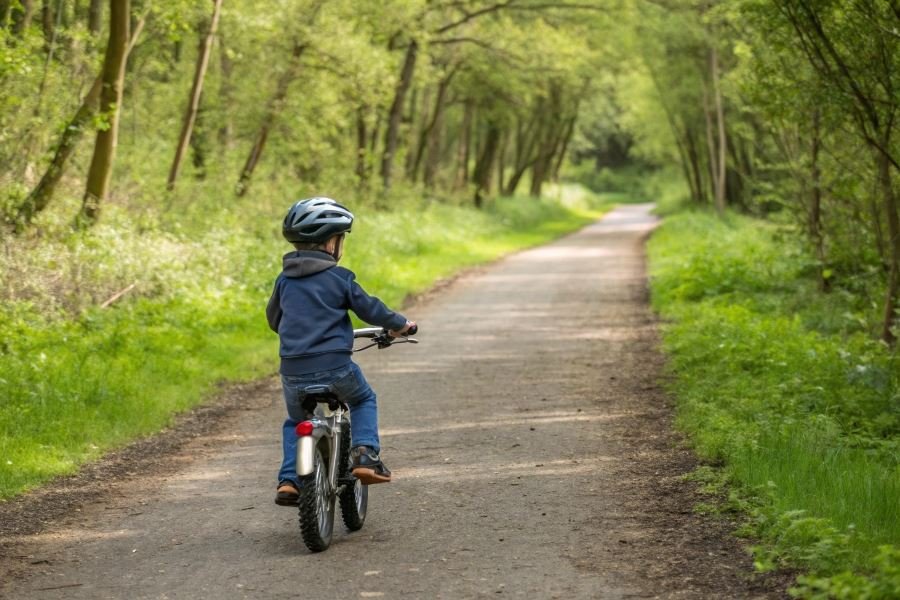
Ever watched a child struggle with a bike that’s too big, their toes barely touching the ground, or hunched over handlebars that sit too low? That moment of frustration can be the difference between a lifelong love of cycling and a hobby abandoned in the garage.
Selecting the right bicycle for your child isn’t just about picking the coolest design or the flashiest colors. It’s about safety, comfort, and confidence – three elements that transform a simple ride around the neighborhood into an adventure that builds skills and creates memories.
“The right bike size isn’t just a comfort issue—it’s a safety imperative that affects how quickly your child can develop proper riding skills.”
The safety equation: When size really matters
When a bike fits properly, your child can easily place their feet on the ground when stopping and reach the handlebars and brakes without stretching. This control is crucial for preventing accidents and building confidence. Studies show that children riding properly-sized bikes develop better balance and coordination, with significantly fewer injuries reported compared to those on ill-fitting models.
Beyond age charts: Understanding the measurement basics
While age recommendations provide a starting point, they’re just that—a start. Height and inseam measurements tell a much more accurate story:
- Wheel size: Measured in inches (12″, 16″, 20″, 24″)
- Frame size: The distance from the center of the pedal crank to the top of the seat tube
- Standover height: The clearance between the top tube and your child’s inseam
Remember that manufacturers vary in how they size their bikes, making these measurements your most reliable guide to finding that perfect match for your young rider.
The Ultimate Children’s Bicycle Size Guide: Finding the Perfect Fit
Watching a child zoom around on their first bicycle creates memories that last a lifetime. But before those magical moments can happen, parents face the crucial task of selecting the right-sized bike. Finding the perfect bicycle for your child isn’t just about picking their favorite color—it’s about safety, comfort, and setting them up for cycling success.
When tackling how to choose a children’s bicycle by age and height, you need to consider several factors beyond just what looks cool. The right size ensures proper control, builds confidence, and prevents potential injuries. Let’s break down the perfect sizing guide by age group to help you make an informed decision that will have your young rider cruising comfortably in no time.
Toddler Bikes: Ages 2-4 (12-14″ Wheels)
For the littlest riders taking their first pedal strokes, proper sizing is absolutely critical. Toddlers between ages 2-4 typically fit best on bikes with 12-14″ wheels, depending on their height.
Key measurements to consider:
- Inseam: 14-17 inches
- Height: 2’10″-3’4″ (34-40 inches)
- Seat height: Should allow feet to touch the ground flatly
Toddler bikes should feature:
- Training wheels for stability
- Coaster brakes (pedal backward to stop)
- Low standover height for easy mounting
- Simplified design with fewer parts
Pro tip: For first-time riders, consider a balance bike before transitioning to a pedal bike. These pedal-free options help develop crucial balance skills that make the eventual transition to a traditional bicycle much smoother.
Young Children’s Bikes: Ages 5-8 (16-20″ Wheels)
As children grow more confident and coordinated, they’re ready to level up their cycling game. Kids aged 5-8 typically fit best on bikes with 16-20″ wheels.
| Age | Typical Height | Wheel Size | Inseam |
|---|---|---|---|
| 5-6 | 3’8″-4’0″ | 16″ | 18-22″ |
| 6-8 | 4’0″-4’5″ | 20″ | 22-25″ |
Features to look for:
- Hand brakes (introducing them alongside coaster brakes)
- Adjustable seat post with quick-release
- Lighter frame materials for easier handling
- Potentially removable training wheels
Young riders at this stage develop rapidly, so choosing a bike with some adjustment room makes financial sense. However, resist the temptation to buy something they’ll “grow into”—an oversized bike creates safety hazards and frustration.
Older Children’s Bikes: Ages 9-12 (24-26″ Wheels)
Pre-teens need bikes that can handle more adventurous riding while accommodating significant growth spurts. Children ages 9-12 typically fit best on 24″ wheels, with some taller 11-12 year olds ready for 26″ wheels.
Sizing considerations:
- Height range: 4’5″-5’0″ for 24″ wheels; 4’10″+ for 26″ wheels
- Inseam: 25-28″ for 24″ wheels; 28″+ for 26″ wheels
- Standover height: Child should have 1-2″ clearance when standing over the top tube
These bikes often feature:
- Multiple gears for tackling varied terrain
- Front suspension on some models
- Hand brakes only (no coaster brakes)
- More sophisticated components similar to adult bikes
The test ride is crucial at this age. Have your child try several models to find the most comfortable geometry. Many bike shops offer extensive test ride options to ensure the perfect fit before purchase.
Remember that proper sizing isn’t just about comfort—it’s about safety, skill development, and fostering a lifelong love of cycling. Take the time to measure carefully and choose wisely!
Beyond Size: What Really Matters in Kids’ Bikes
Growth-friendly adjustability features
Finding a bike that grows with your child is like discovering gold in your backyard. The best children’s bicycles incorporate multiple adjustment points that extend their usable lifespan. Quick-release seat posts have revolutionized the parent experience—allowing height adjustments in seconds without tools. Many premium models from Trek and Specialized offer seat posts with 4-5 inches of adjustment range.
Handlebars matter just as much as seat height. Look for bikes with adjustable stem height and reach to maintain proper riding posture as your child grows. Some innovative designs like the woom series feature handlebars that can be flipped to create different reach positions—genius engineering that adds months of perfect fit.
The most growth-friendly bikes allow for a 3-4 inch height range, potentially saving you from buying a new bike every year.
Age-appropriate safety features
Safety features should evolve with your child’s development. For the youngest riders (ages 2-4), prioritize:
- Covered chains to prevent finger injuries
- Steering limiters that prevent handlebars from making complete turns
- Rubber-coated handlebars for cushioned impacts
As children progress to ages 5-8, safety needs shift toward:
- Reliable hand brakes (not just coaster brakes)
- Reflective elements on multiple surfaces
- Properly sized grips for developing hand strength
For pre-teens (9-12), look for:
- Multiple gearing options with intuitive shifting
- Higher quality braking systems
- Lightweight frames that improve handling
The Guardian Bikes brand has pioneered SureStop braking technology—a single-lever system that activates both front and rear brakes in perfect sequence, virtually eliminating the risk of front-wheel-only braking accidents.
Quality vs. budget considerations
| Price Range | What You Get | Typical Lifespan |
|---|---|---|
| $80-150 | Basic components, heavier frames, limited adjustability | 1-2 years |
| $200-350 | Aluminum frames, quality brakes, better adjustability | 2-4 years |
| $350-500+ | Premium components, extensive adjustability, lightweight design | 3-5+ years |
The bicycle market offers options at every price point, but there’s wisdom in the middle path. Entry-level department store bikes often weigh 50% more than their quality counterparts, making them frustrating for children to ride and control.
Investing in a mid-range bicycle from a reputable manufacturer like Cannondale or Giant typically delivers a better experience through:
- Properly sized components designed specifically for children
- Sealed bearings that resist water and dirt
- Frames designed with appropriate geometry for developing riders
The true value equation isn’t just initial cost—it’s cost divided by years of happy riding.
Consider the resale factor too. Quality bikes from recognized brands typically retain 40-60% of their value, making the effective cost of ownership much lower than budget alternatives that have little resale appeal.