
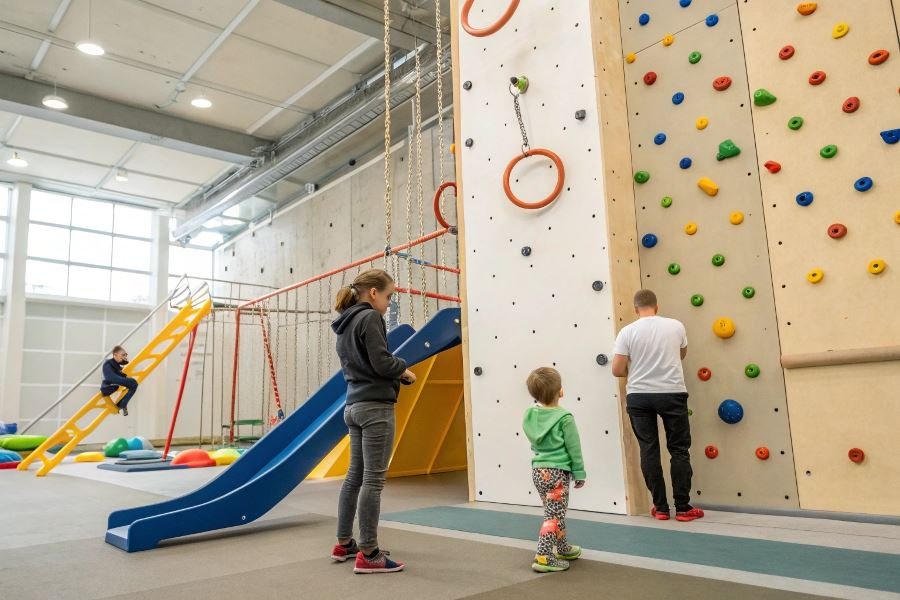
Ever watched a toddler transform a cardboard box into a spaceship? That’s the magic of play spaces! But imagine what happens when you introduce a dedicated playhouse designed specifically for their developing minds and bodies. The possibilities become endless.
Playhouses for toddlers under 3 aren’t just adorable miniature homes—they’re powerful developmental tools disguised as fun. These special spaces create environments where young children can flex their growing imaginations, practice emerging social skills, and develop crucial motor abilities, all while thinking they’re simply having a blast.
The brain-building power of playhouses cannot be overstated. During these critical first three years, children experience explosive neural development. A well-designed playhouse encourages:
- Imaginative play that builds language and storytelling abilities
- Physical movement that strengthens coordination and spatial awareness
- Social interaction when shared with siblings or friends
- Independence in a safe, child-sized environment
Safety first: Non-negotiable features
When selecting a playhouse for your tiny adventurer, safety trumps all other considerations. Look for:
- Rounded edges and corners to prevent injuries
- Non-toxic materials and lead-free paint
- Sturdy construction that won’t tip over
- Proper ventilation, especially for indoor models
- Age-appropriate features (avoid climbing elements for the youngest users)
The perfect playhouse balances developmental benefits with practical considerations like available space, indoor vs. outdoor placement, and your child’s specific interests. Remember that the best playhouse is one that grows with your child, offering new possibilities as their skills and imagination expand.
Building the Perfect Toddler Playhouse: Essential Features That Matter
When it comes to creating magical childhood moments, few things rival the joy of a personal playhouse. These miniature domains become the epicenter of imagination, development, and pure fun for our littlest adventurers. Selecting the right playhouse isn’t just about aesthetics—it’s about creating a safe, engaging environment that grows with your child.
The features of selection for playhouses for toddlers up to 3 years old require careful consideration of developmental milestones, safety parameters, and durability factors. During these formative years, children are rapidly developing motor skills, spatial awareness, and creative thinking—making the right playhouse an investment in their growth, not just a backyard addition.
Age-Appropriate Design Elements That Spark Development
Toddlers experience the world differently than older children. Their playhouses should reflect this unique perspective with:
- Low entry thresholds (under 2 inches) for developing walkers
- Rounded corners and edges throughout the structure
- Simple door mechanisms that tiny hands can master
- Basic interactive elements like mailboxes, windows, and counters
The best designs incorporate multiple sensory experiences—textured walls, colorful panels, and sound-making features that engage developing brains.
Research from child development experts shows that open-ended play spaces foster creativity better than overly-themed environments. A playhouse with adaptable features allows toddlers to reimagine their space as a home, store, or castle—whatever their blossoming imagination desires.
Size, Stability and Safety: Non-Negotiable Requirements
When evaluating playhouse options, structural integrity isn’t just a feature—it’s the foundation of every other consideration.
| Safety Feature | Minimum Requirement | Why It Matters |
|---|---|---|
| Base Stability | 4-point contact with ground | Prevents tipping during active play |
| Wall Strength | Supports 50+ lbs of pressure | Withstands leaning and climbing attempts |
| Ceiling Height | 35-42 inches | Accommodates standing toddlers without head bumps |
| Floor Space | Minimum 9 sq. ft. | Allows movement without overcrowding |
Anchoring systems are essential for outdoor playhouses, preventing dangerous movement during windy conditions or enthusiastic play sessions. For indoor options, non-slip bases provide similar stability benefits without permanent installation.
The Little Tikes Cape Cottage and Step2 Neat & Tidy Cottage both exemplify excellent stability design with wide bases and low centers of gravity.
Material Matters: Durability for Indoor and Outdoor Adventures
Toddler playhouses face formidable challenges: weather exposure, cleaning products, and the unrelenting energy of children discovering their strength.
For outdoor playhouses, look for:
- UV-resistant plastics that won’t fade or become brittle
- Cedar or pressure-treated lumber for wooden options
- Rust-proof hardware and reinforced connection points
- Water-resistant materials that prevent warping or mold growth
Indoor playhouses benefit from:
- Lightweight but sturdy materials for occasional repositioning
- Non-toxic paints and finishes that can withstand frequent cleaning
- Modular designs that can be disassembled for storage
- Softer materials like fabric panels in strategic locations
The best materials strike a balance between durability and weight—substantial enough to withstand daily use but manageable enough for adult assembly and potential relocation as your family’s needs evolve.
Remember that today’s toddler will be tomorrow’s preschooler. Investing in a quality playhouse with thoughtful features creates a play space that will deliver years of developmental benefits and countless memories.
Top 3 Playhouses That Spark Toddler Joy
When it comes to creating magical play spaces for the littlest adventurers in your home, playhouses reign supreme. These miniature kingdoms offer more than just entertainment—they’re developmental powerhouses that encourage imagination, motor skills, and social play. Let’s dive into the three standout categories that deserve your attention when shopping for your toddler’s next favorite space.
Fabric Havens That Pop Up Instantly
Indoor fabric playhouses have revolutionized the play space market with their convenience and versatility. These lightweight wonders typically set up in seconds and fold away just as quickly when playtime ends.
Key benefits that make fabric playhouses shine:
- Portability that allows for play anywhere in the home
- Lightweight design perfect for toddlers still mastering balance
- Machine-washable materials that stand up to inevitable spills
- Storage simplicity when floor space is at a premium
When selecting a fabric playhouse, prioritize models with reinforced stitching and flame-retardant materials. The IKEA BUSA play tunnel and the Melissa & Doug castle tent exemplify quality construction that withstands enthusiastic play sessions.
Look for mesh windows that provide airflow while allowing parents to maintain visual supervision—a crucial safety feature for the under-3 crowd.
Plastic Playhouses Built for Exploration
Plastic modular playhouses offer durability that fabric simply can’t match, making them ideal for both indoor and outdoor use. These colorful structures have evolved significantly from the basic designs of previous decades.
What makes plastic playhouses worth considering:
- Weather-resistant materials that withstand sun and rain
- Rounded edges and non-toxic plastics for safety
- Modular components that grow with your child
- Easy cleaning with just soap and water
| Feature | Benefit for Toddlers |
|---|---|
| Low doorways | Sized perfectly for independent entry |
| Interactive elements | Develops fine motor skills |
| Bright colors | Stimulates visual development |
| Textured surfaces | Enhances sensory exploration |
The Little Tikes Cozy Cottage and Step2 playhouses incorporate features like working doorknobs, mail slots, and play kitchens that fascinate toddlers while teaching practical life skills.
Wooden Wonders That Last Generations
For those seeking heirloom quality, wooden playhouses represent the premium tier of toddler play spaces. These structures bring natural elements into play and often feature craftsmanship that stands the test of time.
Advantages that set wooden playhouses apart:
- Sturdy construction that supports multiple children
- Natural materials that connect kids to the environment
- Classic aesthetic that complements home décor
- Potential for customization and expansion
When selecting a wooden playhouse for toddlers under three, prioritize models with smooth, splinter-free surfaces and non-toxic finishes. The KidKraft cottage series and Melissa & Doug indoor wooden playhouses offer scaled-down dimensions perfect for younger children.
The weight of wooden playhouses provides stability that prevents tipping—a significant safety advantage for enthusiastic climbers still developing coordination.
Each playhouse type offers distinct advantages, but all share the ability to create magical spaces where toddlers develop crucial skills through the power of imaginative play. The best choice ultimately depends on your space constraints, budget, and your little one’s play preferences.