
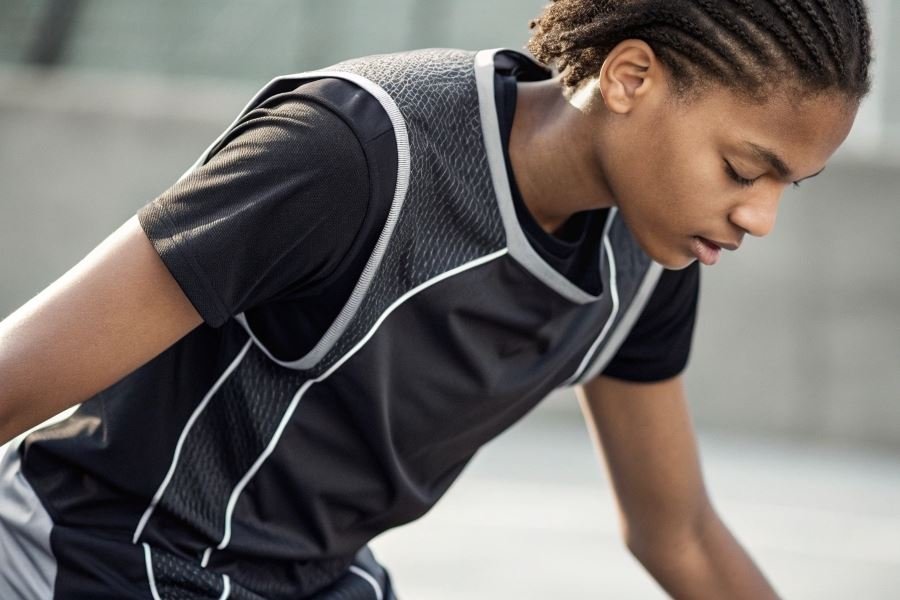
Ever watched a child struggle through PE class in jeans that restrict movement or shoes that slip on gym floors? That’s not just uncomfortable—it’s holding them back from developing crucial physical skills. The right sports uniform isn’t just about following rules; it’s about setting your child up for confidence, performance, and safety.
When parents approach the sports uniform shopping season, they’re navigating a maze of school requirements, quality considerations, and budget constraints. The perfect PE kit strikes that delicate balance between what the school demands and what your child needs to thrive during physical activity.
The performance factor
The difference between generic clothing and proper sports attire is dramatic. Technical fabrics that wick moisture away from the skin can keep kids comfortable through intense activities, while proper athletic shoes provide crucial support for growing feet. Studies show that children perform up to 15% better in activities when wearing appropriate athletic wear—that’s the difference between developing a love for physical activity or dreading PE class.
Decoding school requirements
Most schools have specific uniform guidelines that vary widely:
- Standard requirements: T-shirts, shorts, sweatpants, athletic shoes
- Sport-specific gear: Swimming attire, cleats for field sports
- School colors/logos: Required branding elements
Before purchasing, always check your school’s handbook or website for exact specifications. Many schools partner with specific retailers, which can simplify your shopping but sometimes limit options.
Quality vs. cost: Finding the sweet spot
Investing in quality doesn’t always mean breaking the bank. High-performance polyester blends often outlast cotton counterparts through multiple wash cycles and intense use. The key is identifying where to invest (shoes, for instance) and where to economize (like having fewer, better-quality items rather than many cheaper ones).
Remember: The best sports uniform is one that your child barely notices—because when they’re comfortable, they can focus entirely on the joy of movement.
Essential Gear for School Sports Success
When it comes to preparing your child for physical education classes, having the right equipment isn’t just about following school rules—it’s about setting them up for comfort, performance, and confidence. Selecting appropriate sports uniform components requires thoughtful consideration of versatility, durability, and functionality.
Parents often struggle with determining what sports uniform to buy for a child for school that balances quality with practicality. The good news is that with some strategic planning, you can assemble a physical education wardrobe that works year-round without breaking the bank.
Core Athletic Wear Essentials
The foundation of any school sports kit starts with basics that offer comfort and freedom of movement:
Performance T-shirts – Look for moisture-wicking fabrics like polyester blends that pull sweat away from the body. These technical fabrics from brands like Nike or Under Armour outperform cotton by keeping kids dry during intense activity.
Athletic shorts – Opt for lightweight shorts with an internal liner and 7-9 inch inseam for boys, while girls may prefer 3-5 inch options. Elastic waistbands with drawstrings provide adjustability as children grow.
Quality sweatpants – These serve double duty for cooler weather and warm-ups. Modern jogger-style pants with tapered legs prevent tripping hazards while offering full range of motion.
| Item | Recommended Features | Approximate Price Range |
|---|---|---|
| T-shirts | Moisture-wicking, tagless, antimicrobial | $15-30 (pack of 3) |
| Shorts | Quick-dry fabric, secure pockets, liner | $20-35 |
| Sweatpants | Breathable fabric, reinforced knees, no-roll waistband | $25-45 |
Weather-Ready Options for All Seasons
Physical education happens year-round, requiring adaptable clothing solutions:
Layering pieces for transitional weather include lightweight quarter-zip pullovers that can be easily removed as activity levels increase. The versatility of proper layering cannot be overstated when dealing with unpredictable school heating systems and outdoor conditions.
For indoor PE sessions, breathable, non-marking attire is crucial. Many schools require specific uniform colors, so check requirements before purchasing.
Outdoor-specific gear becomes essential during fall and spring terms:
- Lightweight water-resistant jackets
- UV-protective long-sleeve options
- Thermal base layers for winter months
Footwear That Performs
Perhaps no element of sports equipment impacts performance and safety more than proper athletic shoes:
Multi-sport trainers provide the versatility most elementary and middle school students need. Brands like ASICS offer models with adequate cushioning and support for various activities.
Sport-specific considerations become more important for older students:
- Court sports (basketball, volleyball) – Look for shoes with lateral support and non-marking soles
- Track/field activities – Lightweight options with appropriate traction
- Indoor gym classes – Shoes with cushioned midsoles and flexible forefoot design
Fit factors that matter include:
“Always leave a thumb’s width between the longest toe and the shoe’s end—children’s feet grow quickly, but too much room creates blisters and stability issues.”
Remember to replace athletic shoes every 300-500 hours of activity or when visible wear patterns develop on the outsoles. Growing feet need regular assessment, as improper footwear can contribute to discomfort and potential injury during physical activities.
With these essentials covered, your child will be properly equipped for whatever physical challenges school throws their way—comfortable, protected, and ready to participate fully in every activity.
Maximizing Your Child’s School Sports Uniform Investment
Extending uniform life through proper care
Let’s face it—quality sports uniforms aren’t cheap, but with proper maintenance, they can last significantly longer than poorly maintained ones. The key is establishing a consistent care routine. After each use, turn garments inside out before washing to protect logos and numbers from abrasion. Use cold water cycles with sports-specific detergents like Sport-Wash that are designed to eliminate odor-causing bacteria without degrading performance fabrics.
Never use fabric softeners on performance wear! These products leave a coating that traps odors and reduces moisture-wicking capabilities. Instead, add a quarter cup of white vinegar to the rinse cycle to neutralize odors naturally.
Air-drying is your uniform’s best friend. High heat from dryers breaks down elastic fibers and can shrink synthetic materials. If you must use a dryer, select the lowest heat setting possible.
For footwear, remove insoles after use and stuff shoes with newspaper to absorb moisture and maintain shape. Specialized products like Shoe Goo can extend the life of athletic shoes by repairing minor sole separation before it becomes a major issue.
The replacement timeline every parent should know
Even with stellar maintenance, school sports uniforms have natural replacement cycles. Here’s when to consider refreshing key items:
| Item | Replacement Indicators | Typical Timeline |
|---|---|---|
| Athletic shoes | Worn treads, compressed cushioning | 3-6 months of regular use |
| Performance shirts | Stretched necklines, faded numbers | 1-2 school seasons |
| Shorts/pants | Thinning fabric, elastic failure | 1-2 school seasons |
| Socks | Thinning at heel/toe, elasticity loss | Every 3-4 months |
| Sports bras | Stretched bands, reduced support | Every 6 months |
Pay special attention to growth spurts—they’re the number one reason for mid-year replacements. Most children grow approximately 2-3 inches during the school year, which often necessitates sizing adjustments by winter break.
Track your child’s performance in their uniform. If they’re constantly adjusting clothing during activity or developing unusual blisters or chafing, these are clear signals that replacement time has arrived regardless of the calendar.
Smart shopping strategies for sports uniform success
Before making your final purchases, run through this practical checklist to ensure you’re making informed decisions:
-
Measure twice, buy once – Have your child measured properly, then check the specific brand’s sizing chart as they vary significantly.
-
Prioritize performance over price – Quality moisture-wicking fabrics like those from Under Armour or Nike Dri-FIT might cost more initially but provide better comfort and durability.
-
Check school requirements thoroughly – Some schools have strict color or style guidelines that aren’t immediately obvious.
-
Buy strategically redundant items – Two pairs of shoes rotated regularly last longer than two pairs worn sequentially.
-
Consider seasonal needs – Layering options for fall/winter and lighter options for warmer months.
Pro tip: Purchase slightly larger uniforms at the beginning of the school year with adjustable features like drawstring waists. This provides growth room without looking sloppy.
Remember that the best uniform is one that your child feels confident wearing. When they’re comfortable and unrestricted, they can focus on developing skills rather than adjusting uncomfortable clothing—making your investment in quality sports uniforms pay dividends in both performance and durability.