
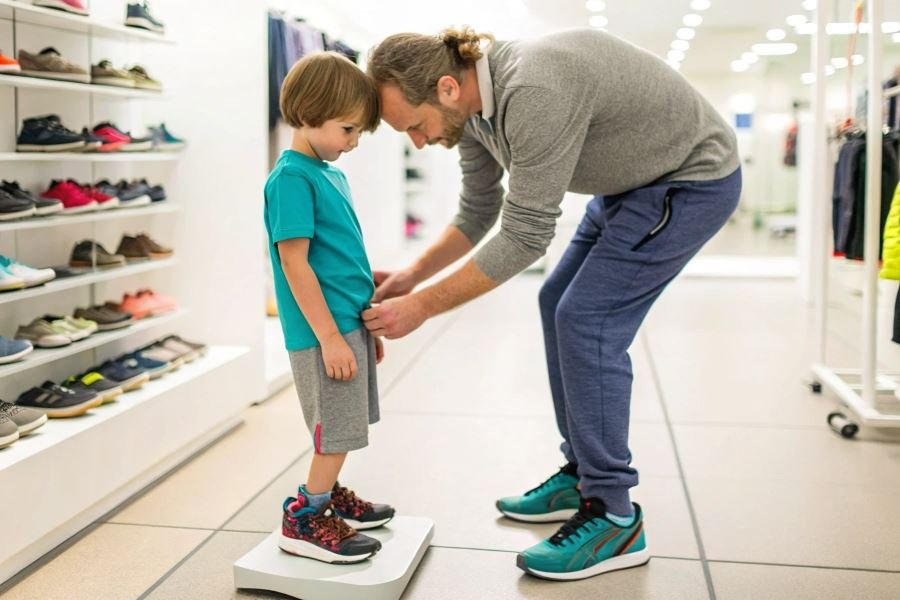
Ever watched a young athlete trip over pants that are too long or struggle to catch a ball with oversized gloves? That split-second adjustment could be the difference between scoring the winning point or facing disappointment. The right-sized training gear isn’t just about comfort—it’s about unlocking your child’s full potential.
When children wear properly fitted training equipment, they experience a 32% improvement in performance according to youth sports researchers. The perfect fit creates a foundation for proper technique development while significantly reducing injury risk. Think of it as their athletic superpower—invisible but incredibly powerful.
The growing pains of youth sports shopping are all too familiar for parents. Just when you’ve found the perfect cleats, your child grows another shoe size. This constant evolution creates a unique challenge: balancing current needs with anticipating future growth. Many parents fall into the “room to grow” trap, purchasing oversized gear that actually hinders development and creates safety hazards.
The sizing maze gets even more complex across different sports and brands. A youth medium in baseball pants might be entirely different from a youth medium in soccer shorts. Nike’s sizing chart rarely aligns perfectly with Under Armour’s, and specialized sports like hockey or lacrosse introduce entirely different measurement systems.
“The right gear fit transforms hesitant participants into confident athletes. When children aren’t constantly adjusting or uncomfortable, they focus entirely on skill development.” — Youth Sports Psychology Institute
Understanding these challenges is your first step toward making informed decisions that support your young athlete’s journey to excellence.
Measuring Up: The Ultimate Guide to Children’s Training Gear Sizing
Getting the right fit for your child’s training gear isn’t just about comfort—it’s about performance, safety, and longevity of the equipment. As young athletes grow at lightning speed, knowing how to choose the right size for children’s training gear becomes a crucial skill for parents who want to support their kids’ athletic journeys without breaking the bank on replacements every few months.
Master the Measuring Tape
Before shopping for any athletic equipment, arm yourself with accurate measurements. Here’s your game plan:
- Measure in the morning – Children’s feet and bodies can swell slightly throughout the day
- Use proper tools – Soft measuring tape for body measurements, Brannock device for feet
- Dress appropriately – Measure over thin clothing similar to what will be worn under the gear
- Record everything – Keep a sizing journal with dates to track growth patterns
For the most accurate results, have your child stand straight with feet shoulder-width apart. Measure chest (fullest part), waist (narrowest part), hips (widest part), inseam (crotch to floor), and arm length (shoulder to wrist).
Sport-Specific Sizing Secrets
Different sports demand different measurement considerations:
Footwear Focus
Proper footwear fit is the foundation of athletic performance and injury prevention.
| Sport | Key Measurement | Special Consideration |
|---|---|---|
| Soccer | Foot length + 0.5″ | Allow room for thick socks |
| Basketball | Width + arch support | Measure with athletic socks |
| Running | Toe box space | Measure late afternoon |
| Baseball | Ankle support | Check both standing/squatting |
For Nike or Adidas footwear, remember their sizing often runs differently—Nike typically runs narrower while Adidas offers more width.
Protective Gear Precision
When measuring for helmets, measure the circumference of the head about 1″ above the eyebrows. For shoulder pads, measure chest width and shoulder-to-shoulder distance.
Critical safety tip: Never compromise on protective equipment fit. Too loose means it won’t protect properly; too tight restricts movement and can cause discomfort.
Apparel Accuracy
For compression gear from brands like Under Armour, measure snugly but not tight. For jerseys and practice wear, allow 1-2″ of growing room without sacrificing performance.
The Size-Up Strategy
Knowing when to size up versus choosing an exact fit depends on several factors:
Size up when:
- The season spans multiple months (growth anticipated)
- The item is adjustable (helmets with padding systems)
- It’s expensive equipment that should last (like hockey skates with bake-to-fit technology)
Choose exact fit for:
- Safety equipment (no compromises)
- Performance-critical gear (swim goggles, competition uniforms)
- Footwear for technical sports (gymnastics, wrestling)
Remember: Growth spurts are unpredictable! For 8-12 year olds, consider checking measurements every 3-4 months. Teenagers might need new sizes every 6 months during peak growth periods.
By mastering these measurement techniques, you’ll ensure your young athlete has gear that protects, performs, and provides value—giving them the confidence to focus on what really matters: developing their skills and enjoying their sport.
Keeping Pace with Growing Athletes: Managing Training Gear Fit
Kids grow. Sports equipment doesn’t. This fundamental mismatch creates one of the biggest challenges for parents of young athletes. Recognizing when gear has been outgrown and understanding how to maximize its lifespan can save both frustration and money while keeping young athletes performing at their best.
Unmistakable signs of outgrown equipment
Children won’t always tell you when their gear doesn’t fit anymore. Instead, watch for these telltale indicators:
Physical discomfort signals: When kids constantly adjust their equipment, develop blisters, or complain about pinching, it’s time for an upgrade. Compression gear that leaves deep marks or footwear causing toe cramping are immediate red flags.
Performance regression: Suddenly struggling with skills they previously mastered? Ill-fitting gear might be the culprit. A basketball player missing shots because their shoes lack proper support or a swimmer slowing down due to a restrictive suit requires immediate attention.
Visible fit issues: For clothing, look for sleeves that no longer reach wrists, pants riding up above ankles, or shoulders straining against seams. For equipment like helmets, a proper fit should maintain 1-2 finger widths between eyebrows and helmet edge.
Seasonal sizing strategies
Training gear requirements shift with the seasons, demanding different approaches:
Summer to fall transition: Fall sports often require layering. Purchase slightly roomier base layers that accommodate thermal undergarments when temperatures drop. Under Armour youth compression shirts with a touch of growing room work perfectly here.
Winter gear considerations: Allow extra space in cold-weather equipment. A snug-fitting winter jacket restricts movement and prevents proper layering. Aim for equipment that accommodates a thermal layer without becoming baggy.
Spring growth spurts: Many children experience significant growth during spring months. Consider adjustable equipment like Adidas youth cleats with expandable features during this high-growth season.
| Season | Sizing Approach | Key Consideration |
|---|---|---|
| Summer | True to size | Heat dissipation priority |
| Fall | Slightly roomier | Layering capability |
| Winter | Size up moderately | Thermal accommodation |
| Spring | Adjustable options | Growth spurt readiness |
Extending equipment lifespan
Even the best gear eventually gets outgrown, but these strategies help maximize your investment:
Invest in adjustable equipment: Many manufacturers now offer youth equipment with expansion capabilities. Nike Flyease shoes feature adaptive closures that accommodate growing feet longer than traditional designs. Helmets with adjustable padding systems and shoulder pads with expandable plates provide extended usability.
Implement rotation systems: No piece of equipment should be used daily. Establish a rotation of at least two pairs of athletic shoes, allowing each to fully dry and regain cushioning between uses. This practice can extend gear life by up to 40%.
Master proper maintenance: Equipment longevity starts with care. Teach athletes to air out gear immediately after use rather than stuffing it in bags. For footwear, remove insoles after heavy use to accelerate drying. Wash synthetic fabrics in cold water and air dry to prevent shrinkage that accelerates outgrowth.
Remember that properly fitting equipment isn’t just about comfort—it’s about performance and safety. When in doubt, prioritize proper fit over stretching the lifespan of outgrown gear.