
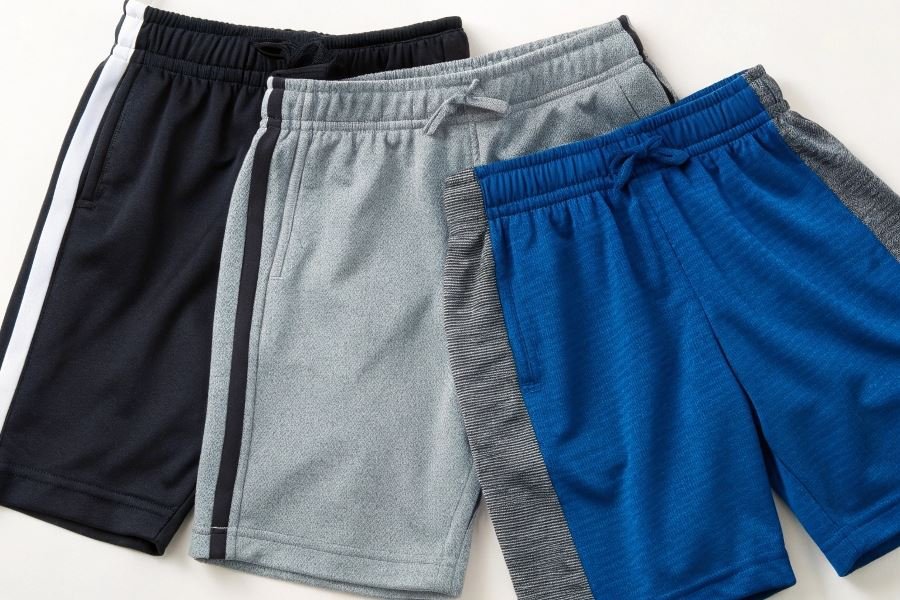
Did you know that nearly 25% of children experience some form of skin reaction to standard athletic wear? That red rash appearing after soccer practice isn’t just from exertion—it might be your child’s skin crying out for better materials.
When young athletes hit the field, court, or track, their sensitive skin faces a perfect storm of challenges. Sweat activates chemical compounds in fabrics, friction creates irritation points, and synthetic materials trap heat against delicate skin. The result? Anything from mild discomfort to painful rashes that can sideline even the most enthusiastic young competitors.
The skin barrier in children is approximately 30% thinner than in adults, making them particularly vulnerable to irritants commonly found in standard sports apparel. Materials like conventional polyester, certain dyes, formaldehyde-based wrinkle resistors, and rubber accelerants in elastic components can transform a simple practice session into an uncomfortable experience.
The hidden allergens in everyday sports gear
Traditional sports tops often contain surprising irritants:
- Formaldehyde resins (for “wrinkle-free” properties)
- Disperse dyes (particularly blues and reds)
- Antimicrobial finishes with triclosan
- Latex components in elastic bands
Why specialized athletic wear matters
For children with eczema, contact dermatitis, or general skin sensitivities, proper sports clothing isn’t just about comfort—it’s about enabling participation. When a child can move, sweat, and compete without skin distractions, they develop confidence in their athletic abilities rather than focusing on discomfort.
The good news? Advances in textile technology have created breathable, moisture-wicking fabrics specifically designed for sensitive skin, allowing all children to experience the joy of sports without the aftermath of irritation.
The Fabric Revolution: Hypoallergenic Materials Changing Youth Athletics
When your young athlete hits the field, what’s touching their skin matters just as much as their skill level. The evolution of hypoallergenic materials in children’s sports tops has transformed how kids experience athletics, especially for the 6 million American children battling skin sensitivities and allergies. These innovative fabrics don’t just prevent reactions—they actively enhance performance through advanced moisture management and temperature regulation.
Organic Cotton: Nature’s Performance Fabric
Organic cotton stands as the gold standard in hypoallergenic materials in children’s sports tops, offering a perfect balance of comfort and functionality. Unlike conventional cotton, organic varieties are cultivated without synthetic pesticides or fertilizers, eliminating potential irritants before the first thread is spun.
Performance benefits that matter:
- 60% more absorbent than synthetic alternatives
- Natural temperature regulation keeps kids cool during intense activity
- Breathable weave prevents heat rash during summer training sessions
The difference becomes apparent during extended wear. While standard cotton becomes heavy with moisture, athletic-grade organic cotton maintains its structure through proprietary weaving techniques that enhance durability without sacrificing the natural hypoallergenic properties.
Bamboo Fabric: Nature’s High-Tech Solution
Bamboo fabric represents perhaps the most impressive advancement in natural performance wear. This remarkable material grows from one of the world’s most sustainable plants while delivering technical specifications that rival laboratory-created synthetics.
The bamboo advantage extends beyond comfort:
| Feature | Benefit | Comparison to Standard Materials |
|---|---|---|
| Moisture-wicking | 40% better absorption than cotton | Keeps skin 3-4° cooler during activity |
| Natural antimicrobial | Reduces odor-causing bacteria by 99.8% | Extends wear time between washes |
| UV protection | UPF 40+ rating | Protects sensitive skin during outdoor training |
The natural antimicrobial properties of bamboo come from a bio-agent called “bamboo kun” that remains in the fabric even after processing. This means Boody and other bamboo-focused brands can create tops that naturally resist bacterial growth without chemical treatments that might trigger reactions.
TENCEL™ and Lyocell: The Sustainable Performance Revolution
When Austrian company Lenzing developed TENCEL™ lyocell fibers, they created a game-changer for sensitive skin. These cellulose-based fibers derived from sustainable wood sources offer a remarkable combination of environmental benefits and performance characteristics.
Why coaches and parents are making the switch:
- Microscopic fibrils create a perfectly smooth surface that won’t irritate even the most sensitive skin
- 50% greater moisture management than cotton prevents the wet-shirt discomfort that distracts young athletes
- Biodegradable composition means these performance tops won’t linger in landfills for centuries
The production process for TENCEL™ and other lyocell fibers uses a closed-loop system that recycles 99.8% of the solvents used, making it not just kind to skin but to the planet as well. The resulting fabric feels silky-smooth against the skin while maintaining excellent durability through countless training sessions and wash cycles.
For young athletes pushing their limits, these advanced hypoallergenic fabrics don’t just prevent reactions—they actively enhance performance through superior moisture management, temperature regulation, and unmatched comfort during movement. The days of choosing between performance and skin health are firmly behind us.
Winning the Battle Against Skin Irritation
Spotting true hypoallergenic champions
When your young athlete hits the field, the last thing they need is skin irritation slowing them down. Hypoallergenic sports tops aren’t just a luxury—they’re essential gear for sensitive skin warriors. The market is flooded with “hypoallergenic” claims, but not all fabrics deliver on their promises.
Look for certified organic cotton as your first line of defense. Unlike conventional cotton, organic varieties aren’t processed with harsh chemicals that can trigger reactions. Pact Organic offers exceptional children’s athletic basics that maintain breathability while being genuinely skin-friendly.
The fiber composition tells the real story. Premium hypoallergenic tops typically feature:
- TENCEL™ lyocell – derived from sustainable wood sources
- Bamboo viscose – naturally antimicrobial and incredibly soft
- Modal blends – exceptional moisture management with minimal irritation potential
Avoid tops with tags that can scratch and irritate. Many premium brands like Athleta Girl now offer tagless designs with information printed directly on the fabric.
The seam construction in hypoallergenic wear is just as important as the fabric itself. Flat-lock seams prevent chafing during high-intensity movement.
Preserving the protective power
Even the most premium hypoallergenic top can lose its skin-friendly properties with improper care. The preservation process starts in your laundry room.
Always wash new tops before first wear to remove manufacturing residues that might cause irritation. Use fragrance-free, dye-free detergents specifically formulated for sensitive skin like Seventh Generation Free & Clear.
Maintain hypoallergenic integrity with this care routine:
| Care Step | Best Practice | Avoid At All Costs |
|---|---|---|
| Washing | Cold water, gentle cycle | Fabric softeners, dryer sheets |
| Drying | Low heat or air dry | High heat (damages fibers) |
| Storage | Clean, dry drawers | Plastic bags that trap moisture |
Pro tip: Vinegar works wonders as a natural fabric softener without the irritating chemicals. Add 1/4 cup to your rinse cycle to maintain fabric performance while eliminating odor-causing bacteria.
Recognizing retirement time
Even the highest quality hypoallergenic sports tops eventually lose their protective properties. Knowing when to replace them is crucial for maintaining skin health.
Watch for these telltale signs that it’s time for a replacement:
- Fabric pilling – those small balls of fiber indicate structural breakdown
- Stretched necklines or cuffs – compromises the fit and increases friction
- Persistent odor despite proper washing – indicates bacterial buildup in the fibers
- Visible thinning in high-friction areas like underarms
Most quality hypoallergenic tops maintain their protective properties through about 50-75 wash cycles when properly cared for. For the average young athlete, this translates to replacement every 6-12 months depending on usage frequency.
The cost of replacement is minimal compared to the discomfort and potential medical treatments for persistent skin irritation. Consider establishing a regular replacement schedule at the beginning of each sports season to ensure optimal protection when it matters most.