
Ever watched a child tug at an ill-fitting swimsuit while trying to build a sandcastle? That constant adjustment isn’t just annoying—it’s robbing them of precious beach moments and potentially compromising their safety. The right beachwear fit isn’t just about looking cute for those summer photos; it’s a game-changer for your child’s entire beach experience.
Parents across America face a peculiar puzzle when shopping for kids’ swimwear. That adorable 5T shirt that fits perfectly? It might translate to something entirely different in swimwear sizing. Unlike regular clothing that follows predictable growth patterns, beachwear sizing exists in its own universe with unique considerations for water activity, sun protection, and movement.
The swimwear sizing paradox is real—what fits in the changing room might behave completely differently after a dive into the waves. Children’s swimwear must account for both dry and wet conditions, with many fabrics expanding when soaked. Add to this the rapid growth spurts that can transform your child’s dimensions between spring shopping and summer vacation, and you’ve got a genuine sizing challenge.
“The difference between a good day at the beach and a miserable one often comes down to three inches of fabric in the right places.”
Beyond the tag: Why swimwear sizing differs
Unlike everyday clothes, beachwear must balance freedom of movement with secure coverage. Too tight, and it restricts activity and circulation; too loose, and you risk embarrassing slips or dangerous drag in the water. This delicate balance requires measurements and considerations that simply don’t apply to regular wardrobes.
Mastering the Measure: Getting Kids’ Beachwear Sizing Right
Let’s dive into the splash zone of children’s swimwear sizing! Nothing dampens a beach day faster than ill-fitting beachwear that rides up, sags down, or restricts movement when your little one is building sandcastles or catching waves. The secret to beach day bliss? Nailing those measurements before you shop.
Finding the perfect fit when choosing the size of beachwear for a child doesn’t have to be guesswork. With a measuring tape and a few minutes of your time, you can crack the code on those sometimes confusing size charts and ensure your child stays comfortable whether they’re splashing in the shallows or racing along the shoreline.
The Measurement Triple Threat
Accuracy is everything when measuring your child for beachwear. Here’s your game plan:
-
Chest measurement: Have your child stand naturally with arms relaxed at their sides. Wrap the measuring tape around the fullest part of their chest, keeping the tape parallel to the floor. Don’t pull too tight—you want a comfortable, not compressed, measurement.
-
Waist measurement: Find the natural waistline (usually around the belly button). Wrap the tape measure around, ensuring it’s snug but not digging into the skin.
-
Hip measurement: Measure around the fullest part of the buttocks with feet together, keeping the tape measure level.
Pro tip: For wiggly kids, measuring over lightweight, form-fitting clothes can help you get more accurate readings without the squirm factor!
Decoding Brand Size Charts Like a Pro
Size charts aren’t created equal—what’s a size 6 at Gap might be a 5 at Speedo or a 7 at Target. Here’s how to navigate this sizing maze:
| Measurement | Why It Matters | Watch Out For |
|---|---|---|
| Chest | Critical for one-pieces and rashguards | European brands often run smaller |
| Waist | Essential for swim trunks and bottoms | Elastic quality affects comfort |
| Hip | Important for girls’ swimwear | Some brands size by age, not measurements |
Always prioritize actual measurements over age recommendations. A “fits ages 4-5” label is merely a starting point—your child’s unique proportions tell the real story.
Growth Factor: Sizing for Seasons and Spurts
Kids grow—sometimes overnight, it seems! When investing in quality beachwear, consider:
-
The 80/20 rule: Beachwear should fit at 80% now with 20% room for growth, especially for items you’ll use across multiple seasons.
-
Adjustable features win: Look for swimwear with adjustable straps, drawstring waists, or tie-backs that can adapt as your child grows.
-
Season spanning: If purchasing in early summer, consider sizing up slightly for late-season use when your child may have grown an inch or two.
Remember that UV protective swimwear should fit more snugly than regular clothing—too loose and it can lose some sun protection when stretched in water.
For competitive swimmers or serious beach athletes, err on the side of a more precise fit. For casual beach days and pool splashing, a bit of growing room (without sacrificing safety) makes economic sense.
Armed with these measurements and insights, you’re ready to conquer the kids’ swimwear section with confidence. Your reward? A child who’s comfortable, protected, and ready for maximum fun in the sun!
Finding the Perfect Fit: Beachwear Sizing for Active Kids
Let’s dive into the splash zone of children’s beachwear sizing! Getting the right fit isn’t just about comfort—it’s about freedom of movement, sun protection, and keeping those beach days tantrum-free.
Mastering Adjustable Features
The secret weapon in children’s beachwear? Adjustability. Most quality swimwear comes equipped with features that accommodate growth spurts and different body shapes:
Adjustable straps work wonders for one-piece suits and tankinis. Look for straps with at least 1-2 inches of adjustment range and sturdy plastic sliders that won’t slip during active play.
Elastic waistbands provide that crucial wiggle room kids need. The best ones stretch up to 30% beyond their resting size without losing shape—perfect for those in-between growth stages.
Drawstrings are non-negotiable for board shorts and swim trunks. A properly designed drawstring should:
- Extend through the entire waistband
- Have sealed ends to prevent fraying
- Tie securely without digging into skin
The most versatile beachwear pieces grow with your child through at least one size change, saving both frustration and money over a summer of adventures.
The Try-On Test: Beyond the Size Tag
Size charts are starting points, not gospel. When trying beachwear on your child, follow this quick assessment:
-
The Squat Test: Have your child squat down. No pulling, riding up, or uncomfortable tightness? You’re on the right track.
-
The Raise Test: Arms up! If the top rides up excessively or straps dig in, size up.
-
The Pinch Test: Gently pinch the waistband. You should be able to pinch about 1 inch of fabric—any more is too loose, any less too tight.
For rash guards and sun shirts, ensure you can fit two fingers between the fabric and your child’s skin at the neck, wrists, and torso.
Body Types and Activity-Specific Recommendations
Different body types and activities call for specialized approaches:
| Body Type | Best Beachwear Styles | Features to Look For |
|---|---|---|
| Tall/Slim | Board shorts with adjustable waist, tankinis with longer tops | Drawstring waists, longer torso measurements |
| Solid/Athletic | Two-piece styles with mix-and-match sizing, athletic cuts | Four-way stretch fabric, reinforced seams |
| Shorter Torso | Separate tops and bottoms, swim shorts with lower rise | Adjustable shoulder straps, mid-rise bottoms |
For the little water enthusiasts who never stop moving, prioritize performance features:
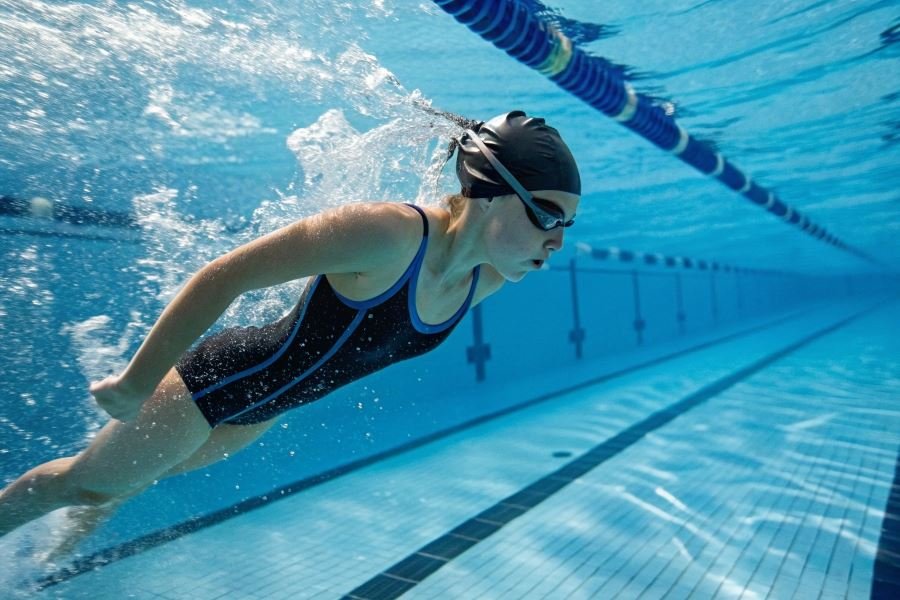
For swimmers: Racing-style suits from Speedo offer compression without restriction. Size down only if your child is between sizes and competing.
For beach play: Look for suits with UPF 50+ protection and quick-dry fabrics. Lands’ End offers excellent options with generous sizing that accommodates growth.
For water sports: Board shorts with bonded seams and rash guards with slightly looser fits prevent chafing during extended activity. O’Neill designs specifically account for the twisting and paddling movements of young surfers.
Remember that most children’s beachwear should fit slightly looser than everyday clothing—tight enough to stay put during cannonballs, but roomy enough for that ice cream cone afterward. The perfect fit means your child forgets they’re even wearing it, leaving them free to create those unforgettable summer memories.