
Ever watched a young wrestler slip on the mat during a crucial moment? That split-second loss of traction can mean the difference between victory and defeat. Behind many of these moments lies an often overlooked culprit: improperly fitted wrestling shoes.
For parents navigating the world of youth wrestling, understanding what size of wrestling shoes to choose for a child’s growing foot isn’t just about comfort—it’s about performance, injury prevention, and maximizing your investment. Children’s feet grow at astonishing rates, with the average child experiencing growth spurts that can add up to half a shoe size every 2-3 months during peak periods.
The wrestling shoe paradox is real: too tight and you risk circulation problems and discomfort; too loose and performance suffers while injury risk skyrockets. Unlike casual footwear, wrestling shoes serve as essential equipment that directly impacts your young athlete’s ability to execute techniques with precision.
Children’s foot development follows predictable patterns, but with individual variations that matter. Most experience rapid growth between ages 8-13, with boys typically continuing growth longer than girls. This biological reality creates a challenging equation for parents investing in specialized footwear.
Three factors should guide your selection process:
- Current fit with room for growth (approximately 1/2 inch of toe room)
- Frequency of competition (more frequent participation may justify more frequent replacements)
- Support requirements based on your child’s specific foot structure and wrestling style
Remember: properly fitted wrestling shoes aren’t just equipment—they’re your child’s foundation for success on the mat.
Getting the Perfect Fit: Wrestling Shoes for Growing Feet
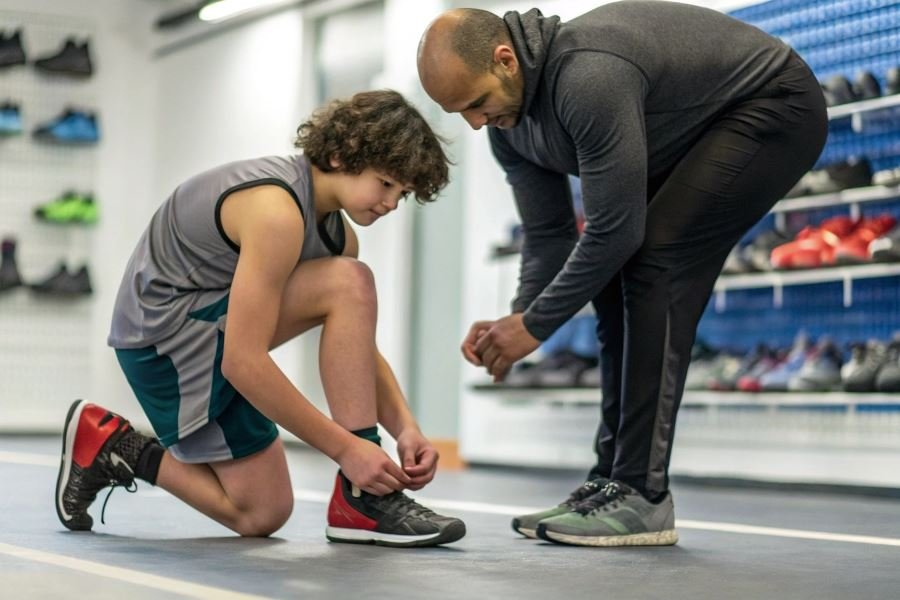
Let’s face it – nothing ruins a young wrestler’s focus faster than ill-fitting shoes. When your child is on the mat, every grip, pivot, and stance matters. Finding the right size wrestling shoes for a child’s growing foot requires precision, patience, and a bit of forward thinking. The difference between a perfect fit and “close enough” can impact both performance and injury prevention.
Determining what size of wrestling shoes to choose for a child’s growing foot starts with understanding that wrestling footwear differs significantly from everyday shoes. Wrestling shoes should fit snugly like a second skin while allowing just enough room for natural foot development. This balance is crucial for young athletes whose feet might grow a half-size or more during a single season.
Measuring Like a Pro
Start with these essential steps to get accurate measurements:
- Measure late in the day when feet are naturally at their largest
- Have your child stand with weight evenly distributed
- Measure both feet (most people have one foot slightly larger)
- Measure length from heel to longest toe
- Measure width at the broadest part of the foot
Pro tip: Use a proper foot measuring device (Brannock Device) for best results, but a piece of paper, pencil, and ruler work in a pinch.
Decoding Size Charts Across Brands
Wrestling shoe sizes can vary significantly between manufacturers, making standardized charts essential tools in your selection process.
| Brand | US to EU Conversion | Typical Fit Characteristics |
|---|---|---|
| Asics | US size + 33 = EU size | Runs narrow, size up ½ size |
| Nike | US size + 33 = EU size | True to size, snug midfoot |
| Adidas | US size + 33 = EU size | Runs wide, consider sizing down |
Remember: Youth sizes typically run from US 1-7, while adult sizes start at US 7.5. Many youth wrestlers transition to adult sizes around age 12-14.
The Growth Factor: Room to Grow Without Compromise
Finding the sweet spot between current comfort and future growth is the ultimate challenge. Here’s how to nail it:
- ¼ to ½ inch allowance is ideal for most young wrestlers
- Thumb width between longest toe and shoe end provides adequate room
- Heel grip must remain secure even with growth allowance
- Width comfort is non-negotiable – no pinching or excessive pressure
Wrestling shoes with adjustable lacing systems like those from Rudis or Cliff Keen can accommodate slight width changes as feet grow.
Safety warning: Excessive growth allowance (more than ½ inch) compromises stability and increases injury risk. Wrestling demands precise foot placement – shoes that are too large can cause slipping or ankle rolls during critical moments.
For tournament-level competitors, consider seasonal reassessment of shoe size. The minimal additional cost of properly fitted equipment pales compared to the potential performance advantages and injury prevention benefits.
By following these guidelines, you’ll ensure your young wrestler steps onto the mat with confidence, comfort, and the technical advantage that comes from properly fitted equipment – setting them up for success from the ground up.
Growing Feet, Growing Champions: Smart Strategies for Wrestling Shoe Sizing
Let’s face it—nothing tests a parent’s patience (and wallet) quite like a child’s rapidly growing feet during wrestling season. One month they’re snug in their shoes, the next they’re complaining about toe pain mid-practice. But with some strategic planning, you can navigate this challenge without compromising performance or breaking the bank.
The Size-Up Decision Matrix
When exactly should you size up versus replace those wrestling shoes entirely? The answer lies in understanding the warning signs:
Size up when:
- Your child complains about toe pressure at the front of the shoe
- You can feel less than a thumb’s width of space at the toe
- The shoe upper begins to stretch noticeably at stress points
- Performance starts declining during longer practices
Replace entirely when:
- The sole shows significant wear patterns affecting traction
- Support structures have broken down (particularly around the ankle)
- The lacing system no longer provides secure lockdown
- Your child has grown more than 1.5 sizes since purchase
Remember that wrestling shoes should fit more snugly than everyday footwear, but never cause discomfort or restrict circulation. A properly sized wrestling shoe provides just enough room for growth without sacrificing the crucial foot control needed on the mat.
Timing Your Purchases Strategically
The when of purchasing wrestling footwear can be just as important as the what. Consider this seasonal approach:
| Season Phase | Purchasing Strategy | Benefit |
|---|---|---|
| Pre-season (2-3 weeks before) | Primary shoe purchase | Break-in period before competition |
| Mid-season | Assessment checkpoint | Catch growth issues before championships |
| End-of-season | Clearance opportunities | Cost savings on quality models |
| Off-season | Size-up for next year | Maximum wear time for growing feet |
Many experienced wrestling families find that purchasing slightly larger shoes about 3-4 weeks before the season’s end provides the perfect runway into the next season. This timing often coincides with retailer discounts as new models arrive.
Cost-Effective Growth Accommodation
Wrestling at a competitive level doesn’t have to drain your savings account. Consider these budget-friendly approaches:
The Two-Shoe Rotation System
Maintain two pairs in different sizes—one that fits perfectly now and one slightly larger for mid-season growth spurts. This approach extends the life of both pairs and provides backup during tournament weekends.
Strategic Brand Selection
Entry-level models from premium brands like ASICS or Nike often provide better support than top-tier models from lesser-known manufacturers. Focus on fundamentals: ankle support, sole flexibility, and secure closure systems.
Resale Networks
Connect with local wrestling clubs to establish shoe exchange programs. Many families have barely-used shoes their children have outgrown. Just ensure proper disinfection before use.
Adjustable Options
Some newer wrestling shoe models feature innovative lacing systems that accommodate slight growth without sacrificing security. These might cost more initially but extend usable lifespan significantly.
The ultimate goal is balancing proper foot support with practical economics. Remember that ill-fitting wrestling shoes aren’t just uncomfortable—they can affect technique development and increase injury risk. By planning purchases strategically and understanding when to size up versus replace, you’ll keep your young wrestler performing at their best while managing the inevitable growth spurts that come with youth athletics.