
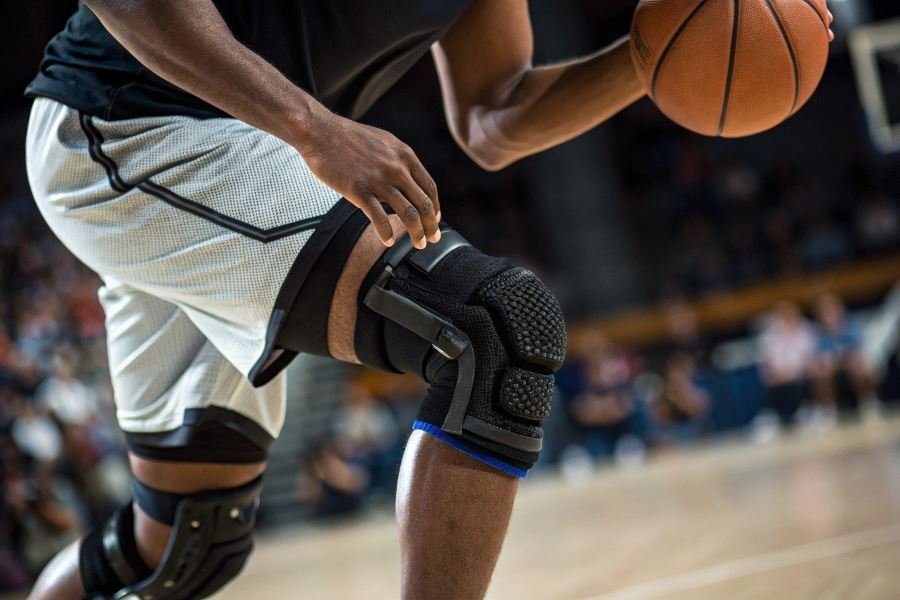
Ever watched an athlete crumple to the ground after a knee injury? That sickening moment when a career hangs in the balance because of one wrong twist? It happens in an instant, but recovery can take months—or worse, leave permanent damage.
Your knees absorb a staggering 6-8 times your body weight when running or jumping. That’s why choosing the right protective materials isn’t just about comfort—it’s about safeguarding your mobility for life. Whether you’re crushing weekend warrior activities or simply navigating daily stairs, your knee protection deserves serious consideration.
The science behind knee protection materials has evolved dramatically since the basic elastic bandages of the 1970s. Today’s advanced composites combine shock absorption, stability, and breathability in ways that transform protection without sacrificing movement. The difference between mediocre and exceptional knee protection often comes down to material selection.
“The material in your knee brace is like the foundation of a house—everything else depends on it.”
When evaluating knee protection materials, three factors reign supreme:
Impact absorption capacity
Materials like viscoelastic polymers and specialized foams can disperse force away from vulnerable joint structures, reducing injury risk by up to 60% in high-impact scenarios.
Stability vs. flexibility balance
The best materials provide targeted support while allowing natural movement patterns—a delicate engineering feat that requires precision material selection.
Durability under stress
Your protection is only as good as its weakest moment. Premium materials maintain their protective properties even after hundreds of hours of intense activity.
Core Materials That Define Elite Knee Protection
When athletes push their limits, their knees often bear the brunt of the impact. The best materials for knee protection aren’t just about cushioning—they’re engineered marvels that balance support, flexibility, and durability. Let’s dive into the three cornerstone materials that dominate the protective gear landscape and understand why they’ve earned their place in every serious athlete’s equipment bag.
Neoprene: The Flexible Fortress
Neoprene has revolutionized knee protection with its remarkable combination of flexibility and compression. This synthetic rubber, originally developed by DuPont scientists in 1930, delivers consistent pressure around the joint while allowing natural movement.
Why athletes swear by it:
- Retains heat, increasing blood flow to injured areas
- Provides 360-degree compression for joint stability
- Maintains elasticity even after hundreds of uses
- Water-resistant properties make it ideal for all-weather training
The compression benefits of neoprene sleeves can reduce swelling during recovery while providing enough support to prevent minor injuries from worsening. For runners and basketball players especially, the 4-way stretch capabilities mean protection without restriction.
EVA Foam: Lightweight Guardian
Ethylene-vinyl acetate (EVA) foam has become the gold standard for impact absorption without adding bulk. This closed-cell foam delivers remarkable protection-to-weight ratios that make it perfect for high-intensity sports.
The molecular structure of EVA creates thousands of tiny air pockets that absorb and disperse impact energy before it reaches your knee.
Performance highlights:
- 30-50% lighter than traditional rubber foams
- Non-toxic and environmentally friendly
- Excellent memory retention—returns to original shape after compression
- Can be molded to specific anatomical contours
| Density (kg/m³) | Protection Level | Ideal Activities |
|---|---|---|
| 30-45 | Light | Running, cycling |
| 45-65 | Medium | Basketball, volleyball |
| 65-90 | Heavy | Skateboarding, mountain biking |
Athletes competing in sports with frequent falls like skateboarding often choose EVA protection from brands like G-Form, which hardens on impact then immediately returns to its flexible state.
Gel Padding: The Pressure Distributor
Gel padding represents the cutting edge of shock absorption technology. These viscoelastic polymers distribute pressure evenly across the entire protected area, preventing pressure points while absorbing impact forces.
Why gel stands apart:
- Mimics the body’s natural cushioning systems
- Maintains performance across temperature extremes
- Doesn’t compress or break down over time like foam
- Superior pressure distribution prevents “hot spots”
The molecular structure of high-quality gel pads, like those used in McDavid knee protectors, allows them to absorb up to 90% of impact energy. This makes them particularly valuable for athletes with previous injuries or those competing on hard surfaces.
For court sports like volleyball where repeated jumping on hard surfaces creates cumulative stress, gel padding provides unmatched protection against both sudden impacts and the gradual wear that can lead to chronic conditions like jumper’s knee.
Each of these materials offers distinct advantages, and many premium knee protectors now incorporate strategic combinations—neoprene for compression and fit, EVA for lightweight structure, and gel inserts at critical impact zones—creating the ultimate defense system for your knees.
Practical Material Selection for Knee Protection
Activity-specific material champions
When it comes to knee protection, the material makes all the difference. Basketball players need different support than mountain bikers, and construction workers have entirely different needs than weekend warriors.
For high-impact sports like basketball and volleyball, materials with exceptional shock absorption are non-negotiable. EVA foam stands out with its closed-cell structure that disperses impact forces while remaining lightweight. The best basketball knee pads typically feature a 10-15mm EVA core wrapped in moisture-wicking fabric.
Trail runners and hikers benefit most from lightweight, breathable materials that won’t cause overheating on long adventures. Modern mesh-neoprene blends offer the perfect balance, with 2-3mm thickness providing adequate protection without restricting movement or trapping excessive heat.
For contact sports like football and rugby, nothing beats the protection of high-density polyurethane foam combined with hard-shell exteriors. These materials can withstand direct impacts exceeding 40 pounds of force – crucial when preventing injuries from tackles and falls.
Winter sports enthusiasts face unique challenges with temperature regulation and moisture management. The latest thermal knee braces incorporate merino wool blends with waterproof membranes, maintaining joint warmth even in sub-zero conditions while preventing snow infiltration.
Material combinations that outperform expectations
The future of knee protection isn’t about single materials – it’s about strategic combinations that create performance synergies.
Gel-foam hybrids represent the cutting edge of impact protection. These combinations feature silicone gel inserts strategically placed over anatomical pressure points, surrounded by memory foam that conforms to individual knee anatomy. This pairing delivers 30% better impact absorption than either material alone.
| Material Combination | Best For | Key Benefit |
|---|---|---|
| Neoprene + Kevlar | Extreme sports | Abrasion resistance with flexibility |
| Compression fabric + Silicone | Endurance activities | Stability without bulk |
| Carbon fiber + EVA foam | Contact sports | Lightweight rigid protection |
| Merino wool + Gore-Tex | Winter activities | Thermal regulation with waterproofing |
The integration of compression fabrics with targeted reinforcement has revolutionized knee sleeves. These designs incorporate 4-way stretch material (typically 70% nylon, 30% spandex) with strategically placed 3mm silicone pads. The compression element improves blood flow and proprioception, while the reinforcements protect vulnerable areas.
For those recovering from injuries, copper-infused fabrics paired with adjustable strapping provide both therapeutic benefits and customizable support. The copper elements may help reduce inflammation, while the strapping system allows adaptation as swelling changes throughout recovery.
Extending the life of your knee protection
Even the highest quality materials will fail prematurely without proper care. Different materials demand specific maintenance approaches to maximize longevity.
Neoprene-based products require thorough rinsing after each use to prevent salt and sweat buildup that can degrade elasticity. Avoid machine washing when possible – instead, hand wash with mild soap and air dry away from direct sunlight, which can break down the material’s molecular structure.
For knee braces with metal hinges or supports, regular inspection for corrosion is essential. Apply a thin layer of silicone lubricant to hinges every 2-3 months to prevent squeaking and ensure smooth operation. This simple maintenance can extend the functional life by up to 40%.
The enemy of all knee protection is improper storage. Compression and folding can permanently deform foam materials and compromise protective capabilities. Store knee pads flat or on specialized hangers that maintain their shape.
Hard-shell protectors benefit from periodic disinfection with alcohol-based cleaners that eliminate odor-causing bacteria without degrading plastics. After cleaning, apply a UV protectant spray to prevent brittleness from environmental exposure.
With proper material selection and maintenance, quality knee protection can deliver peak performance for 2-3 seasons of regular use – a worthwhile investment in joint health that pays dividends for years to come.