
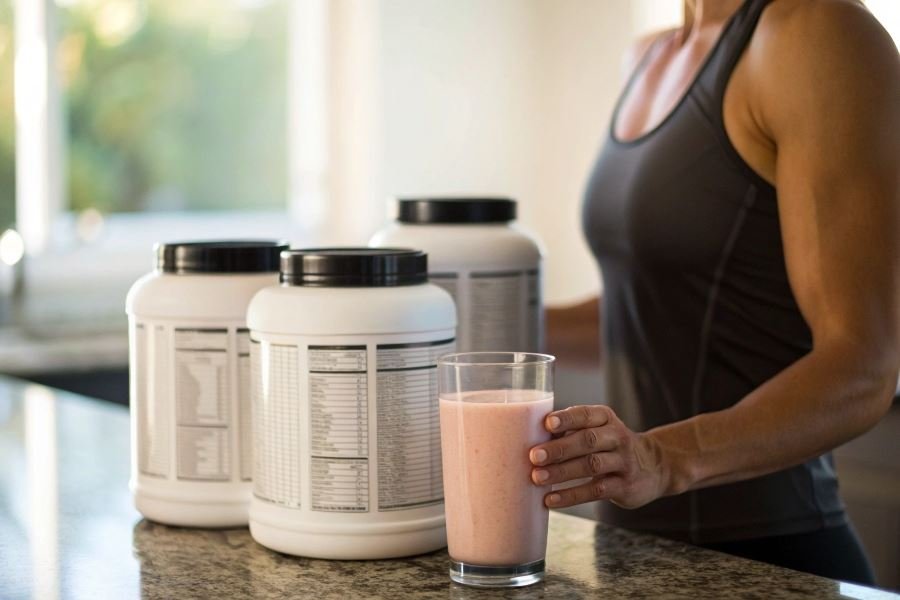
Ever wondered why your post-workout protein shake leaves you feeling bloated and uncomfortable? For nearly 68% of the global population, lactose intolerance isn’t just a minor inconvenience—it’s a daily reality that can derail fitness goals and athletic performance.
Lactose-free protein options have revolutionized the supplement landscape, creating pathways for everyone to access quality nutrition regardless of digestive limitations. These specialized formulations remove lactose—the sugar found in dairy that many bodies struggle to process—while preserving the muscle-building amino acid profiles athletes depend on.
Why your protein choice matters more than you think
For serious fitness enthusiasts, protein isn’t just another supplement—it’s the cornerstone of recovery and growth. Lactose intolerance forces many to choose between digestive comfort and optimal nutrition, a compromise no one should have to make.
The benefits extend beyond just avoiding discomfort. Many lactose-free proteins offer:
- Enhanced absorption rates compared to traditional dairy proteins
- Reduced inflammation markers in sensitive individuals
- Cleaner ingredient profiles with fewer additives
When evaluating lactose-free options, focus on three critical factors: protein quality (complete amino acid profile), digestibility score, and added ingredients. The highest-quality products deliver at least 20-25g of protein per serving with minimal fillers and artificial sweeteners.
“The right protein isn’t just about what’s in it—it’s equally about what’s not in it.”
Whether you’re training for performance or simply maintaining an active lifestyle, your protein supplement should work with your body, not against it.
The Ultimate Lactose-Free Protein Showdown
Protein powders have revolutionized how we fuel our bodies, but for those with lactose intolerance, finding the right supplement can feel like navigating a minefield. After testing dozens of products and consulting with sports nutritionists, I’ve compiled this lactose-free protein review of the best options currently dominating the market in 2025. Whether you’re training for your next marathon or simply looking to boost your daily protein intake without the digestive discomfort, these top contenders deserve your attention.
Plant Power: The Vegan Trifecta
Plant-based proteins have exploded beyond their niche market, and for good reason. The best formulations now rival animal proteins in amino acid profiles and digestibility.
Pea protein leads the pack with its impressive BCAA content. NOW Sports Pea Protein delivers 24g of protein per serving with a surprisingly smooth texture. What sets quality pea protein apart is its complete amino acid profile, particularly rich in arginine – fantastic for blood flow during intense training sessions.
Hemp protein deserves special recognition for sustainability warriors. While offering slightly less protein per serving (typically 15-20g), it compensates with omega-3 fatty acids and fiber that most other proteins lack. The earthy flavor works beautifully in green smoothies.
Rice protein completes the plant-based trinity, often appearing in blends to balance amino acid profiles. The best formulations undergo enzymatic processing to improve digestibility – look for products advertising “sprouted” rice protein for superior absorption.
Egg White Protein: The Unsung Hero
For those seeking animal-based alternatives without lactose, egg white protein stands tall as perhaps the most underrated option in the supplement world.
Biological Value (BV) comparison:
| Protein Source | Biological Value | Digestibility |
|---|---|---|
| Egg White | 100 | Excellent |
| Whey | 104 | Very Good |
| Pea | 65 | Good |
| Rice | 59 | Moderate |
Naked Egg offers a pristine formulation with zero additives – just pure, spray-dried egg whites delivering 25g protein per serving. The neutral flavor profile makes it incredibly versatile for both sweet and savory applications.
What truly distinguishes egg white protein is its perfect digestibility score and complete amino acid profile. It’s the gold standard against which other proteins are measured, containing all nine essential amino acids in ideal proportions for human muscle synthesis.
Hydrolyzed Whey Isolates: For The Dairy Devotees
For those who can tolerate minimal lactose, hydrolyzed whey protein isolates represent the pinnacle of protein supplementation technology.
Through advanced filtration and enzymatic pre-digestion, manufacturers like Dymatize ISO100 have created products containing less than 0.1g of lactose per serving – virtually undetectable for all but the most sensitive individuals.
What makes hydrolyzed whey isolates special:
- Pre-broken protein chains for lightning-fast absorption
- Virtually zero fat and carbohydrates
- Highest leucine content of any protein source (key for muscle protein synthesis)
- Exceptional mixability without blenders
The downside? Premium processing commands premium pricing, with top-tier hydrolyzed isolates often costing 30-50% more than standard whey concentrates.
For those seeking the biological advantages of whey without digestive distress, these ultra-filtered isolates offer the perfect compromise – delivering the muscle-building benefits of dairy without the bathroom emergency that typically follows.
Finding Your Perfect Lactose-Free Protein Match
When it comes to lactose-free protein, the difference between good results and great results often lies in choosing the right formula for your specific needs. Let’s cut through the noise and pinpoint exactly what makes certain options stand out from the crowd.
Nutritional Powerhouses and Absorption Champions
The nutritional profile of your protein isn’t just about protein content—it’s about the complete package. Plant-based options like Vega Sport typically deliver 30g of protein per serving alongside additional micronutrients that dairy-based options might lack. Meanwhile, whey isolates like Dymatize ISO100 offer exceptional leucine content—the amino acid most responsible for muscle protein synthesis.
Absorption rates vary significantly between protein types:
| Protein Type | Absorption Rate | Complete Amino Profile | Digestive Comfort |
|---|---|---|---|
| Whey Isolate | Very Fast (30-45 min) | Yes | High for lactose-intolerant |
| Pea Protein | Moderate (90-120 min) | Nearly Complete | Very High |
| Rice Protein | Moderate (90-120 min) | Incomplete | High |
| Hemp Protein | Slow (2+ hours) | Complete | Very High |
The faster absorption of whey isolate makes it ideal for post-workout recovery, while the slower digestion of plant proteins creates a more sustained amino acid release—perfect for between meals or before bed.
Value Beyond The Price Tag
Cost-effectiveness isn’t just about the price per container—it’s about what you’re actually getting for your money. Breaking it down to cost-per-gram of protein reveals some surprising truths:
- Premium whey isolates average $0.04-0.06 per gram of protein
- Plant-based blends typically range from $0.05-0.08 per gram
- Specialized formulas (added digestive enzymes, organic certification) can reach $0.10+ per gram
But true value extends beyond simple math. Orgain Organic might cost more per serving than some competitors, but its USDA organic certification and clean ingredient list provide value that budget options can’t match.
The best value isn’t always the cheapest option—it’s the one that delivers the specific benefits you need without unnecessary fillers or additives.
Tailored Recommendations For Your Fitness Journey
Your optimal protein choice should align perfectly with your specific goals:
For strength athletes and bodybuilders: Prioritize whey isolate or pea/rice blends with at least 25g protein per serving and a complete amino acid profile. NOW Sports Whey Protein Isolate delivers exceptional purity with minimal ingredients.
For endurance athletes: Look for options with added carbohydrates and electrolytes. Tailwind Nutrition Recovery offers a vegan formula specifically designed for endurance recovery needs.
For weight management: Seek higher protein-to-calorie ratios. Isopure Zero Carb provides 25g protein with just 100 calories per serving.
Those with multiple food sensitivities beyond lactose should consider hypoallergenic options like Growing Naturals Rice Protein, which avoids all major allergens.
The perfect lactose-free protein isn’t universal—it’s the one that fits seamlessly into your lifestyle, supports your specific goals, and works with your unique digestive system. By matching your needs to the right nutritional profile, considering true value rather than just price, and aligning with your fitness objectives, you’ll find a protein that doesn’t just work for you—it works with you.