
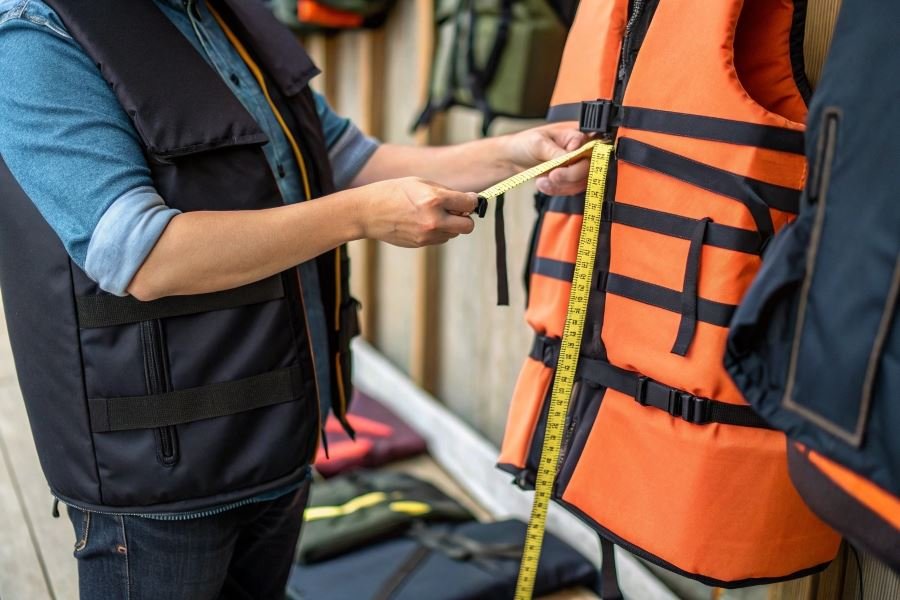
Ever stood at the water’s edge, safety device in hand, wondering if you’ve made the right choice? That split-second decision could literally be the difference between life and death when water conditions change unexpectedly.
Swimming vests and life jackets might seem interchangeable to the casual observer, but these water safety devices serve fundamentally different purposes. Swimming vests are primarily training aids designed to help users develop confidence and proper technique in the water. They provide moderate buoyancy while allowing freedom of movement—perfect for supervised swimming lessons or recreational pool activities. Life jackets, by contrast, are serious survival equipment engineered to keep your head above water even when unconscious, potentially for hours in rough conditions.
The evolution of these devices tells a fascinating story of innovation driven by tragedy. Modern life jackets trace their origins to Captain Ward’s cork vest, created after witnessing a devastating shipwreck in 1854. The Titanic disaster in 1912 further accelerated development and regulation. Today’s safety standards—established by organizations like the U.S. Coast Guard—classify personal flotation devices (PFDs) into five distinct types based on buoyancy, performance, and intended use environments.
“The right flotation device isn’t just about compliance—it’s about matching your activity with appropriate protection.”
Three critical differences separate these water safety tools:
- Buoyancy level: Life jackets provide 15-22 pounds of buoyancy versus 7-12 for swimming vests
- Body position: Life jackets flip unconscious wearers face-up; swimming vests don’t
- Application: Life jackets for survival in emergency situations; swimming vests for skill development in controlled environments
Understanding these distinctions isn’t just technical trivia—it’s essential knowledge for anyone heading into the water.
The Critical Divide: Swimming Vests vs Life Jackets
Design That Defines Safety
When you’re standing at the water’s edge, gear in hand, understanding the swimming vests: differences from life jackets can literally be a matter of life and death. These aren’t just different names for the same equipment—they’re fundamentally different tools designed for specific conditions and users.
Life jackets are built with one primary mission: keeping an unconscious person face-up in water. With bulkier designs featuring between 15.5-22 pounds of buoyancy, they’re engineered to flip an incapacitated wearer onto their back. The high-visibility colors (typically bright orange or yellow) aren’t just fashion statements—they’re designed for maximum visibility during rescue operations.
Swimming vests, by contrast, offer more mobility with less buoyancy (typically 7-12 pounds). They’re slimmer, more form-fitting, and designed for conscious wearers who need freedom of movement while maintaining some flotation assistance. Brands like O’Neill and Speedo have perfected designs that balance safety with performance.
Water Conditions Matter
Not all water scenarios are created equal. Life jackets are mandatory equipment for open water activities like offshore boating, commercial vessels, and situations where rescue might be delayed. They’re the non-negotiable choice for rough waters, ocean conditions, and situations where unconsciousness is a risk.
Swimming vests shine in controlled environments:
| Environment | Appropriate Device | Key Benefit |
|---|---|---|
| Swimming pools | Swimming vest | Enhanced mobility |
| Calm lakes | Swimming vest | Comfort during extended wear |
| Water sports | Sport-specific vest | Activity-optimized design |
| Open ocean | Life jacket | Maximum buoyancy & visibility |
| Rough waters | Life jacket | Self-righting capability |
For parents teaching children to swim, swimming vests provide that perfect balance—enough support to build confidence without creating dependency. They’re ideal companions for paddle boarding on calm lakes or supervised swimming lessons.
Certifications That Count
The regulatory landscape separating these devices is as distinct as their designs. Life jackets must meet rigorous standards set by the U.S. Coast Guard, with classifications including:
- Type I: Offshore life jackets (22 lbs buoyancy)
- Type II: Near-shore buoyant vests (15.5 lbs buoyancy)
- Type III: Flotation aids (15.5 lbs buoyancy)
- Type V: Special use devices (variable buoyancy)
Each type undergoes extensive testing for buoyancy retention, durability, and performance in various water conditions. The U.S. Coast Guard certification isn’t just a nice-to-have—it’s legally required for boating activities.
Swimming vests typically don’t carry these certifications because they aren’t designed as life-saving devices. Instead, they may have other quality assurances like UL (Underwriters Laboratories) testing or ISO standards compliance. This distinction is crucial: swimming vests are swimming aids, not safety equipment for emergency situations.
Legal requirements vary by state, but the general rule holds true nationwide: any vessel on open water requires Coast Guard-approved life jackets for all passengers. Swimming vests don’t satisfy this requirement, regardless of how comfortable or stylish they might be.
Understanding these fundamental differences ensures you’re not just making a purchase decision—you’re making a safety decision aligned with your specific water activities and conditions.
Making the Right Choice: Swimming Vests vs Life Jackets
When it comes to water safety, the difference between swimming vests and life jackets isn’t just technical jargon—it’s potentially life-saving knowledge. As someone who’s tested hundreds of personal flotation devices (PFDs) in everything from calm pools to choppy open water, I can tell you that choosing the right option matters tremendously.
Match your gear to your activity
The water environment dictates your flotation needs more than anything else. For recreational swimmers splashing around in controlled environments, swimming vests offer the perfect balance of buoyancy and freedom. These vests typically provide 8-12 pounds of buoyancy—enough to keep you afloat while allowing the natural body movements that make swimming enjoyable.
Life jackets, by contrast, are designed for boating scenarios where unconsciousness is a real risk. With 15-22 pounds of buoyancy, U.S. Coast Guard approved jackets are engineered to flip an unconscious person face-up—a critical feature when you’re miles from shore. They’re bulkier for good reason: they’re designed to save your life in worst-case scenarios.
Key difference: Swimming vests help you swim; life jackets keep you alive when you can’t.
Who’s wearing it matters enormously
Children, adults, and non-swimmers each have specific needs that dramatically affect which flotation device works best.
For children under 30 pounds, a Type II life jacket with head support is non-negotiable. These jackets feature a collar that keeps a child’s head above water—essential since young children lack the neck strength to maintain proper positioning in water.
Adults who are confident swimmers might prefer the mobility of swimming vests during activities like paddleboarding or water aerobics. However, non-swimmers should always opt for proper life jackets, regardless of the activity.
| User Type | Swimming Vest Appropriate? | Life Jacket Recommended? |
|---|---|---|
| Children (under 30 lbs) | No | Yes (Type II with collar) |
| Children (30-50 lbs) | For supervised pool use only | Yes (for all boating) |
| Adult Swimmers | Yes (recreational water activities) | Yes (boating, offshore) |
| Adult Non-Swimmers | No | Yes (all water activities) |
Top recommendations for common scenarios
Family Lake Day: The Stearns Puddle Jumper combines the comfort of a swimming vest with the safety features of a life jacket. Perfect for children 30-50 pounds learning to swim while giving parents peace of mind. Its design allows arm movement while keeping the child’s head above water.
Ocean Kayaking: Don’t compromise with a swimming vest here. The NRS Chinook fishing/paddling life jacket offers front-zip entry, multiple adjustment points, and pockets for essentials. The high-back design works perfectly with kayak seats while providing the 16+ pounds of buoyancy needed in unpredictable ocean conditions.
Pool Fitness: The Aqua Jogger buoyancy belt is the gold standard for deep water workouts. Unlike traditional vests, it positions buoyancy at your center of gravity, allowing natural swimming positions while providing enough support for extended water fitness sessions.
Remember that the best flotation device is the one you’ll actually wear consistently. Comfort matters, but never at the expense of appropriate safety for your specific water environment and swimming ability.