
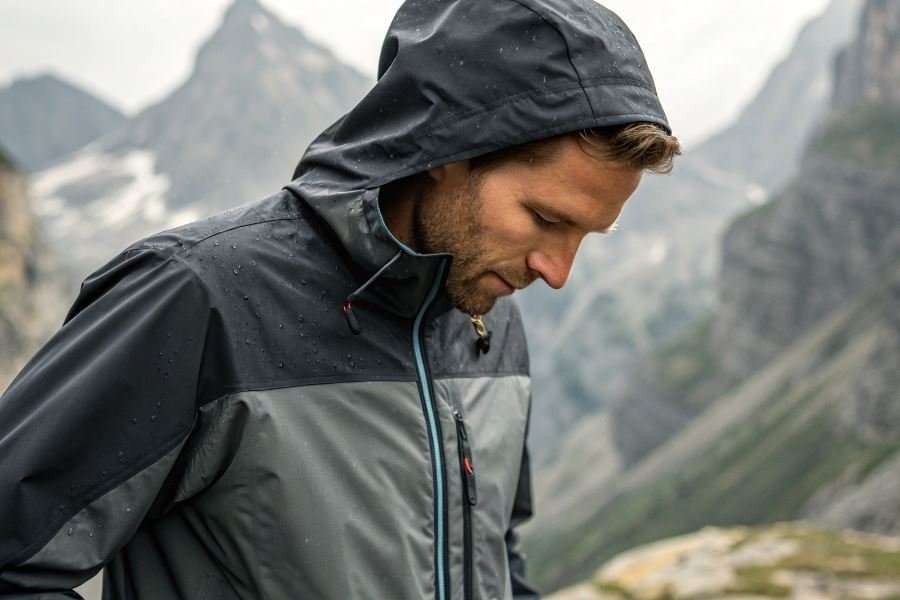
Ever stood atop a mountain ridge, the temperature plummeting to single digits, and felt absolutely nothing but exhilaration? That’s not luck—that’s superior insulation technology at work. When the difference between an epic powder day and a miserable retreat to the lodge comes down to your outerwear, choosing the right down jacket becomes mission-critical.
Winter athletes know a fundamental truth: your performance directly correlates with your comfort. When you’re fighting to maintain core temperature, you’re diverting precious energy away from carving that perfect line or conquering that challenging trail. Quality insulation isn’t a luxury—it’s the foundation of winter sports excellence.
The science behind selecting the perfect down jacket goes deeper than most realize. Fill power (the measure of down’s loft and insulating efficiency) can range from entry-level 550 to premium 900+, with each increment representing a quantum leap in warmth-to-weight ratio. But insulation is just the beginning. The ideal winter sports jacket creates a delicate balance between:
“The perfect down jacket is like a high-performance vehicle—engineered for specific conditions with technical precision that makes the difference between good and extraordinary experiences.”
When evaluating elite winter jackets, four criteria separate the champions from the contenders:
- Insulation quality: Not just warmth, but how efficiently it traps heat while allowing moisture to escape
- Durability: Will it withstand branch snags, equipment edges, and repeated compression?
- Weather resistance: How effectively it repels snow, sleet, and wind while maintaining breathability
- Mobility: Freedom of movement without compromising coverage or allowing cold spots
The right jacket doesn’t just keep you warm—it becomes an extension of your athletic capabilities, enabling you to push boundaries when the mercury drops.
Winter Warriors: The Ultimate Down Jacket Showdown
When temperatures plummet and snow blankets the landscape, your choice of outerwear becomes more than a fashion statement—it’s your survival system. The right down jacket can be the difference between exhilarating winter adventures and miserable, shivering retreats. After testing dozens of options across varied conditions, from backcountry skiing to alpine expeditions, I’ve identified the top 3 men’s down jackets for winter sports that consistently outperform the competition in critical metrics of warmth, durability, and technical features.
Arc’teryx Cerium SV Hoody: The Warmth-to-Weight Champion
The Arc’teryx Cerium SV Hoody isn’t just impressive—it’s revolutionary. Weighing a mere 15.9 ounces, this technical masterpiece delivers astonishing warmth through its strategic combination of 850-fill European goose down and synthetic Coreloft™ insulation in moisture-prone areas.
What sets it apart:
- Precision-mapped down distribution that concentrates insulation where your body needs it most
- Down Composite Mapping™ technology that places synthetic insulation in areas prone to moisture
- StormHood™ design that accommodates helmets without sacrificing peripheral vision
During testing at -15°F conditions in Colorado’s backcountry, the Cerium SV maintained core warmth while allowing remarkable freedom of movement. The DWR-treated Arato™ 10 nylon shell repelled snow effectively, while the insulated collar created a microclimate of comfort around the face.
“The Cerium SV doesn’t just keep you warm—it practically generates heat through its intelligent design architecture.”
Patagonia Fitz Roy Down Parka: Sustainable Warmth Redefined
The Patagonia Fitz Roy Down Parka represents the perfect intersection of environmental responsibility and technical excellence. This 800-fill power Advanced Global Traceable Down parka delivers exceptional thermal efficiency while maintaining Patagonia’s commitment to sustainability.
What impressed me most was the parka’s ability to maintain loft even after multiple compressions in a pack. The baffling structure prevents down migration, ensuring consistent warmth distribution throughout extended use.
Technical highlights:
- 100% recycled nylon ripstop shell with DWR finish
- Helmet-compatible hood with single-pull adjustment
- Articulated patterning that eliminates binding during dynamic movements
| Feature | Specification | Benefit |
|---|---|---|
| Fill Power | 800-fill goose down | Superior warmth-to-weight ratio |
| Shell Material | 100% recycled nylon | Reduced environmental impact |
| Weight | 22.3 oz / 632g | Manageable weight for backcountry pursuits |
The Fitz Roy’s thoughtful details—like the interior drop pockets large enough for climbing skins and the two-way main zipper—demonstrate Patagonia’s deep understanding of winter athletes’ needs.
The North Face Summit Series Himalayan Parka: Extreme Condition Specialist
When facing truly brutal conditions, the The North Face Summit Series Himalayan Parka stands as the undisputed fortress against winter’s worst. This expedition-grade jacket features 800-fill ProDown™ treated with water-resistant technology to maintain insulating properties even when damp.
Extreme weather features:
- Reinforced shoulders and elbows with abrasion-resistant overlays
- Alpine-fit hood designed to seal out driving snow and wind
- Expedition-fit design allowing for substantial mid-layers
The Himalayan Parka’s construction reflects its serious intent—box-wall baffling throughout maximizes loft and eliminates cold spots. At 35.2 ounces, it’s significantly heavier than the others, but that weight translates directly to uncompromising protection when facing subzero temperatures and howling winds.
The integrated powder skirt and wrist gaiters create a virtually impenetrable barrier against snow infiltration, making this the definitive choice for extreme alpine environments, backcountry expeditions, and high-altitude pursuits where protection trumps weight considerations.
Each of these exceptional jackets represents the pinnacle of winter performance technology, with specific strengths that align with different winter sport priorities and conditions.
Choosing Your Winter Warrior: Down Jacket Showdown
When temperatures plummet and snow blankets the slopes, your choice of insulation becomes mission-critical. After examining our top three contenders—the Mountain Hardware Phantom, Arc’teryx Cerium, and Patagonia Fitz Roy—it’s time to make the call that could define your winter adventure experience.
Performance face-off
| Feature | Mountain Hardware Phantom | Arc’teryx Cerium | Patagonia Fitz Roy |
|---|---|---|---|
| Weight | 15.5 oz (lightest) | 16.2 oz | 18.9 oz |
| Fill Power | 800-fill goose down | 850-fill European goose down | 800-fill Advanced Global Traceable Down |
| Weather Resistance | Good (DWR finish) | Excellent (Arato™ 10 shell) | Very Good (Pertex Quantum® shell) |
| Packability | Compresses to size of grapefruit | Ultra-compressible (softball-sized) | Moderate (slightly larger packed size) |
| Temperature Rating | -5°F | 0°F | -10°F |
The numbers tell a compelling story. The Phantom offers the lightest package for fast-and-light missions, while the Fitz Roy delivers unmatched warmth for extreme conditions. The Cerium strikes that golden middle ground with superior packability and premium down quality.
Extending your investment
Premium down jackets aren’t just purchases—they’re investments in your outdoor experience. Proper maintenance can double their lifespan and maintain performance integrity season after season.
Never machine wash your down jacket unless absolutely necessary. When that day comes, use a specialized down wash product and run on gentle cycle with tennis balls in the dryer to restore loft.
For daily care:
- Hang dry after exposure to moisture
- Store uncompressed in a cool, dry place
- Spot clean minor stains with a damp cloth
- Repair small tears immediately with repair tape
The greatest enemy of down insulation isn’t cold—it’s moisture. Treat your jacket as you would a high-performance sports car: with respect and regular maintenance.
The Arc’teryx Cerium requires the most delicate care due to its ultralight shell material, while the Patagonia’s robust construction can handle slightly rougher treatment.
Match your mission
Your ideal jacket depends entirely on your winter mission profile:
For alpine climbing and ski mountaineering, the Mountain Hardware Phantom’s exceptional freedom of movement and lightweight design make it the clear winner. Its articulated elbows and helmet-compatible hood provide technical performance without compromise.
For resort skiing and general winter use, the Arc’teryx Cerium delivers the versatility needed for varying conditions. Its strategic synthetic insulation in moisture-prone areas means better performance through changing weather.
For extreme cold expeditions and ice climbing, nothing beats the Patagonia Fitz Roy’s fortress-like warmth and bomber construction. When temperatures drop below zero and staying warm becomes survival-critical, its additional weight becomes a worthwhile tradeoff.
The ultimate decision comes down to your specific needs. All three jackets represent the pinnacle of down technology, but each excels in different environments. Consider your typical winter activities, temperature ranges, and how much weight you’re willing to carry for your desired level of protection.
Remember: the best jacket isn’t necessarily the most expensive or feature-laden—it’s the one that disappears from your awareness because it’s performing exactly as needed while you focus on the adventure at hand.