
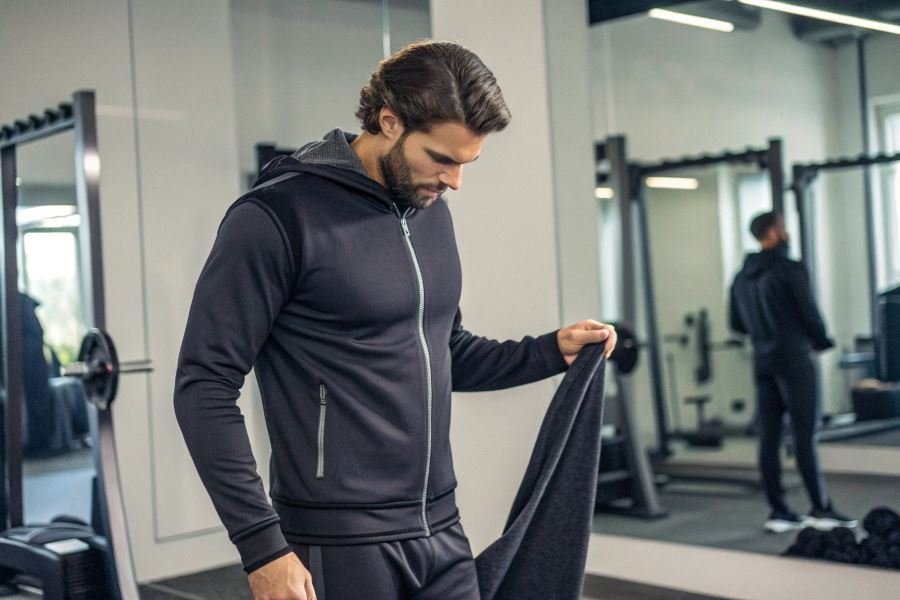
Ever watched an Olympic athlete glide across the finish line in a tracksuit that seems to move with them like a second skin? Or noticed how some tracksuits make weekend warriors look ready for action while others scream “I just rolled out of bed”? The difference isn’t just brand names—it’s about making choices that align with your specific needs.
Selecting the right men’s tracksuit isn’t merely about grabbing whatever’s on sale. It’s a strategic decision that can impact your performance, comfort, and even longevity of your workout gear. Whether you’re training through winter mornings, recovering after intense sessions, or simply wanting athletic-casual versatility, your tracksuit requirements shift dramatically.
The perfect tracksuit speaks your athletic language. For runners, moisture-wicking fabrics with reflective elements might be non-negotiable. Court sports enthusiasts might prioritize freedom of movement and breathability. Meanwhile, those in colder climates need insulation without bulk.
Season-specific considerations
Your tracksuit needs evolve with the calendar. Summer demands lightweight, breathable materials that won’t leave you drenched, while winter calls for strategic layering capabilities and thermal retention. Spring and fall? Look for adaptable pieces that can handle temperature fluctuations.
Activity alignment
The tracksuit that serves you perfectly for morning jogs might fail miserably for strength training. Consider range of motion, durability at friction points, and whether you need features like reinforced knees or zippered ankles. Your activities should dictate your tracksuit’s functionality, not the other way around.
Material Magic: The Fabric Foundation of Men’s Tracksuits
When selecting your next tracksuit, the material isn’t just a detail—it’s everything. The difference between a good workout and a great one often comes down to what you’re wearing. What to pay attention to when buying a men’s tracksuit starts with understanding the fabric technology that will either support your performance or sabotage it.
Performance Fabrics That Work As Hard As You Do
Today’s athletic wear has evolved far beyond the cotton sweatsuits of decades past. Modern performance fabrics offer game-changing benefits:
Moisture-wicking technology pulls sweat away from your skin, transferring it to the outer surface where it can evaporate. Look for polyester blends with names like Dri-FIT from Nike or HeatGear from Under Armour that keep you dry during intense training sessions.
Breathability metrics matter more than you think. The best fabrics allow air circulation to regulate body temperature. Materials like mesh panels or specialized weaves create micro-ventilation zones exactly where you need them most.
Durability factors determine whether your tracksuit survives 10 washes or 100. Look for:
- Reinforced seams with flatlock stitching
- Abrasion-resistant panels in high-friction areas
- Color-fast dyes that won’t fade after repeated washing
The difference between amateur and professional-grade tracksuits often comes down to these seemingly small details that dramatically impact performance.
Seasonal Fabric Selection: Dressing for Performance Year-Round
Your tracksuit needs change with the seasons, requiring strategic fabric choices:
Summer-Weight Options
| Fabric | Weight | Benefits |
|---|---|---|
| Polyester microfiber | 120-150 gsm | Ultra-lightweight, quick-drying |
| Nylon blends | 140-180 gsm | Excellent ventilation, UV protection |
| Technical cotton | 160-200 gsm | Natural feel with enhanced breathability |
For hot weather training, prioritize tracksuits with laser-cut ventilation, mesh inserts, and ultralight construction that won’t weigh you down when temperatures climb.
Cold-Weather Protection
Winter workouts demand insulation without bulk. Modern thermal tracksuits feature:
Multi-layer construction with moisture-wicking inner layers and wind-resistant outer shells. Therma-FIT technology from Nike and ColdGear from Under Armour offer exceptional warmth-to-weight ratios.
Strategic insulation placed only where needed—typically the core and upper legs—while maintaining flexibility in movement zones.
Brushed interiors that trap warm air against the skin while still allowing excess heat to escape during high-intensity intervals.
Sustainable Performance: Eco-Friendly Fabric Innovations
The athletic wear industry is embracing sustainability without compromising performance:
Recycled polyester from post-consumer plastic bottles now performs identically to virgin materials. Brands like Patagonia and Adidas lead with tracksuits made from up to 100% recycled content.
Bio-based fabrics derived from renewable resources like eucalyptus, bamboo, and even algae offer natural antimicrobial properties and exceptional softness.
Water-saving manufacturing processes reduce the environmental footprint of your gear. Look for certifications like bluesign® that verify responsible production.
The best eco-friendly tracksuits now deliver equal or superior performance to conventional options, proving that sustainability and athletic excellence can coexist in the same garment.
Fit, Functionality and Design: The Tracksuit Trifecta
Finding your perfect fit
The difference between a tracksuit that empowers your movement and one that restricts it comes down to fit. Your body type and activity level should dictate your choice. For athletic builds, look for tracksuits with a tapered fit that follows your natural contours without clinging too tightly. Broader shoulders? Raglan sleeves offer superior range of motion during overhead movements.
When trying on tracksuits, perform a quick mobility test: reach overhead, squat down, and mimic your typical movements. The fabric should move with you, not against you. Pay attention to the inseam length—too short and you’ll feel restricted; too long and you risk tripping hazards.
Measurement matters: Many premium brands like Nike and Adidas offer size guides that go beyond basic S-M-L sizing. Take five minutes to measure your chest, waist, hips, and inseam for a dramatically better fit.
For high-intensity training, look for a more athletic cut with stretch panels at key movement points. For recovery days or casual wear, a relaxed fit provides comfort without sacrificing style.
Essential functional features
The best tracksuits blend convenience with performance through thoughtful features:
Zippered pockets aren’t just convenient—they’re essential for securing valuables during movement. Look for angled pocket entries that allow easy access while reducing the chance of items falling out.
Ventilation zones strategically placed at heat-producing areas (underarms, behind knees) can dramatically improve comfort during intense sessions. Mesh panels or laser-cut perforations offer breathability without compromising structure.
Consider these functional must-haves:
| Feature | Benefit | Look for |
|---|---|---|
| Two-way zippers | Easy temperature regulation | Smooth gliding, locking mechanisms |
| Adjustable waistbands | Customized fit | Drawstrings or elastic with silicone grips |
| Articulated knees | Enhanced mobility | Pre-shaped fabric that follows natural movement |
| Reinforced seams | Durability during stretching | Flatlock or welded construction |
The difference between basic and premium tracksuits often lies in these details. Under Armour and Puma excel in incorporating performance features without overcomplicating the design.
Balancing performance and style
Today’s tracksuit isn’t just gym equipment—it’s a statement piece that transitions seamlessly between workout and casual settings.
Color blocking and contrast piping add visual interest while often serving functional purposes like highlighting stretch zones. Monochromatic designs in deep navy, charcoal, or forest green offer versatility for various settings.
Material matters: Performance fabrics have evolved dramatically. Look for:
- Four-way stretch polyester blends for maximum mobility
- Brushed interiors for warmth without bulk
- Moisture-wicking technology that actually works (test by placing a drop of water on the fabric—it should spread rather than bead)
The tracksuit’s silhouette should complement your body type while serving your activity needs. Tapered legs prevent fabric from catching on equipment, while straight-leg designs offer a more versatile aesthetic for everyday wear.
Reflective elements aren’t just for safety—they add dimension to the design while serving a practical purpose for early morning or evening training sessions.
The best tracksuit feels invisible during use but makes a visible impression when it matters.
Remember that premium construction often reveals itself in the details: consistent stitching, thoughtful placement of seams away from friction points, and zippers that operate smoothly even after hundreds of uses.