
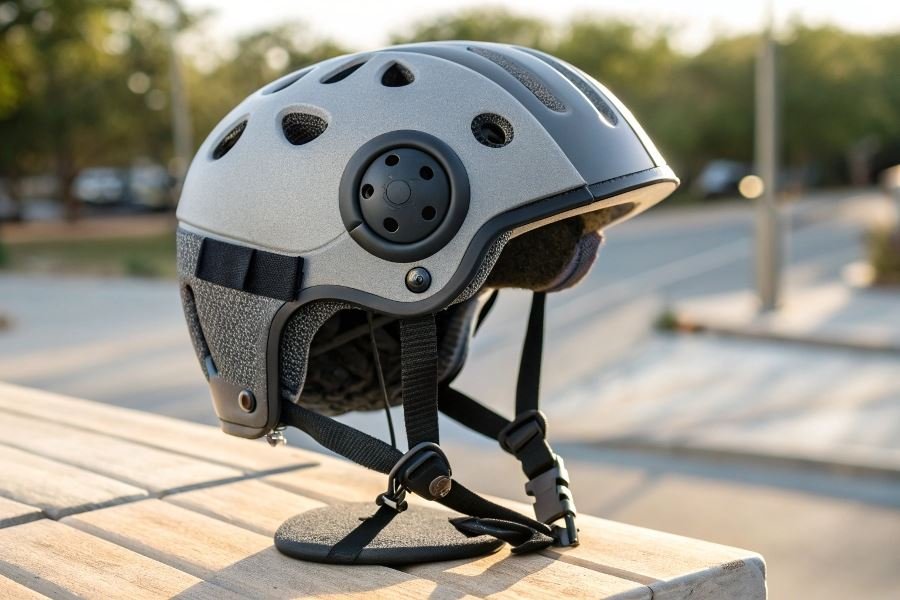
Did you know that a properly fitted sports helmet can reduce the risk of severe brain injury by up to 88%? Yet nearly 40% of youth athletes still wear helmets that don’t fit correctly or lack proper certification. The difference between adequate protection and life-altering injury often comes down to a simple shopping decision.
When selecting a helmet for your young athlete, you’re not just buying equipment—you’re investing in their future. The brain develops rapidly throughout childhood and adolescence, making proper protection during sports activities absolutely critical. Whether they’re shredding trails on a mountain bike, carving ice on hockey skates, or mastering tricks at the skate park, the right helmet becomes their invisible guardian.
The certification puzzle solved
Not all helmets offer equal protection. Look for trusted certifications like CPSC (Consumer Product Safety Commission) for biking, ASTM for skateboarding, or NOCSAE for football. These aren’t just fancy acronyms—they represent rigorous testing standards that ensure the helmet can actually protect your child when it matters most.
“The best helmet is one that fits properly, is worn consistently, and meets the appropriate safety standards for the specific sport.” — American Academy of Pediatrics
Numbers that matter
The statistics tell a compelling story: according to the CDC, helmets have prevented thousands of head injuries annually in youth sports. Research published in the Journal of Athletic Training shows that properly fitted helmets reduced concussion risk by 53% compared to ill-fitting alternatives. Even more striking, a ten-year study found that regions with strict helmet laws saw youth sports-related head injuries decrease by nearly 60%.
Finding the perfect helmet means understanding both the science of protection and the unique needs of your young athlete—a balance of safety, comfort, and confidence.
Safeguarding Young Athletes: The Helmet Factor
When your child straps on that helmet before hitting the bike trail or skateboard park, you’re not just checking a safety box—you’re deploying their personal shield against potential injury. The features of choosing children’s sports helmets go far beyond picking the coolest design or matching team colors. It’s about understanding the critical elements that could make all the difference when those inevitable tumbles happen.
Finding the perfect fit across age groups
Nothing compromises safety faster than a poorly fitted helmet. For toddlers (ages 1-3), look for helmets with a circumference of 18-20 inches with simplified adjustment systems parents can operate easily. These helmets should sit level on the head with the front edge sitting approximately two finger-widths above the eyebrows.
For elementary-aged children (4-8), the sizing typically jumps to 19-22 inches, and you’ll want adjustable retention systems that can accommodate growth spurts. By the time your athlete reaches the tween and teen years (9-16), they’ll need adult-small sizing (21-23 inches) with more sophisticated fit systems.
The two-finger rule remains consistent across all age groups: you should be able to fit only two fingers between the eyebrows and helmet, and the side straps should form a “Y” shape under each ear.
| Age Group | Typical Head Circumference | Key Fitting Features |
|---|---|---|
| Toddlers (1-3) | 18-20 inches | Simple adjustment, lightweight design |
| Elementary (4-8) | 19-22 inches | Growth-accommodating systems, enhanced protection |
| Tweens/Teens (9-16) | 21-23 inches | Adult-small sizing, sport-specific features |
Impact protection that goes beyond the basics
Modern helmet technology has evolved dramatically since the basic foam shells of decades past. Today’s premium youth helmets feature Multi-directional Impact Protection System (MIPS) technology, which creates a low-friction layer between the helmet and the head, allowing the helmet to rotate slightly upon impact and reducing rotational forces on the brain.
For high-impact sports like BMX or downhill mountain biking, look for helmets with expanded polystyrene (EPS) foam bonded to a hard polycarbonate shell. For lower-impact activities like recreational cycling, in-mold construction—where the outer shell and liner are fused together—offers excellent protection while keeping weight down.
The materials matter tremendously when it comes to repeated impacts. Some helmets are single-impact designs (replace after any crash), while others use EPP (expanded polypropylene) foam that can withstand multiple minor impacts.
Comfort features that ensure they’ll actually wear it
Let’s be honest—the best helmet is the one your child will keep on their head. Ventilation channels are non-negotiable for active kids who generate significant heat during play. Look for helmets with at least 8-12 strategically placed vents for cycling and 6-8 for skateboarding.
Adjustability features have become increasingly sophisticated, with dial-fit systems like the BOA Fit System allowing micro-adjustments with a simple twist. Removable, washable padding addresses the inevitable sweat factor, while magnetic buckles from brands like Fidlock make self-fastening possible even for younger children.
For growing children, helmets with adjustable cradle systems can extend the usable life of the helmet by up to two years, providing both economic and environmental benefits while maintaining crucial safety standards.
Sport-Specific Helmet Selection for Young Athletes
Bicycle and Skateboard Protection Essentials
When it comes to wheeled sports, helmet requirements are anything but one-size-fits-all. Bicycle and skateboard helmets share some DNA but serve distinctly different purposes. Bike helmets prioritize ventilation with multiple air channels—crucial for those long summer rides when overheating becomes the enemy. They’re designed with a single high-impact crash in mind, which is why replacing them after any significant impact is non-negotiable.
Skateboard helmets, by contrast, feature a harder shell with less ventilation but greater coverage at the back of the head. This design acknowledges the reality that skaters fall backward more frequently than cyclists. The best skateboard helmets meet the ASTM F1492 standard, offering multi-impact protection for those inevitable learning curves.
Key feature alert: Look for the CPSC certification sticker inside any bike helmet—it’s not just a recommendation, it’s federal law for all helmets sold in the US since 1999. For skateboarding, dual-certified helmets (meeting both CPSC and ASTM standards) offer the ultimate protection for kids who switch between wheels.
Team Sports Head Protection
Team sports introduce entirely different impact scenarios requiring specialized protection. Football helmets must withstand repeated collisions from multiple angles, featuring thick padding, rigid outer shells, and sophisticated suspension systems. The Riddell SpeedFlex has revolutionized youth football protection with its flexible panel technology that disperses impact energy.
Hockey helmets combine impact protection with a cage or shield to protect the face from sticks and pucks. The certification to look for here is HECC (Hockey Equipment Certification Council), which ensures the helmet meets rigorous safety standards for ice hockey.
Lacrosse presents unique challenges with high-speed projectiles and stick checks:
| Sport | Key Certification | Special Features |
|---|---|---|
| Football | NOCSAE | Face mask, chin strap, internal padding system |
| Hockey | HECC | Cage/shield options, adjustable fit system |
| Lacrosse | NOCSAE | Sport-specific (boys vs. girls) requirements |
The difference between adequate and excellent protection often comes down to proper fitting. A properly fitted team sport helmet should sit level on the head with minimal movement when the child shakes their head vigorously.
Winter Sports Helmet Innovations
Winter sports helmets have undergone a revolution in recent years, with technology borrowed from automotive safety making its way to the slopes. Modern ski and snowboard helmets feature MIPS (Multi-directional Impact Protection System) technology, which allows the helmet to rotate slightly upon impact, reducing rotational forces on the brain.
Ski helmets must balance warmth with ventilation—a tricky proposition solved by adjustable venting systems that can be opened or closed depending on conditions. Look for helmets certified to the ASTM F2040 standard for snow sports, which ensures protection against the unique impacts encountered on the mountain.
Temperature management matters: Quality winter sports helmets include removable, washable liners that can be swapped out as conditions change. The Smith Optics Junior Zoom features integration with goggles to prevent the dreaded “gaper gap” that can lead to forehead freezing.
Snowboard helmets often feature a slightly different shape at the back to accommodate the different falling patterns of boarders versus skiers. Audio compatibility is another consideration—many winter helmets now include audio-ready ear pads for music on the mountain, though parents should ensure this doesn’t compromise a child’s ability to hear important environmental cues.
Remember: the best helmet is the one that fits properly and that your child will actually wear consistently. Involving young athletes in the selection process increases the likelihood they’ll take ownership of their safety equipment.