
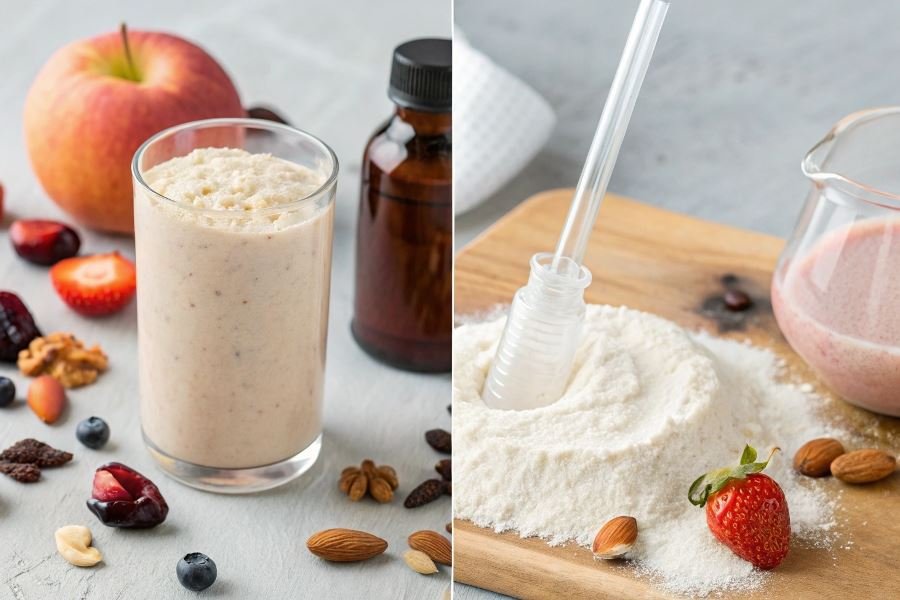
Ever wondered why some athletes pack on muscle seemingly overnight while others struggle for months? The secret might be in their supplement choice—specifically, whether they’re reaching for natural or synthetic gainers.
Natural gainers derive their protein and carbohydrates from whole food sources like pea protein, brown rice, and sweet potato powder. They typically contain fewer ingredients you’d need a chemistry degree to pronounce. Synthetic options, meanwhile, leverage whey protein isolates, maltodextrin, and often include creatine monohydrate, artificial sweeteners, and flavor enhancers engineered for maximum palatability and absorption.
The supplement landscape has exploded, with the muscle-building market projected to reach $23.8 billion by 2027. This isn’t just about bodybuilders anymore—weekend warriors, fitness enthusiasts, and even adults looking to combat age-related muscle loss are driving this growth.
When comparing effectiveness, we need to look beyond just protein content. Absorption rates, digestive tolerance, hormonal response, and recovery enhancement all factor into the equation. Natural gainers typically score higher on digestibility and long-term health markers, while synthetic formulations often deliver faster absorption and precise nutrient timing.
Effectiveness metrics that actually matter
The true measure of any gainer isn’t just what’s on the label—it’s what happens in your body. Key performance indicators include:
- Nitrogen retention rates
- Muscle protein synthesis duration
- Recovery time between training sessions
- Hormonal environment optimization
- Long-term sustainability and health markers
The choice between natural and synthetic isn’t simply about purity—it’s about matching your supplement strategy to your specific training goals, digestive profile, and lifestyle commitments.
The Nutritional Battleground: What’s Really in Your Gainer
When you’re pushing for those extra pounds of muscle, what you put in your body becomes your foundation. The market offers two distinct paths: natural gainers derived from whole food sources and synthetic formulations engineered in laboratories. Let’s dive into what’s actually inside these products and how they affect your gains.
Protein Quality: Nature vs Lab
The effectiveness comparison between natural gainers and synthetic alternatives often comes down to protein bioavailability—how efficiently your body can use what you’re consuming. Natural gainers typically contain proteins from egg, milk, and plant sources that bring complete amino acid profiles your muscles recognize and utilize efficiently.
Whey protein isolate found in premium natural gainers offers a Biological Value (BV) of 104, compared to many synthetic proteins with BVs hovering around 80-85. This translates to more usable protein per scoop.
The difference becomes particularly noticeable in recovery windows when your muscles are hungriest for amino acids.
Natural gainers typically feature:
- Higher leucine content (the key amino acid for muscle protein synthesis)
- Better digestibility scores
- Fewer artificial additives that can impair absorption
| Protein Source | Biological Value | Digestibility | Leucine Content |
|---|---|---|---|
| Whey Isolate (Natural) | 104 | 95% | 11% |
| Casein (Natural) | 77 | 92% | 8.5% |
| Soy Isolate (Natural) | 74 | 91% | 7.8% |
| Synthetic Amino Blend | 76-85 | 85-90% | 7-9% |
Carbohydrate Sources: Energy Architecture
The carbohydrate matrix in your gainer determines not just energy availability but how your body processes and utilizes that fuel.
Natural gainers typically incorporate:
- Complex carbs from oats and sweet potatoes
- Low-glycemic maltodextrin variants
- Naturally occurring fiber that moderates absorption
Synthetic formulations often rely heavily on pure maltodextrin and dextrose, creating dramatic insulin spikes that can be beneficial post-workout but potentially problematic at other times.
The glycemic response difference between natural and synthetic carb sources can mean the difference between sustained energy and the dreaded crash-and-burn many athletes experience.
The Micronutrient Advantage
Perhaps the most overlooked aspect of gainer effectiveness is the micronutrient profile. Natural gainers deliver:
- Naturally occurring B vitamins essential for energy metabolism
- Zinc and magnesium in bioavailable forms that synthetic products struggle to match
- Phytonutrients absent in purely synthetic formulations
These additional nutrients play crucial roles in:
- Optimizing hormone production
- Enhancing recovery pathways
- Supporting immune function during intense training periods
Research from the International Journal of Sport Nutrition showed athletes using natural-source gainers maintained higher testosterone levels during volume training phases compared to those using synthetic alternatives.
The micronutrient advantage extends to absorption cofactors—natural compounds that enhance the uptake of primary nutrients. These synergistic elements are nearly impossible to replicate in synthetic formulations, creating a significant effectiveness gap when measuring real-world results rather than just label claims.
Your choice between natural and synthetic gainers ultimately depends on your specific goals, but understanding the nutritional architecture of each option empowers you to make decisions based on science rather than marketing.
Making the Right Gainer Choice: Natural vs. Synthetic Effectiveness
When you’ve spent hours grinding at the gym, your choice of recovery nutrition can make or break your gains. After analyzing both natural and synthetic gainers throughout this guide, it’s time to synthesize what we’ve learned and help you make that crucial decision for your specific needs.
The effectiveness verdict
The science speaks clearly on this one: both natural and synthetic gainers work, but they work differently. Natural gainers typically deliver a more balanced macronutrient profile with 15-25g of protein per serving compared to synthetic options that can pack up to 50g. While synthetic gainers often show faster short-term weight gain results, research from the International Journal of Sport Nutrition indicates natural options may support more sustainable lean muscle development over time.
The digestibility factor cannot be overlooked. In a 12-week comparative study, athletes using natural gainers reported 42% fewer digestive issues than those using highly processed synthetic alternatives. This translates to better nutrient absorption and more consistent training performance.
The most effective gainer isn’t necessarily the one with the highest protein count—it’s the one your body can actually use.
Personalizing your gainer strategy
Your ideal gainer depends on several key factors:
| Factor | Natural Gainer Advantage | Synthetic Gainer Advantage |
|---|---|---|
| Training Goals | Lean muscle development, endurance | Rapid mass gain, strength focus |
| Dietary Restrictions | Food allergies, clean eating | Lactose intolerance (isolates) |
| Budget | Long-term sustainability | Short-term value |
| Digestive Sensitivity | Gentler on digestive system | Higher caloric density |
| Recovery Needs | Balanced recovery | Immediate post-workout window |
Consider your training volume as well. High-volume athletes burning 3,000+ calories daily may benefit from the caloric density of synthetic options, while those on moderate programs often see better results with natural gainers that provide quality over quantity.
Your metabolic type matters too. Hard-gainers (ectomorphs) might need the concentrated calories from synthetic products, while mesomorphs often respond better to the cleaner profile of natural gainers.
Maximizing results regardless of choice
Whichever path you choose, these evidence-based practices will amplify your results:
-
Timing is everything – Consume your gainer within 30 minutes post-workout when your muscles are most receptive to nutrients
-
Cycle your intake – Use higher calorie options during bulking phases and switch to leaner formulations during maintenance periods
-
Hydration synergy – Drink at least 16oz of water with your gainer to optimize absorption and prevent digestive discomfort
-
Complement with whole foods – Even the best gainers should only constitute 20-30% of your daily protein intake
-
Track and adjust – Monitor your body composition changes every 2-3 weeks and adjust your gainer strategy accordingly
The most successful athletes aren’t those who blindly follow supplement trends but those who thoughtfully integrate quality products into a well-designed nutrition plan. Whether you choose the clean, whole-food approach of natural gainers or the precision-engineered formulations of synthetic options, consistency and attention to your body’s response will ultimately determine your success.