
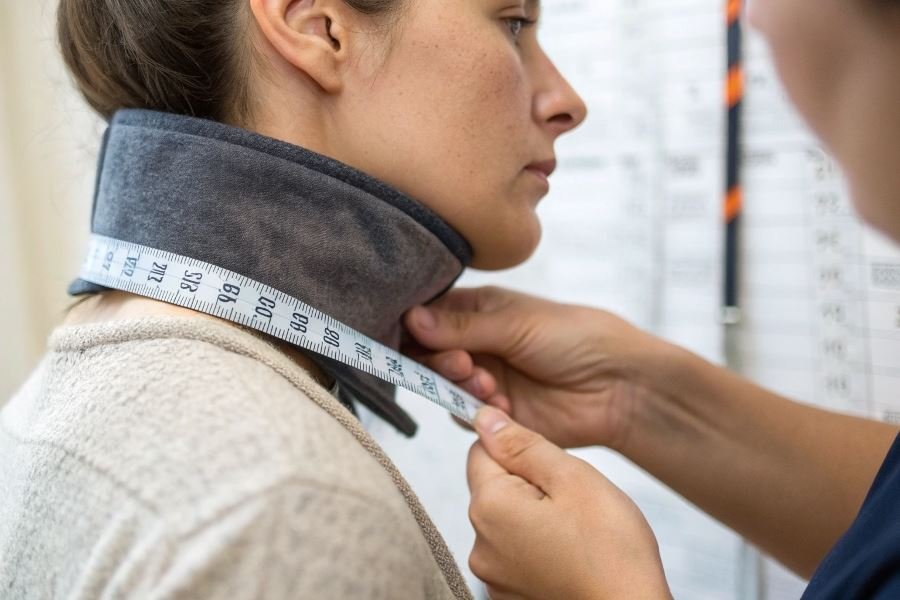
At 150 mph, your neck experiences forces that could snap a tree branch. Yet drivers walk away from crashes that would have been fatal just decades ago. How? The answer lies in one of motorsport’s most crucial safety innovations.
When we talk about cervical orthoses in motorsport, we’re discussing specialized devices designed to protect a driver’s neck and spine during high-speed impacts. These aren’t just fancy accessories—they’re meticulously engineered lifesavers that prevent the devastating basilar skull fractures that once plagued the sport.
From tragedy to transformation
The journey toward modern neck protection is marked by painful lessons. Before 2001, HANS (Head And Neck Support) devices were available but not mandatory. It took the tragic loss of Dale Earnhardt Sr. at Daytona to revolutionize safety standards. His fatal basilar skull fracture—the same injury that claimed three other NASCAR drivers in the preceding months—finally pushed the industry toward universal adoption.
The numbers don’t lie
The evidence supporting cervical orthoses is overwhelming:
“Since mandatory HANS implementation in Formula 1 in 2003, there have been zero fatalities from basilar skull fractures in the series—compared to eight in the previous two decades.” — FIA Safety Commission
Research shows that modern neck restraints reduce head movement by up to 80% during impacts, decreasing the risk of severe injury by over 45%. These aren’t just statistics—they represent hundreds of drivers who’ve walked away from crashes that would have been career-ending or fatal in earlier eras.
The Critical Elements of Neck Protection in Racing
When drivers push their machines to the limit at 200+ mph, the right neck protection isn’t just equipment—it’s survival gear. The evolution of cervical orthoses for motorsport has transformed driver safety, creating specialized devices that balance protection with performance.
Selecting appropriate neck protection devices requires understanding the nuanced features that separate life-saving equipment from mere accessories. Cervical orthoses for motorsport: features of selection involve critical considerations of materials, weight distribution, and compatibility with other safety equipment. The difference between adequate and optimal protection often comes down to these seemingly small details that professional drivers obsess over.
Advanced Materials Redefining Protection
The material composition of modern racing neck braces represents a quantum leap from earlier generations. Today’s premium options feature:
- Carbon fiber composites offering superior strength-to-weight ratios
- Kevlar reinforcement in high-stress areas
- Impact-absorbing foams with progressive resistance
The Leatt GPX 5.5 brace exemplifies this evolution with its injection-molded glass-reinforced nylon chassis that delivers exceptional durability while maintaining flexibility during impacts. Similarly, the NecksGen REV utilizes aerospace-grade carbon fiber that withstands multiple impact scenarios without compromising structural integrity.
The most advanced orthoses combine rigid external structures with energy-absorbing cores that progressively deform to dissipate crash forces.
Material durability considerations extend beyond crash performance to include resistance to sweat, oils, and cleaning chemicals that are part of the racing environment.
Ergonomic Design and Weight Distribution
The most sophisticated neck protection systems achieve a delicate balance:
| Design Element | Performance Benefit | Safety Implication |
|---|---|---|
| Low profile collar | Reduced wind resistance | Minimizes helmet interference |
| Adjustable thoracic struts | Customized fit | Prevents device migration during impacts |
| Split rear design | Enhanced mobility | Maintains protection during head movement |
Weight distribution represents perhaps the most underappreciated aspect of cervical orthosis design. The Simpson Hybrid system distributes load across the shoulders and chest, reducing fatigue during extended sessions while maintaining protection. This contrasts with earlier designs that concentrated mass at the back of the neck, creating muscle strain during long races.
Seamless Integration with Racing Equipment
The effectiveness of any neck protection system ultimately depends on its compatibility with helmets and other safety equipment. Modern designs feature:
- Helmet rim cutouts specifically sized for popular racing helmet models
- Adjustable angle settings to accommodate different driving positions
- Quick-release mechanisms compatible with fire-resistant balaclavas
The HANS Device pioneered the tethered approach, connecting directly to the helmet to limit forward head movement during frontal impacts. This integration requires specific helmet anchor points, highlighting the importance of viewing safety equipment as a system rather than individual components.
Racing in the Alpinestars BNS Tech Carbon demonstrates how modern designs accommodate both full-face helmets and the shoulder harnesses of six-point safety restraints without compromising either system’s effectiveness.
The ultimate test of any cervical orthosis isn’t just its standalone performance but how seamlessly it functions within the complete safety ecosystem of modern motorsport.
Mastering Your Motorsport Neck Protection Choice
The Perfect Fit For Your Racing Style
Selecting the right cervical orthosis isn’t just about grabbing whatever’s on the shelf—it’s about finding your perfect match on the track. Your body type plays a crucial role in this high-stakes decision. Drivers with longer necks typically benefit from devices with extended vertical support, while those with broader shoulders need wider base designs that distribute force more effectively across the upper torso.
Your driving style dramatically influences which protection system will serve you best. Aggressive drivers who frequently experience high G-forces in corners should prioritize devices with reinforced lateral support. Meanwhile, endurance racers need lightweight options that maintain comfort during those grueling multi-hour stints behind the wheel.
Vehicle type is non-negotiable in this equation. Open-wheel racers like Formula cars demand lower-profile devices that accommodate limited cockpit space, while stock car drivers can utilize bulkier systems with more comprehensive protection. Rally drivers need flexibility for constant head movement and visibility through varied terrain.
“The right neck protection doesn’t just prevent injury—it becomes an extension of your racing instinct, something you forget is there until the moment it saves you.”
Safety Standards That Separate Champions From Casualties
When it comes to certification, accept nothing less than the gold standard. The FIA 8858-2010 certification represents the minimum benchmark for any serious motorsport neck protection. This standard ensures devices can withstand the specific forces encountered during racing incidents.
SFI 38.1 certification provides an alternative compliance pathway popular in American racing series like NASCAR and NHRA. The testing protocols differ slightly but achieve comparable safety outcomes.
Regional racing authorities often impose additional requirements beyond these international standards. Before purchasing, verify your device meets the specific regulations for your racing series and jurisdiction—requirements can vary dramatically between sprint races, rallies, and track days.
| Certification | Best For | Typical Cost Range |
|---|---|---|
| FIA 8858-2010 | International competition, Formula series | $350-1,200 |
| SFI 38.1 | American racing series, drag racing | $250-900 |
| CE Certified | Entry-level competition, track days | $150-400 |
Keeping Your Lifeline In Prime Condition
Even the most advanced cervical orthosis has a finite lifespan. Most manufacturers recommend replacement every 5 years under normal use conditions—but this timeline accelerates dramatically after any significant impact. A device that’s absorbed crash forces has already done its job and must be retired immediately, regardless of visible damage.
Maintenance isn’t optional—it’s survival. Clean fabric components regularly with manufacturer-approved solutions to prevent degradation from sweat and oils. Carbon fiber and composite elements should be inspected monthly for hairline cracks or delamination, particularly at stress points where components connect.
Storage matters more than most racers realize. Keep your device in a temperature-controlled environment away from direct sunlight, which can degrade materials and compromise structural integrity. Never hang cervical orthoses by their straps—this creates uneven stress that weakens critical connection points.
The most overlooked aspect of maintenance? Documentation. Keep detailed records of purchase date, usage conditions, and any impacts. This information becomes invaluable when determining replacement timing and can be critical for insurance claims following racing incidents.
Your neck protection represents the thin line between walking away from a crash and life-altering injury. Treat your selection process with the gravity it deserves—because when milliseconds matter, having the right protection isn’t just about comfort, it’s about survival.