
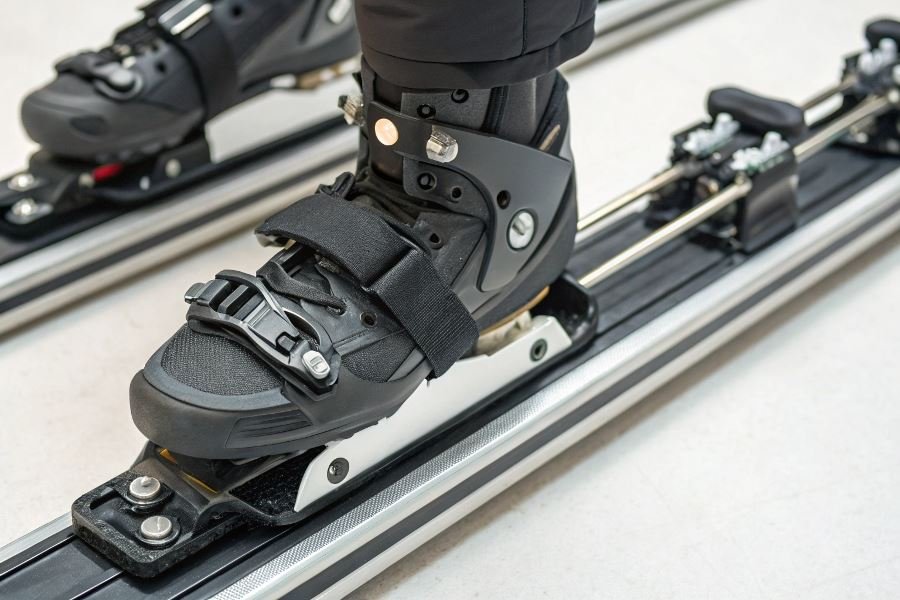
Ever wondered why some skate skiers seem to effortlessly glide past you on the tracks? The secret might be right under your feet—literally. While most enthusiasts obsess over ski selection, the humble binding system quietly determines up to 30% of your power transfer efficiency.
Think of bindings as the critical handshake between your boots and skis. This connection point transforms your leg power into forward momentum, making binding selection perhaps the most underrated decision in your gear setup. When you’re pushing through that final kilometer with burning quads, the difference between premium bindings and budget options becomes startlingly clear.
The power transfer equation
Bindings serve three essential functions in skate skiing:
- Secure boot attachment to the ski
- Precise power transmission from skier to snow
- Controlled flexibility for technique optimization
The evolution of binding technology tells a fascinating story. Early systems from the 1980s featured simple toe pieces with minimal lateral stability. Today’s advanced systems incorporate materials like carbon-reinforced polymers that maintain rigidity even at temperatures approaching -30°F.
Anatomy of modern excellence
Modern skate ski bindings feature sophisticated components working in harmony:
- The toe piece – The primary connection point, now featuring multi-directional release mechanisms
- The binding plate – The platform distributing pressure across the ski
- The rail system – Allowing precise positioning adjustments
What truly separates elite bindings from basic models is their ability to maintain consistent performance across varying snow conditions. The best systems provide that perfect balance—secure enough for powerful pushes yet responsive enough for quick directional changes.
The Critical Factors That Make or Break Your Skate Skiing
When you’re gliding across pristine snow, the last thing you want is equipment that holds you back. The connection between your boots and skis might seem like a minor detail, but ask any elite skier and they’ll tell you—bindings are where power meets precision. Let’s dive into what truly matters when selecting the perfect bindings for your skate skiing adventures.
Boot and Ski Compatibility: The Foundation of Performance
The relationship between your boots and bindings isn’t just important—it’s everything. Modern skate ski bindings fall into several systems, with NNN (New Nordic Norm) and Prolink/SNS dominating the market.
When examining bindings for skate skis, features of selection should focus first on system compatibility. Your boots must match your binding system—there’s simply no workaround. An NNN boot won’t work with an SNS binding, and vice versa. This non-negotiable compatibility is why many skiers choose their boots first, then select bindings to match.
Most high-performance skate boots now come with NNN-compatible soles, but always verify before purchase. The market has evolved significantly since 2015 when Salomon introduced their Prolink system compatible with NNN, giving skiers more flexibility.
Pro tip: Check the binding mounting pattern on your skis before purchasing. The NIS (Nordic Integrated System) plate allows for adjustable positioning without drilling.
Safety First: Release Mechanisms That Protect
Unlike alpine bindings, nordic bindings aren’t designed to release during falls. However, modern systems offer varying degrees of safety features:
| Binding Type | Release Mechanism | Safety Level | Best For |
|---|---|---|---|
| Manual | Lever release | Basic | Recreational |
| Step-in | Toe clip with manual heel | Intermediate | Fitness skiers |
| Advanced | Quick-release systems | High | Competitive |
The Rottefella Freedom binding deserves special mention for its innovative approach to release mechanics, allowing lateral release in certain fall scenarios—a genuine advancement in skate skiing safety.
Remember: While convenience matters, your binding’s primary job is transferring power while keeping you safe. Don’t compromise on release functionality to save a few dollars.
The Physics of Performance: Weight, Flex and Power Transfer
The binding’s role in power transfer cannot be overstated. This is where recreational and competitive equipment truly diverge:
-
Weight considerations: Racing bindings like the Fischer Turnamic Race Pro shave every possible gram while maintaining structural integrity. For recreational skiers, durability might outweigh minimal weight savings.
-
Flex characteristics: The binding platform’s stiffness directly impacts how efficiently your leg power converts to forward motion. Stiffer isn’t always better—your weight and technique determine optimal flex.
-
Power transfer zone: Elite bindings maximize the contact area between boot and binding while minimizing weight, creating a responsive connection that feels like an extension of your foot.
The binding is your energy conduit. Every watt of power your legs generate must travel through this critical component before reaching the snow.
For competitive skaters, bindings with adjustable flex settings like the Rossignol Premium Skate allow fine-tuning based on snow conditions and racing demands. Recreational skiers benefit from more forgiving flex patterns that accommodate varying techniques.
Your binding selection ultimately comes down to your personal skiing style, boot compatibility, and performance needs. The perfect binding disappears beneath you, leaving nothing but the pure joy of efficient glide across winter’s perfect canvas.
The Ultimate Guide to Skate Ski Binding Systems
When it comes to skate skiing performance, your binding system is the critical connection between your boots and skis that can make or break your experience on the snow. The right binding not only transfers power efficiently but also provides the precise control needed for that perfect skating technique. Let’s dive into the three dominant binding systems that have revolutionized the cross-country skiing world.
NNN: The Industry Standard
The New Nordic Norm (NNN) binding system, developed by Rottefella, has become the gold standard for many skate skiers. What makes NNN bindings exceptional is their two-rail design that provides outstanding lateral stability—crucial when you’re pushing off on the edge of your ski.
Key features of NNN bindings:
- Dual-ridge system for superior edge control
- Automatic step-in functionality
- Compatible with a wide range of NNN-specific boots
- Excellent power transfer through the entire foot
The NNN system has evolved significantly since its introduction, with the NNN Performance and NNN Race Pro models offering varying degrees of stiffness and weight savings for different skiing levels. The binding’s low profile design keeps your foot closer to the ski, enhancing control and reducing fatigue during longer sessions.
SNS: Precision and Performance
The Salomon Nordic System (SNS) from Salomon offers a distinctly different approach with its single-rail design. This system has been the choice of many elite racers for decades, though its market presence has diminished in recent years.
What sets SNS bindings apart:
- Single center ridge providing direct power transmission
- Pilot and Propulse variations for different performance needs
- Renowned for precise ski control
- Historically favored by competitive skiers
The SNS Pilot system, with its two connection points (toe and mid-foot), delivers exceptional stability and power transfer that many dedicated skate skiers still swear by. While Salomon has shifted toward more universal systems, many loyal SNS users maintain their setups due to the unique feel and performance characteristics.
Prolink/Turnamic: The Universal Solution
The newest evolution in binding technology comes in the form of universal platforms that aim to bridge the compatibility gap between different systems.
Prolink by Salomon and Turnamic by Fischer represent the industry’s move toward standardization:
| Feature | Prolink | Turnamic |
|---|---|---|
| Compatibility | NNN-compatible | NNN-compatible |
| Adjustment | Fixed position | Tool-free adjustment |
| Weight | Lightweight | Slightly heavier |
| Entry/Exit | Manual lever | Automatic step-in |
The Turnamic system deserves special mention for its innovative tool-free adjustment capability, allowing skiers to modify binding position on the fly to adapt to changing snow conditions or technique adjustments.
The beauty of these universal systems is that they’ve eliminated the “binding lock-in” problem that previously forced skiers to commit to a single ecosystem of boots and bindings.
When selecting your binding system, consider these factors:
- Boot compatibility (what boots do you already own?)
- Skiing style (racing vs. recreational)
- Personal preference for feel and release mechanism
- Availability of service and parts in your region
The binding market has clearly shifted toward NNN-compatible systems, with Prolink and Turnamic leading the charge toward a more universal standard. This trend gives today’s skiers more flexibility than ever before, while still benefiting from the technological advancements that each brand brings to the table.