
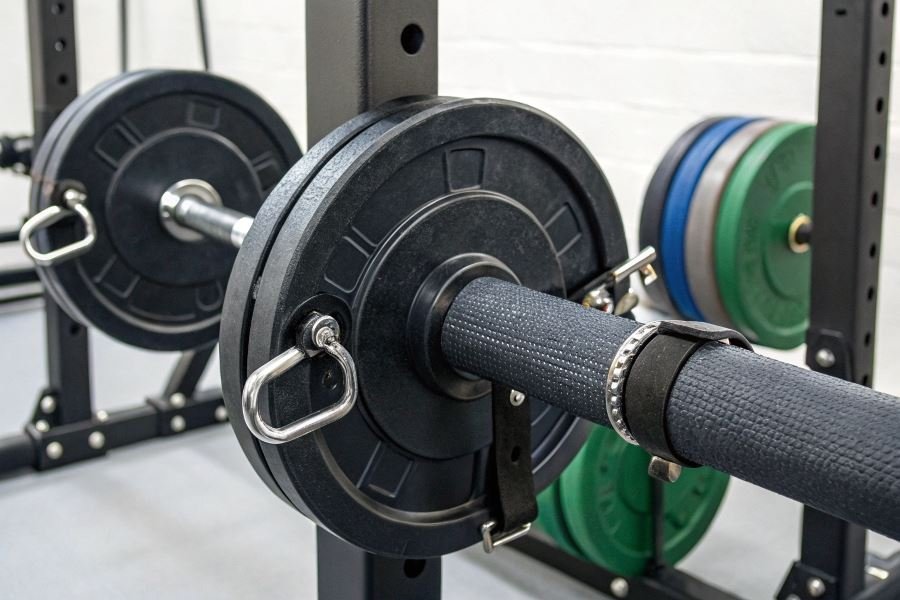
Ever watched 300 pounds of metal plates slide off a barbell mid-squat? That heart-stopping moment is exactly why Olympic bar locks aren’t just accessories—they’re essential safety equipment that deserves your full attention.
Olympic bar locks (or collars) are specialized fastening devices designed to secure weight plates on barbells during training. These unassuming pieces of equipment prevent plates from shifting or falling off during exercises, protecting both your performance and physical safety. While they might seem simple, the difference between mediocre and premium locks can literally be measured in seconds saved and injuries prevented.
The market for Olympic bar locks has evolved dramatically, with 2025 bringing unprecedented innovation to this critical equipment category. Today’s options range from traditional spring collars that have faithfully served gyms since the 1970s to advanced quick-release mechanisms that can be secured in under a second. Premium aluminum and carbon fiber models now offer the perfect balance of security and lightweight design, while budget-friendly options still provide reliable performance for home gym enthusiasts.
Safety isn’t optional
When you’re pushing your limits with heavy deadlifts or explosive Olympic lifts, proper locking mechanisms aren’t just about convenience—they’re about preventing potentially catastrophic accidents. A quality lock creates the confidence to focus entirely on form and power output rather than worrying about shifting plates.
The right lock doesn’t just secure your weights—it secures your peace of mind.
Types of Olympic Bar Locks That Serious Lifters Need
When you’re pushing your limits with heavy weights, the last thing you need is plates sliding around—or worse, crashing to the floor. Selecting the right locks for Olympic bars can make the difference between a focused session and a dangerous distraction. Let’s dive into the three main types that dominate the market and help you decide which deserves a place in your gym bag.
Understanding the features of selection for Olympic bar locks requires considering your training style, the weights you’re moving, and how quickly you need to change plates. Each lock type offers distinct advantages that might make it perfect for your specific lifting scenario—whether you’re doing explosive Olympic lifts or methodical strength training.
Spring Collar Locks: The Classic Choice
Spring collar locks have been the faithful companions of weightlifters for decades. These simple, spring-loaded devices work by creating tension against the bar when squeezed.
Pros:
- Extremely affordable (typically $5-15 per pair)
- Lightweight at just 0.5-1 lb per pair
- Quick to apply and remove
- Virtually indestructible
Cons:
- Less secure than other options
- Can lose tension over time
- May scratch Olympic bars
- Not recommended for heavy lifts over 315 lbs
Spring collars work best for moderate weights and training scenarios where you’re frequently changing plates. They’re the go-to choice for commercial gyms due to their simplicity and cost-effectiveness.
Clamp Collar Locks: Maximum Security
When absolute security is non-negotiable, clamp collar locks deliver peace of mind. These locks use a mechanical clamping mechanism that creates significantly more holding power.
| Feature | Specification | Benefit |
|---|---|---|
| Weight | 0.75-2 lbs per pair | Adds stability |
| Price Range | $25-80 | Investment in safety |
| Material | Aluminum/steel | Durability |
| Max Load | 600+ lbs | Confidence with heavy lifts |
Clamp collars excel during heavy deadlifts, squats, and bench presses where plate movement could compromise form or safety. The additional weight of these locks actually becomes an advantage, adding to the bar’s stability during explosive movements.
Pro tip: Look for clamp collars with rubber or nylon contact points to protect your bar’s finish from scratches.
Quick-Release Locks: Efficiency Meets Security
For those who value both time and security, quick-release locks offer the best of both worlds. These innovative designs use lever mechanisms that can be secured or released in seconds.
What makes quick-release locks special is their balance of convenience and holding power.
Key advantages:
- One-handed operation
- Secure enough for weights up to 500 lbs
- Faster plate changes than clamp collars
- Ergonomic designs prevent pinched fingers
The convenience factor makes quick-release locks from brands like Rogue Fitness particularly popular among CrossFit athletes and those performing circuit training where efficiency between exercises matters.
The durability of quality quick-release locks justifies their higher price point ($30-60 per pair), with many featuring aircraft-grade aluminum construction and replaceable rubber pads that maintain their grip even after years of use.
Choose your locks based on your heaviest lifts, not your average workout—safety equipment should always be selected for worst-case scenarios, not typical use.
Securing Your Investment: The Ultimate Guide to Olympic Bar Locks
Tailoring Locks to Your Training Reality
Finding the perfect Olympic bar lock isn’t just about security—it’s about matching your specific training environment. Garage gym warriors face different challenges than commercial facility owners. If you’re training in a humid basement or outdoor setting, stainless steel locks like the Rogue Fitness HG collars offer superior rust resistance. Meanwhile, competition lifters need locks that meet International Weightlifting Federation standards—quick to secure and remove, yet absolutely bombproof during lifts.
CrossFit enthusiasts who frequently transition between movements benefit from quick-release mechanisms found in the OSO aluminum collars. These shave precious seconds during WODs while maintaining plate security during dynamic movements.
The environment dictates the lock as much as the lifting style does. A powerlifter’s needs in a climate-controlled facility differ dramatically from a functional fitness athlete training in variable conditions.
For those sharing equipment with family members or training partners of different strength levels, adjustable tension locks provide the versatility to accommodate everyone’s needs without constant readjustment.
Cost Analysis: Spend Now or Pay Later
When it comes to Olympic bar locks, the price spectrum is vast:
| Lock Type | Price Range | Lifespan | Best For |
|---|---|---|---|
| Spring clips | $5-15 | 6-12 months | Beginners, light loads |
| Lockjaw collars | $30-60 | 2-3 years | Intermediate lifters |
| Competition collars | $150-300+ | 5+ years | Serious athletes, commercial use |
The true value equation isn’t just about upfront cost. Those $10 spring clips might seem economical, but replacing them every few months adds up. Meanwhile, premium aluminum collars from Eleiko might cost $200 but can last a decade of daily use.
The cheapest locks often become the most expensive when you factor in replacement costs and—more critically—the potential for plate slippage that can damage your equipment or worse, cause injury.
Consider this: A quality set of locks represents less than 5% of what most people spend on their barbell and plates, yet they’re responsible for 100% of keeping those weights secure during lifts.
Smart Recommendations for Every Lifter
For the home gym enthusiast balancing quality and budget, aluminum lever-lock collars in the $40-70 range offer the sweet spot of durability, security, and ease of use. The Rogue USA Aluminum Collars provide exceptional value with their aircraft-grade construction.
Competitive powerlifters should invest in competition-grade locks like those from Titan Fitness or Eleiko. The precision machining ensures plates stay exactly where they should during max attempts.
For Olympic weightlifters performing dynamic movements, the Uesaka competition collars represent the gold standard, though their premium price reflects this status.
The most versatile option for most lifters remains the aluminum quick-release collar—offering security, durability, and convenience without breaking the bank.
Remember that the best lock is one that becomes invisible during your training—secure enough that you never think about it, yet simple enough that changing weights never interrupts your flow. Your perfect lock should match not just today’s training needs, but where you plan to be in your fitness journey years from now.