
Ever watched a pro striker nail that perfect shot and thought, “I could do that with enough practice”? You’re right—but that journey begins with something seemingly simple: the right ball. The difference between developing killer technique and forming bad habits often comes down to what you’re kicking around your living room or backyard.
When soccer legend Lionel Messi was developing his legendary touch, he wasn’t using just any ball—he was deliberate about his equipment choices even during informal practice sessions. The ball you choose for home training isn’t just equipment; it’s your primary training partner and skill developer.
What ball is suitable for practicing strikes in home training? It depends on your specific goals, space constraints, and skill level. A regulation-size ball might be perfect for authentic feel, but a smaller, softer futsal ball could be ideal if you’re working in limited indoor space. The weight, material, and bounce characteristics all dramatically impact how you develop muscle memory for those crucial striking techniques.
“The ball doesn’t lie. Train with the wrong one, and your technique will tell the truth on game day.” — Professional striking coach
Selecting the appropriate ball delivers three critical benefits:
- Skill transfer – Training with a ball that mimics game conditions creates muscle memory that translates to real matches
- Injury prevention – Properly sized and weighted balls reduce strain on developing muscles and joints
- Confidence building – Consistent practice with the right equipment creates measurable improvement you can feel
Your striking technique is only as good as the tools you use to develop it. Choose wisely.
Choosing the Perfect Ball for Home Strike Practice
When perfecting your technique at home, selecting the right ball can make the difference between productive practice and damaged furniture. The confined spaces of home environments demand specialized equipment that allows you to work on your striking skills without sacrificing quality or risking household chaos.
For athletes looking to maintain their edge between formal training sessions, finding what ball is suitable for practicing strikes in home training becomes a critical decision. The right choice depends on your sport, available space, and specific skills you’re targeting. Let’s break down your options to help you make an informed decision that keeps both your skills sharp and your living room intact.
Space-Saving Specialized Training Balls
Rebounders have revolutionized home training. These balls, typically attached to an elastic cord, return to you after each strike, eliminating the need to chase them around. The SKLZ Kick-Back trainer, for example, allows soccer players to practice volleys, headers, and foot skills in minimal space.
Foam training balls offer another excellent solution, providing the feel of regulation equipment without the weight or potential for damage. They’re particularly valuable for:
- Baseball/softball swing practice
- Basketball shooting form
- Volleyball setting technique
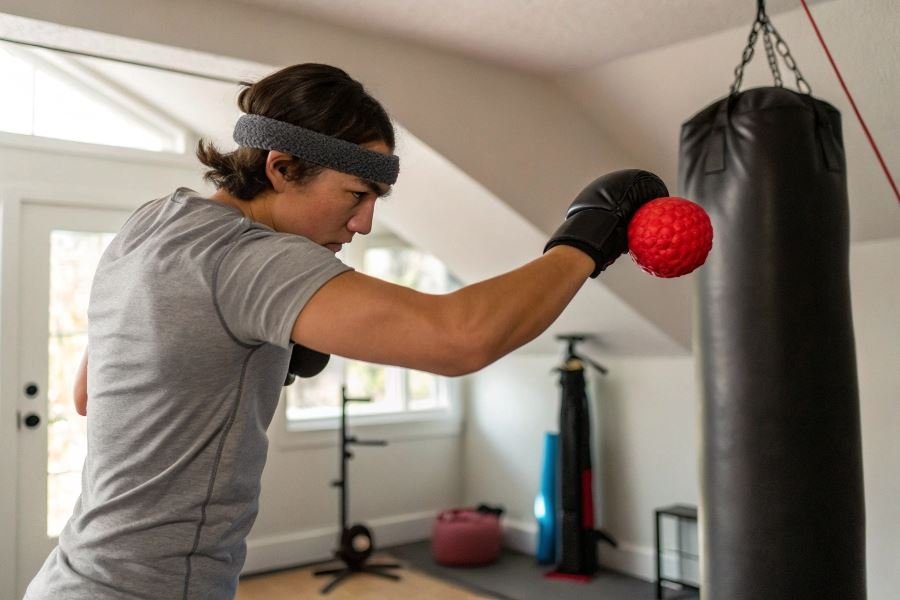
Hanging balls suspended from ceilings or doorways create perfect targets for combat sports practitioners. Boxing reflex balls improve hand-eye coordination while requiring just a few square feet of space.
Sport-Specific Modifications for Home Use
Traditional sports equipment often comes in home-friendly versions that maintain authentic feel while minimizing risk.
| Sport | Home Training Ball | Key Benefits |
|---|---|---|
| Soccer | Mini or lightweight footballs | Reduced bounce, safer for furniture |
| Basketball | Mini basketballs (28.5″ or smaller) | Lower bounce height, easier handling indoors |
| Baseball | Soft training baseballs | Similar weight, dramatically reduced impact |
| Tennis | Foam practice tennis balls | 75% slower bounce, perfect for technique work |
These modified balls allow you to practice authentic movements without requiring regulation space. The Wilson NCAA Mini Basketball gives you the genuine feel of a regulation ball at a fraction of the size, making it perfect for dribbling drills in hallways or small rooms.
Durability and Safety Considerations
When selecting training balls for home use, durability and safety should be top priorities:
-
Surface compatibility – Choose balls designed for your flooring type. Hardwood floors require softer, less bouncy options compared to carpeted areas.
-
Impact resistance – Look for balls with foam construction or fabric outer layers that won’t mark walls or damage furniture upon impact.
-
Noise level – Consider neighbors in apartments or sleeping family members. Franklin Sports Whiffle Balls provide excellent strike practice with minimal noise.
-
Longevity – Quality training balls should withstand thousands of repetitions. Invest in options with reinforced seams and durable materials.
Pro tip: Always establish a dedicated practice zone with adequate clearance from breakables. Even the safest training ball can cause damage when misdirected.
The best home training balls balance authentic feel with practical considerations. By selecting equipment specifically designed for limited spaces, you’ll maintain skill development without sacrificing your security deposit or family heirlooms.
The Ultimate Guide to Strike Practice Balls for Home Training
When you’re looking to sharpen those strikes without demolishing your living room, choosing the right ball makes all the difference. I’ve tested dozens of training balls across various surfaces and spaces, and I’m pumped to share what actually works when you’re confined to home training environments.
Versatile performers for any home setup
The gold standard for home strike practice has to be the Nike Strike Pro training ball. This beauty offers the perfect balance between authentic feel and home-friendly design. With a cushioned foam layer beneath its durable exterior, it delivers realistic ball response while reducing noise and potential damage—crucial when you’re working on power shots in limited space.
For those with slightly more room to work with, the Adidas Tango Trainer deserves serious consideration. It’s approximately 15% lighter than a standard match ball but maintains nearly identical flight characteristics. The reduced weight means less momentum when it hits walls or furniture, but you’ll still develop the proper technique.
The dark horse in this category is the Select Futsal Super ball. Though designed for futsal, its low-bounce properties make it ideal for confined spaces. The slightly smaller size (size 4) allows for tighter control while still developing transferable striking skills.
Quality strike practice without breaking the bank
Not everyone needs to spend $50+ on a training ball. The Mitre Impel offers remarkable durability at half the price of premium options. Its slightly textured surface provides excellent grip for practicing curve shots and free kicks, even in smaller spaces.
The Wilson NCAA Vivido training ball delivers consistent performance at a budget-friendly price point. What makes this ball special is its reinforced bladder that maintains shape even after thousands of strikes—essential for developing muscle memory with consistent feedback.
For under $25, the Puma TeamFINAL training ball offers surprising quality. Its hybrid stitching technology prevents the shape distortion that plagues most budget balls, ensuring your practice remains effective over time.
Extending your ball’s training lifespan
Even the best training balls will deteriorate if not properly maintained. Here’s a quick-reference guide to maximizing your investment:
| Maintenance Task | Frequency | Benefits |
|---|---|---|
| Proper inflation | Check weekly | Maintains consistent response and prevents bladder damage |
| Surface cleaning | After every 3-5 sessions | Prevents dirt buildup that affects ball flight |
| Rotation of strike zones | Every session | Distributes wear evenly across the ball |
| Indoor storage | Always | Prevents weather damage and UV deterioration |
The most overlooked aspect of ball maintenance is proper inflation. Invest in a quality pressure gauge—the Baden Precision Ball Pressure Gauge is excellent—and maintain the manufacturer’s recommended PSI (typically between 8.5-15.5 PSI depending on the ball).
For indoor training, store your ball away from heating vents or direct sunlight, both of which can degrade the materials over time. A mesh bag hung in a closet provides ideal airflow while keeping your ball off potentially damaging surfaces.
Remember that even budget-friendly balls can last for months of intensive training when properly maintained. The key is consistency—both in your practice routine and your maintenance habits.