
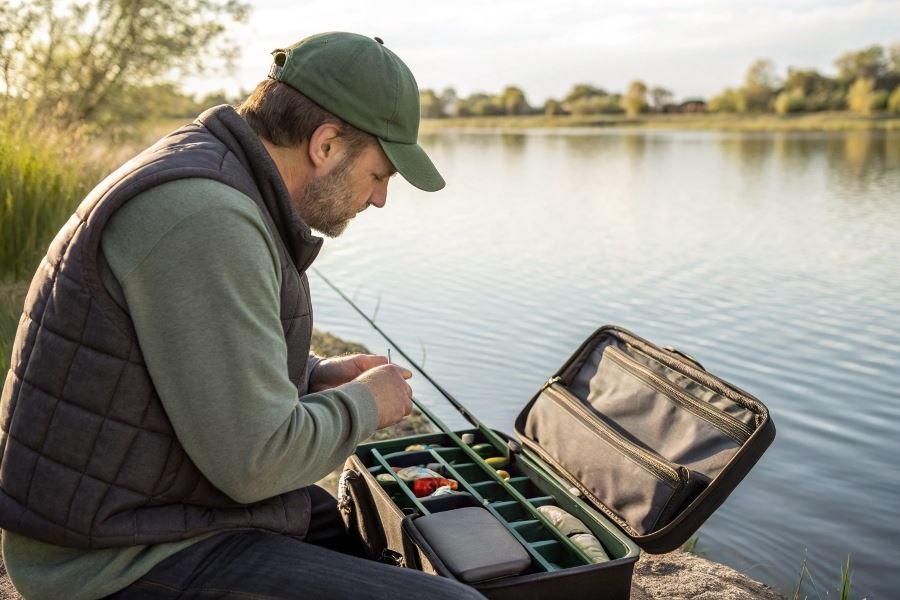
Ever missed the perfect catch because you couldn’t find your lure fast enough? The difference between landing that trophy bass and telling another “one that got away” story often comes down to how quickly you can access the right tackle at the critical moment.
When anglers hit the water, organization isn’t just about neatness—it’s about maximizing fishing time and opportunities. The age-old debate between tackle bags and boxes represents more than just a storage preference; it’s about adapting your gear system to your fishing style, environment, and mobility needs.
Proper tackle organization is the unsung hero of fishing success. Studies show that competitive anglers spend up to 30% less time searching for gear when using optimized storage systems. That translates directly into more casts, more fish, and more memorable days on the water.
“The difference between a good angler and a great one often isn’t what they know—it’s how quickly they can adapt to changing conditions.” — Professional bass angler Kevin VanDam
Key differences that matter
Tackle bags offer fabric flexibility, multiple compartments, and often include shoulder straps for hands-free transport. They excel in versatility but may sacrifice durability in harsh environments.
Tackle boxes provide rigid protection with customizable compartments, typically featuring hard plastic construction that stands up to the elements. While offering superior protection, they can be bulkier and less adaptable than their soft-sided counterparts.
Decision factors to consider
When choosing your storage solution, evaluate:
- Fishing environment: Saltwater demands corrosion-resistant options
- Mobility needs: Shore anglers covering distance need lightweight solutions
- Tackle quantity: Specialized trips require fewer lures than all-day expeditions
- Weather exposure: Extreme conditions favor waterproof hard cases
- Organization style: Visual organizers benefit from clear compartments
The perfect storage system matches your specific fishing approach—there’s no universal solution that works for everyone’s tackle collection.
Tackle Storage Showdown: Bags vs Boxes
When you’re knee-deep in a pristine stream or balancing on the edge of your favorite fishing spot, the last thing you want is fumbling through disorganized gear. The age-old debate of bag or box for storing fishing tackle continues to divide anglers across America’s waterways. Each option brings distinct advantages that can make or break your fishing experience, depending on your specific needs and fishing style.
Most serious anglers eventually face this critical equipment decision as their collection of lures, hooks, and accessories grows. Bag or box: which is better for storing fishing tackle often comes down to understanding the nuances of each option against what matters most in your fishing adventures. Let’s dive into the key factors that should influence your choice.
Portability That Goes the Distance
Tackle bags typically win the mobility contest, weighing significantly less than their rigid counterparts. A standard soft-sided tackle bag weighs 2-4 pounds empty, while comparable hard tackle boxes often start at 5-7 pounds before adding a single lure. For those hiking to remote fishing spots or covering significant shoreline distances, this weight difference becomes crucial.
Shoulder straps make a world of difference when trekking to secluded fishing spots. Many premium tackle bags from brands like Plano and Shimano feature padded, adjustable straps that distribute weight evenly across your shoulders, leaving hands free for carrying rods or navigating difficult terrain.
Hard boxes, however, offer stability on boats where movement might send a soft bag sliding across the deck during choppy conditions.
Organization Systems That Make Sense
| Feature | Tackle Bags | Tackle Boxes |
|---|---|---|
| Compartment Types | Customizable via utility boxes | Fixed compartments |
| Accessibility | Multiple access points | Top-opening design |
| Adaptability | Highly configurable | Predetermined layout |
Tackle boxes provide visible organization with molded compartments that keep everything in its designated space. This fixed organization system works perfectly for anglers who maintain a consistent arsenal of tackle.
Bags offer superior customization through removable utility trays that can be swapped out based on the day’s fishing targets. This modular approach allows you to prepare specialized setups for different species or conditions without repacking your entire collection.
Weather Resistance and Durability Factors
Hard plastic tackle boxes deliver unmatched protection against crushing and impact damage. They’re virtually impervious to being stepped on or having heavy objects dropped on them—a common occurrence on busy boats.
Modern tackle bags have narrowed the durability gap with:
- Water-resistant nylon or polyester exteriors
- Reinforced stitching at stress points
- Molded waterproof bottoms
- Corrosion-resistant zippers
However, in extreme weather conditions, hard boxes with rubber gaskets provide superior protection against driving rain and splashing water that might seep through even the best bag zippers.
Storage Capacity That Grows With Your Collection
The expandability of tackle bags represents their greatest advantage for serious collectors. Many feature:
- Expandable side pockets
- Adjustable dividers
- External attachment points for tools
- Stretchy mesh compartments for oddly shaped items
Hard boxes offer predictable, fixed capacity that prevents overpacking but limits flexibility when your collection inevitably grows.
On-Water Access That Keeps You Fishing
Quick access translates directly to more time with your line in the water. Tackle bags typically feature multiple zippered compartments allowing you to organize gear by fishing scenario rather than tackle type. This means grabbing exactly what you need without disturbing your entire setup.
Hard boxes require opening the entire unit, potentially exposing all contents to the elements or risking spills when the boat rocks. However, their rigid structure means they can double as impromptu seating or work surfaces—something no soft bag can offer.
The ultimate choice depends on your specific fishing style, but many experienced anglers eventually adopt a hybrid approach: a hard box for boat fishing and a tackle bag for shore fishing or traveling to destinations where weight and portability matter most.
Bag vs Box: The Ultimate Fishing Tackle Storage Showdown
When the fish are biting, the last thing you want is to waste precious minutes digging through disorganized gear. Your choice between a tackle bag or box isn’t just about storage—it’s about maximizing your time on the water and protecting your investment in quality equipment.
When tackle bags shine brightest
Tackle bags have evolved dramatically from the simple canvas sacks of yesteryear. Today’s models from brands like Plano and Simms offer specialized compartments that make them ideal in several scenarios:
Mobile fishing adventures benefit tremendously from bags’ lightweight, over-the-shoulder design. If you’re hiking to remote streams or covering significant shoreline distances, the reduced weight (typically 2-4 pounds empty) makes a noticeable difference by day’s end.
Shore anglers particularly appreciate how bags conform to uneven surfaces while providing quick access to frequently changed lures. The soft-sided construction allows you to squeeze your gear into tight spaces—perfect for kayak fishing where rigid boxes might not fit.
Bags also excel for specialized fishing styles. Fly fishermen benefit from purpose-built bags with foam inserts for flies and dedicated tool stations, while bass anglers appreciate the ability to carry up to 8 standard utility boxes in premium models.
When tackle boxes rule the day
The traditional tackle box remains undefeated in certain situations:
Harsh weather conditions call for the superior protection of a hard-sided box. When facing driving rain or saltwater spray, nothing beats the waterproof seal of a quality tackle box from manufacturers like Flambeau or Berkley.
Organization enthusiasts gravitate toward boxes for their fixed compartments and visible inventory at a glance. The rigid structure prevents smaller items from shifting during transport, and premium models feature up to 37 adjustable compartments.
Boxes also provide superior protection for delicate equipment. Expensive electronics, precision tools, and fragile lures remain secure in molded compartments designed to prevent movement and contact between items.
Hybrid solutions: The best of both worlds
The fishing industry has recognized that many anglers need flexibility, creating innovative hybrid options:
Backpack tackle systems combine the organization of boxes with the comfort of bags. These vertical storage solutions from companies like Spiderwire distribute weight evenly across your back while providing quick access through multiple entry points.
Modular systems represent the cutting edge of tackle storage. These feature a main bag or backpack with removable components—allowing you to customize your loadout for each fishing trip without repacking entirely.
Some innovative anglers create personalized hybrid setups by using a primary tackle bag with specialized utility boxes inside. This approach allows for quick grab-and-go convenience while maintaining the superior organization of compartmentalized boxes.
The perfect storage solution isn’t about following trends—it’s about matching your specific fishing style, locations, and equipment needs.
The ultimate decision comes down to your fishing profile: frequent movement favors bags, stationary fishing with varied tackle suggests boxes, and those who do both should consider hybrid options. Whatever you choose, the right storage solution transforms fishing from frustrating fumbling to fluid fun—letting you focus on what matters most: the thrill of the catch.