
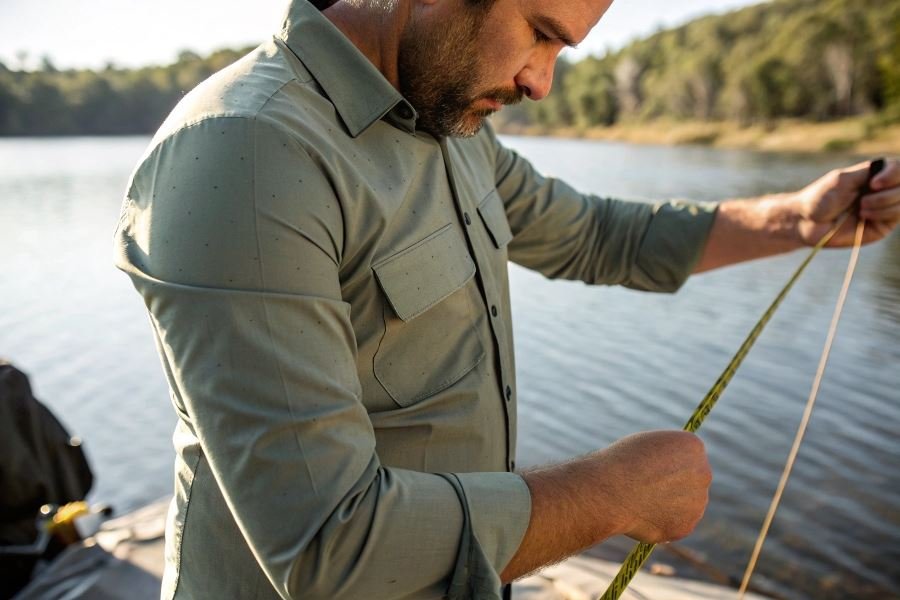
Ever stood on a boat at noon in July, feeling like you’re being slow-cooked inside your own shirt? That’s not just discomfort—it’s your body telling you something’s wrong with your gear selection. While anglers obsess over rod actions and lure colors, the fabric touching your skin for 8+ hours might be the most crucial equipment decision you’ll make.
The perfect summer fishing shirt isn’t just about looking good in photos with your catch. It’s about creating a microclimate that keeps you performing at your peak when temperatures soar. The right material becomes your personal cooling system, UV shield, and moisture manager all in one.
When selecting fabrics for those long days on the water, three factors reign supreme: breathability, moisture-wicking capability, and sun protection. The material needs to allow air circulation while pulling sweat away from your skin—all while blocking harmful UV rays that reflect off the water’s surface at nearly double intensity.
Modern performance fishing shirts have evolved dramatically since the cotton options of decades past. Today’s technical fabrics can keep your core temperature regulated even when the mercury hits triple digits. This isn’t just about comfort—it’s about safety and stamina when you’re miles from shore or wading in remote streams.
Your fishing shirt isn’t just clothing—it’s specialized equipment that deserves as much consideration as your tackle.
The Ultimate Guide to Summer Fishing Fabrics
When the sun beats down but the fish are biting, your choice of long-sleeve shirt can make or break your day on the water. The perfect summer fishing shirt needs to balance sun protection with breathability, moisture management with durability. Let’s dive into the materials that serious anglers trust when temperatures rise.
Selecting what material is best for long-sleeve shirts for summer fishing requires understanding how different fabrics perform under specific conditions. The right choice depends on factors like humidity levels, expected temperatures, and your personal comfort preferences. Let’s explore the top contenders that have earned their place in every angler’s wardrobe.
Synthetic Performance Fabrics
Polyester and nylon blends dominate the fishing apparel market for good reason. These engineered fabrics offer unmatched moisture-wicking capabilities, pulling sweat away from your skin and dispersing it for rapid evaporation.
The quick-dry factor alone makes synthetics worth considering, especially for multi-day fishing trips.
Modern synthetic fishing shirts from brands like Columbia and Simms incorporate:
- UPF 50+ sun protection
- Antimicrobial treatments to prevent odor
- Mechanical stretch for unrestricted casting
- Mesh ventilation zones for enhanced airflow
| Feature | Benefit |
|---|---|
| Moisture-wicking | Keeps you dry even during peak activity |
| Lightweight | Reduces fatigue during long fishing sessions |
| Quick-drying | Essential when splashed or caught in rain |
| Durable | Resists snags from hooks and equipment |
Technical Cotton and Cotton Blends
Don’t write off cotton entirely. Technical cotton and thoughtfully engineered cotton blends have evolved dramatically, addressing traditional cotton’s weaknesses while preserving its natural comfort.
Modern cotton fishing shirts from Orvis and Patagonia feature:
- Cotton/synthetic hybrid constructions
- Strategic ventilation panels
- Reinforced elbows and shoulders
- Hidden button-down collars to prevent flapping
The natural feel against skin makes technical cotton ideal for anglers with sensitive skin or those who find synthetics uncomfortable in humid conditions.
These aren’t your basic t-shirts—they’re purpose-built for the demands of summer fishing, offering a perfect middle ground between performance and comfort.
Bamboo and Natural Performance Fibers
Bamboo-based fabrics represent the cutting edge of sustainable performance wear. This remarkable material offers natural UV protection, inherent antimicrobial properties, and exceptional softness.
Bamboo fabric’s natural temperature regulation can keep you up to 3 degrees cooler than cotton and significantly cooler than synthetic options.
Other natural performance fibers making waves in fishing apparel include:
- Tencel/Lyocell: Derived from eucalyptus, offering exceptional moisture management
- Hemp blends: Providing durability that improves with age
- Merino wool blends: Yes, wool! Ultra-fine merino in lightweight blends offers surprising comfort in warm conditions
Brands like Free Fly have pioneered bamboo-based fishing apparel that delivers on both performance and environmental responsibility.
The ideal summer fishing shirt material ultimately depends on your specific needs, but these three categories represent the best options for staying comfortable and protected during those long days chasing the perfect catch.
The Ultimate Material Showdown for Summer Fishing Shirts
When the sun beats down and the fish are biting, your choice of fishing shirt material becomes your first line of defense against the elements. After examining the contenders, it’s time to crown our champions and help you make the perfect selection for your summer angling adventures.
Material Performance Matrix
Let’s cut to the chase with a side-by-side comparison of how each material performs where it matters most:
| Material | UV Protection | Moisture-Wicking | Breathability | Durability | Quick-Dry |
|---|---|---|---|---|---|
| Nylon | ★★★★☆ | ★★★☆☆ | ★★★☆☆ | ★★★★★ | ★★★★☆ |
| Polyester | ★★★★☆ | ★★★★★ | ★★★☆☆ | ★★★★☆ | ★★★★★ |
| Bamboo | ★★★☆☆ | ★★★★☆ | ★★★★★ | ★★☆☆☆ | ★★★☆☆ |
| UPF-Treated Cotton | ★★★★☆ | ★★☆☆☆ | ★★★☆☆ | ★★★☆☆ | ★☆☆☆☆ |
| Nylon/Poly Blends | ★★★★★ | ★★★★☆ | ★★★★☆ | ★★★★☆ | ★★★★☆ |
Keeping Your Gear in Prime Condition
Different materials demand different care approaches to maximize their lifespan:
Synthetic Fabrics (Nylon/Polyester): These workhorses require minimal babysitting. Machine wash in cold water, avoid fabric softeners (they clog moisture-wicking properties), and air dry or tumble dry on low. Most quality fishing shirts from brands like Columbia or Simms will maintain their performance through hundreds of washes.
Bamboo Blends: Slightly more demanding but worth the effort. Wash in cold water with mild detergent and air dry to prevent shrinkage. The natural antimicrobial properties mean you can often get multiple wears before washing—a bonus during multi-day fishing trips.
UPF-Treated Cotton: The high-maintenance option. Hand washing is ideal, but gentle cycle works too. Avoid harsh detergents that can degrade the UV treatment. These typically need replacement sooner as the UV protection diminishes over time (usually after 30-40 washes).
The best fishing shirt is the one that’s properly maintained. Even premium materials fail when neglected.
Environment-Specific Recommendations
Your fishing environment should dictate your material choice:
Saltwater Flats Fishing: Nylon/polyester blends reign supreme here. The relentless sun and constant exposure to salt spray demand maximum UV protection and quick-drying capabilities. HUK makes exceptional options specifically designed for these conditions.
Freshwater Lake Fishing: Polyester shirts excel when you’re dealing with variable conditions and occasional splashing. Their superior moisture-wicking keeps you comfortable during those long days trolling.
River Fishing: Bamboo blends offer the breathability needed when wading in humid river environments. The natural cooling effect makes a noticeable difference during summer hatches.
Bass Boat Tournaments: UPF-treated performance fabrics with added ventilation panels keep you protected and camera-ready. Look for designs with mechanical stretch for unrestricted casting.
The perfect fishing shirt material ultimately depends on your personal priorities. If durability tops your list, nylon-dominant blends will serve you longest. If comfort in high heat is paramount, bamboo blends deliver unmatched breathability. For those marathon sessions under the summer sun, UPF 50+ polyester blends offer the best combination of protection and performance.
Whatever material you choose, remember that fit matters just as much as fabric. A properly sized shirt with ventilation features will outperform even the most advanced material that fits poorly.