
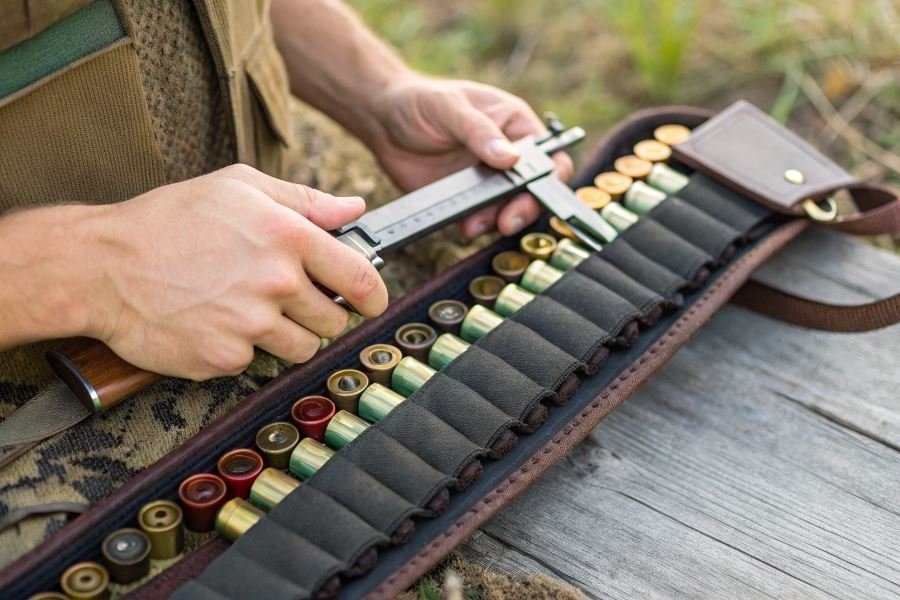
Ever stood knee-deep in marsh water, reaching for ammunition only to find your cartridge belt has become a soggy, unusable mess? Or perhaps you’ve given away your position to a trophy buck because your belt squeaked at the worst possible moment? The material of your cartridge belt isn’t just a detail—it’s often the difference between success and failure in the field.
When selecting materials for cartridge belts, hunters face a critical decision that directly impacts their performance. The right choice varies dramatically depending on whether you’re stalking elk in Montana’s snowy mountains or pursuing wild boar in Florida’s humid swamps. Each environment demands specific material properties that can withstand its unique challenges.
Durability stands as the foundation of any quality cartridge belt. Premium leather options have served hunters faithfully for generations, with many vintage belts from the 1950s still performing admirably today. Meanwhile, modern synthetic materials like ballistic nylon offer remarkable tear resistance while weighing significantly less.
Weather resistance becomes paramount when considering your hunting grounds. While traditional leather develops character with age, it requires regular maintenance to prevent water damage. Conversely, materials like thermoplastic elastomers (TPE) and treated canvas remain functional even after complete submersion.
“The noise your gear makes when you’re not moving tells predators more about you than the noise you make when you are.” — Veteran hunting guide Jim Carmichael
The comfort factor cannot be overlooked, especially during all-day hunts. Materials that remain flexible in cold conditions or don’t absorb sweat in heat can prevent the distraction of discomfort when that perfect shot opportunity arrives.
The Material Matters: Cartridge Belt Selection for Every Hunt
When you’re miles deep in the backcountry tracking that elusive buck, the last thing you need is equipment failure. Your cartridge belt isn’t just an accessory—it’s a critical piece of gear that can make or break your hunt. Let’s dive into the materials that separate the merely functional from the truly exceptional.
Leather: The Time-Tested Classic
Leather cartridge belts remain the gold standard for many seasoned hunters, and for good reason. The natural durability of high-quality leather creates a belt that can literally last generations. Many hunters proudly wear belts passed down from their grandfathers, complete with the patina and character that only decades of use can create.
When selecting materials for cartridge belts, understanding what is more practical for different hunting conditions becomes crucial to your success in the field. A premium full-grain leather belt offers unmatched cartridge retention—the natural “grip” of leather keeps shells secure yet accessible when that perfect shot opportunity presents itself.
Advantages:
- Exceptional durability (20+ years with proper care)
- Develops character with age
- Superior cartridge retention
- Classic aesthetic that pairs well with traditional hunting gear
Limitations:
- Significant weight (typically 1.5-2x heavier than synthetic options)
- Requires maintenance with leather conditioner
- Performance suffers in wet conditions
- Extended moisture exposure can lead to warping and mildew
Synthetic Materials: The All-Weather Performers
The evolution of synthetic materials has revolutionized hunting gear, and cartridge belts are no exception. Nylon and polyester constructions offer remarkable performance advantages, particularly in challenging weather conditions.
Key Benefits:
- Lightweight (typically 30-40% lighter than leather equivalents)
- Quick-drying (most synthetic belts dry in 1-2 hours vs. 1-2 days for leather)
- Virtually maintenance-free
- Consistent performance regardless of temperature or humidity
Modern synthetic cartridge belts from manufacturers like Browning and Allen Company incorporate water-resistant coatings and UV protection that extend their lifespan significantly. The best synthetic options feature reinforced stitching at stress points and military-grade hardware that stands up to abuse.
Canvas and Webbing: The Versatile Middle Ground
For hunters seeking balance between tradition and technology, canvas and webbing materials offer compelling advantages. These materials bridge the gap between leather’s classic appeal and synthetic’s weather resistance.
Why Consider Canvas:
- Moderate weight (approximately 25% lighter than leather)
- Natural materials with synthetic performance benefits
- Excellent abrasion resistance for brush hunting
- Cost-effective without sacrificing quality
Canvas cartridge belts excel in mixed terrain hunting where you might encounter everything from dense forest to open fields. The material’s natural breathability prevents the sweating and discomfort sometimes associated with synthetic options during high-exertion hunts.
Many canvas belts incorporate webbing reinforcement at critical stress points, creating a hybrid approach that maximizes durability while maintaining flexibility. This combination proves particularly effective for upland bird hunters who need quick access to shells while moving through varied cover.
Your hunting environment should ultimately dictate your material choice. Desert hunters benefit from synthetic’s resistance to heat and dust, while those in traditional woodland settings might prefer leather’s silent operation and reliable performance in moderate conditions. For those facing unpredictable weather or mixed environments, canvas and webbing options provide versatile performance that adapts to changing conditions.
Mastering the Match: Cartridge Belt Selection for Your Hunt
Environment-Driven Decision Making
Choosing the right cartridge belt material isn’t just about preference—it’s about performance in your specific hunting environment. Desert hunters face scorching heat and abrasive sand, making nylon webbing with its heat resistance and quick-drying properties an exceptional choice. The synthetic fibers won’t crack under intense UV exposure like leather might.
For forest environments, full-grain leather reigns supreme. Its natural sound-dampening qualities prevent that telltale “clink” when cartridges shift—crucial when stalking deer or elk through quiet woodlands. The material also offers excellent tear resistance when navigating through thick brush and branches.
Wetland hunters need materials that can handle constant moisture without deterioration. Biothane and synthetic polymers have revolutionized this space, offering waterproof performance that traditional materials can’t match. These materials won’t absorb water, preventing that uncomfortable soaked-weight feeling that leather develops after hours in marshy conditions.
Extending Your Investment Through Proper Care
Each material demands specific maintenance to maximize longevity:
Leather requires the most attention but rewards your effort. Apply a quality leather conditioner like Obenauf’s Heavy Duty LP quarterly to prevent cracking and maintain water resistance. After wet hunts, allow leather to dry naturally—never use direct heat, which causes shrinkage and brittleness.
Nylon and synthetic belts need less babying but aren’t maintenance-free. Rinse with fresh water after exposure to salt water or mud. Remove metal components when possible before washing to prevent corrosion transfer. UV protectant sprays can extend the life of these materials by up to 40% in high-sun environments.
This maintenance comparison highlights key differences:
| Material | Cleaning Method | Conditioning Frequency | Expected Lifespan |
|---|---|---|---|
| Leather | Damp cloth, specialized cleaner | Every 3-4 months | 10-20+ years with proper care |
| Nylon | Machine washable (gentle) | None required | 5-8 years |
| Biothane | Soap and water | None required | 8-12 years |
| Cordura | Machine washable (gentle) | Water repellent annually | 7-10 years |
Versatility Champions for Multiple Hunting Scenarios
For hunters who traverse diverse environments, certain materials and designs offer exceptional versatility:
Waxed canvas provides an outstanding balance of water resistance, durability, and noise control. Originally developed for sailors facing harsh conditions, modern waxed canvas from manufacturers like Filson combines traditional performance with contemporary treatments.
Hybrid designs have emerged as game-changers. Belts featuring leather bases with synthetic reinforcements at high-wear points offer the best of both worlds—the classic feel and silence of leather with the weather resistance of modern materials.
The adjustability factor cannot be overlooked. Belts with modular attachment systems allow customization based on your current hunt. Look for options with MOLLE-compatible webbing or interchangeable cartridge loops that can be reconfigured for different calibers.
For the ultimate all-condition performer, consider military-grade Cordura with water-resistant coating. This material stands up to extreme conditions while maintaining flexibility in cold weather when other materials stiffen.
Remember that the perfect cartridge belt balances material properties with your specific hunting style. The best choice isn’t always the most expensive or newest technology—it’s the one that disappears from your awareness during the hunt because it’s performing exactly as needed.