
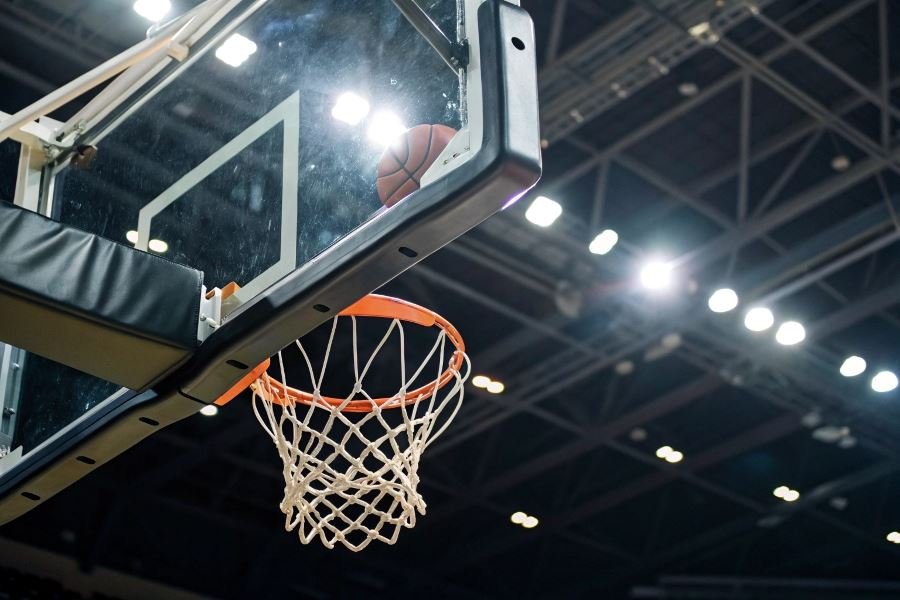
Ever watched a 6-year-old trying to shoot on a 10-foot hoop? It’s like asking them to throw a tennis ball to the moon. Basketball’s accessibility problem plagued the sport for decades—until adjustable backboard systems changed the game forever.
The basketball backboard has undergone a remarkable transformation since James Naismith hung those first peach baskets in 1891. From wooden boards to tempered glass, the evolution was steady but conservative—until the adjustable revolution began in the late 1970s. What started as clunky, manual systems requiring wrenches and ladders has morphed into sophisticated hydraulic and pneumatic mechanisms that transform with the press of a button.
Today’s adjustable backboards deliver game-changing benefits across user groups. For families, they mean the difference between a dusty, unused hoop and the neighborhood’s most popular driveway. Youth coaches leverage height adjustments to develop proper shooting mechanics without the frustration of constant airballs. And for adults of varying heights sharing the same system? It’s the difference between competitive play and constant compromise.
The mechanics behind the magic
Modern adjustment systems fall into three primary categories:
- Pneumatic systems that use air pressure for smooth, controlled height changes
- Crank mechanisms offering budget-friendly manual adjustments
- Advanced hydraulics providing effortless transitions between heights
The importance of these mechanisms extends beyond convenience—they’re about inclusivity. When a backboard can meet players where they are, basketball becomes not just a sport for the tall and strong, but truly a game for everyone.
The Engineering Behind Adjustable Backboards
Manual vs Hydraulic Height Systems
The difference between a good driveway game and a professional-level practice often comes down to the equipment. Adjustable basketball backboards have revolutionized home courts, allowing players of all ages to experience the game at their optimal height. The mechanism behind this functionality represents a fascinating blend of engineering and practical design.
Manual adjustment systems typically employ one of three mechanisms: crank, telescoping pole, or broomstick pin designs. The crank system uses a simple handle that, when turned, activates a gear mechanism to raise or lower the backboard. These systems offer adjustable basketball backboards: functionality and convenience without requiring significant strength, though they do demand some patience as adjustments happen incrementally. Telescoping poles use overlapping sections that lock into place at predetermined heights, while pin systems require physically removing a pin, adjusting the height, and reinserting the pin.
Hydraulic systems, by contrast, represent the premium end of the market. Using pressurized fluid within cylinders, these systems allow for smooth, resistance-free adjustments that can be made with minimal effort. Brands like Spalding and Lifetime have perfected these systems, enabling height adjustments from regulation 10 feet down to 5.5 feet with the press of a lever or push of a button. The convenience comes at a price point typically starting around $400, compared to manual systems that begin around $150.
Stability Across Height Settings
What good is adjustability if the backboard wobbles with every shot? Stability considerations become increasingly critical as backboards move from their highest to lowest positions.
The physics of stability changes dramatically as the center of gravity shifts with height adjustments. Most quality systems incorporate counterbalance technologies that maintain consistent stability regardless of height setting. This typically involves:
| Stability Feature | Function | Found In |
|---|---|---|
| Base Ballast | Provides foundational weight (typically water or sand) | Most portable systems |
| Counterweight Mechanisms | Balances the backboard weight as height changes | Mid to high-end systems |
| Support Braces | Reduces vibration and movement during play | All permanent installations |
Professional-grade systems maintain a “dead bounce” (minimal vibration after ball contact) even at lower height settings. Budget systems often sacrifice this performance at lower heights, with vibration increasing as the backboard is lowered.
Weather Resistance and Outdoor Performance
The elements show no mercy to outdoor equipment. A backboard system that performs beautifully in July might become a rusted, cracked disappointment by November without proper weather resistance engineering.
Modern outdoor-rated systems incorporate:
- UV-stabilized polyethylene for backboard components, preventing yellowing and brittleness
- Powder-coated steel for structural elements, offering 3-5 times the corrosion resistance of painted surfaces
- Weather-sealed adjustment mechanisms with protective covers for hydraulic components
The performance gap between indoor and outdoor systems has narrowed significantly. Goalrilla systems, for instance, maintain consistent rebound performance despite temperature fluctuations from 20°F to 110°F, thanks to tempered glass backboards and reinforced mounting brackets.
For regions experiencing extreme weather, look for systems with specific cold-weather hydraulic fluid (for hydraulic systems) and additional rust-prevention treatments on all metal components. These features might add $75-150 to the system cost but can extend outdoor lifespan from 5-7 years to 10+ years of reliable performance.
Making Your Backboard Work for Everyone
Installation That Won’t Break Your Back
Setting up an adjustable basketball backboard shouldn’t require an engineering degree. Most modern systems come with detailed instructions, but installation requirements vary significantly based on the mounting type. Wall-mounted systems typically need solid brick or concrete surfaces, while portable systems simply roll into place.
Maintenance matters more than most realize. Outdoor systems face constant weather exposure, requiring weather-resistant materials like powder-coated steel and polyethylene backboards. The Spalding NBA-grade systems use rust-resistant hardware that extends system life by up to 5 years compared to budget alternatives.
Routine maintenance checklist for longevity:
- Tighten all bolts quarterly
- Check adjustment mechanisms monthly
- Apply silicone lubricant to moving parts twice yearly
- Inspect for rust or cracks seasonally
The difference between a system that lasts 3 years versus 10+ often comes down to 30 minutes of maintenance per season.
One Hoop to Rule All Ages
The true magic of adjustable backboards lies in their multi-age functionality. With height adjustments typically ranging from 7.5 to 10 feet, a single system can accommodate everyone from kindergartners to adults.
Some standout features for family-friendly systems:
| Feature | Benefit | Found In |
|---|---|---|
| Pneumatic lift | Single-hand height adjustment | Lifetime Elite systems |
| Crank handle | Precise height control | Goalrilla GS series |
| Telescoping pole | Multiple preset heights | Silverback NXT |
The Lifetime Height Adjustment System allows changes in 6-inch increments, perfect for tracking a child’s growth or switching between adult and youth play in seconds. This adaptability transforms a single investment into equipment that serves the entire household.
Space-Saving Solutions That Impress
For homes where space comes at a premium, storage efficiency becomes the deciding factor. Portable systems with wheels offer immediate relocation options, while wall-mounted systems free up driveway space entirely.
Fold-away designs have revolutionized the market. The Goalsetter Wall-Mount series folds flat against walls when not in use, projecting just 6 inches from the mounting surface—a 90% reduction in footprint.
Space-efficient options worth considering:
- Over-garage door mounts that utilize otherwise unused space
- Side-folding mechanisms that swing parallel to walls
- Portable bases with deflatable ballast tanks for off-season storage
The Silverback NXT Portable system collapses to just 76 inches tall with a 30-inch depth, allowing it to be stored in most standard garages without sacrificing vehicle parking space.
The best basketball system isn’t necessarily the most expensive—it’s the one that gets used most often because it fits your space and lifestyle perfectly.
When evaluating storage options, consider not just where the system will be during play, but where it needs to go during harsh weather or extended periods of non-use. The convenience of quick setup and takedown often outweighs minor performance differences for most households.