
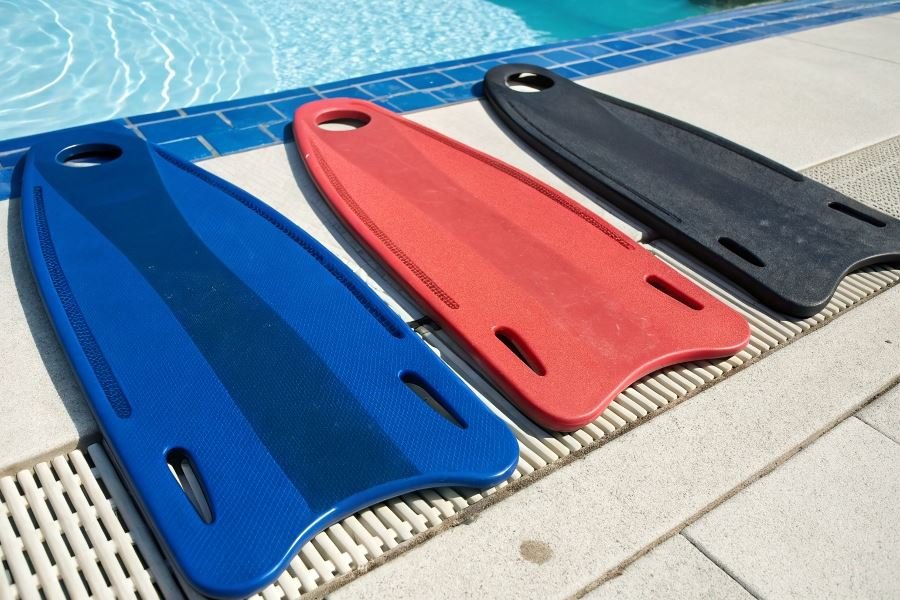
Ever watched Olympic open water swimmers and wondered about those bright orange floats trailing behind them? These aren’t just colorful accessories—they’re lifesavers, literally. Swimming buoys have evolved from simple cork floats to sophisticated safety devices that combine visibility, storage, and rest support all in one sleek package.
Swimming buoys serve as personal safety islands in open water, providing visibility to boaters and a floating rest stop when fatigue hits. They’re the unsung heroes of wild swimming’s explosive popularity, offering peace of mind without restricting movement.
The materials story is fascinating—early buoys from the 1970s relied on natural cork and basic plastics, offering minimal functionality. Today’s models feature advanced thermoplastic polyurethanes (TPU) that resist UV degradation while maintaining flexibility in varying water temperatures. The durability difference is striking: modern materials can withstand years of saltwater exposure compared to weeks for older versions.
When selecting your perfect buoy companion, three factors reign supreme: visibility (fluorescent colors that pop against water backgrounds), buoyancy ratio (matching float capacity to your body weight), and drag coefficient (how much it slows your swim). The best designs create minimal resistance while maximizing safety.
Remember: A properly chosen buoy doesn’t just keep you safe—it becomes an extension of your swimming experience, almost forgotten until the moment you need it.
The Material Science Behind Swimming Buoys
When you’re slicing through open water, the buoy trailing behind you isn’t just a bright safety marker—it’s a technological companion engineered for specific performance characteristics. The materials used in swimming buoys dramatically influence everything from visibility to durability, and understanding these differences can transform your open water experience.
Let’s dive into the fascinating world of buoys for swimming: materials and their features reveal how manufacturers have evolved these essential safety devices to meet diverse needs. Whether you’re training for a triathlon or enjoying recreational swims, the material composition of your buoy matters more than you might think.
Foam-Based Buoys: The Reliable Workhorses
Foam-based swimming buoys have earned their reputation as the industry standard for good reason. Typically constructed from closed-cell EVA (Ethylene-Vinyl Acetate) or PVC foam, these buoys offer exceptional buoyancy-to-weight ratios that remain consistent throughout their lifespan.
What makes foam buoys particularly impressive is their inherent durability. Unlike their inflatable counterparts, they can’t puncture or deflate unexpectedly—a crucial safety feature when you’re a mile offshore. The thermal insulation properties of foam also provide an unexpected benefit: they help maintain their structural integrity in varying water temperatures, from frigid lake waters to warm coastal currents.
| Foam Buoy Feature | Performance Benefit |
|---|---|
| Closed-cell construction | Water resistance and consistent buoyancy |
| UV-resistant coating | Extended lifespan in sunny conditions |
| Thermal stability | Maintains performance in temperature extremes |
| Impact resistance | Withstands collisions with rocks or boats |
Inflatable Buoys: Portable Performance
The revolution in inflatable swimming buoy technology has made open water swimming more accessible than ever. Modern inflatables utilize advanced TPU (Thermoplastic Polyurethane) or nylon-reinforced PVC that weighs mere ounces when deflated yet provides remarkable buoyancy when needed.
The genius of inflatable designs lies in their adjustability. Swimmers can customize buoyancy levels by adjusting air volume—perfect for varying conditions or training goals. This adaptability comes with maintenance requirements, however. Regular inspection for micro-tears and proper drying procedures are essential to prevent mold growth and material degradation.
Pro tip: Apply a thin layer of talcum powder to your inflatable buoy before storage to prevent material sticking and extend its usable life.
The portability factor cannot be overstated. A high-quality inflatable buoy can compress to the size of a paperback book, making it ideal for travel or swimmers with limited storage space.
Hybrid Material Buoys: Engineering Excellence
The most exciting development in recent years has been the emergence of hybrid swimming buoys that combine multiple materials for optimized performance. These engineering marvels typically feature:
- Rigid foam cores providing baseline buoyancy and structural integrity
- Inflatable chambers for adjustable buoyancy and impact absorption
- Technical fabric exteriors with enhanced visibility properties
Hybrid buoys excel in challenging conditions where single-material options might struggle. The foam components provide fail-safe flotation even if inflatable sections lose pressure, while the inflatable elements deliver the adjustability serious swimmers demand.
The exterior materials on premium hybrid buoys incorporate high-visibility fluorescent dyes and reflective elements that maintain visibility even in low-light conditions—a critical safety feature for dawn or dusk swimming sessions.
The material science behind swimming buoys continues to evolve, with manufacturers constantly testing new compounds and construction techniques to enhance performance, durability, and swimmer safety in open water environments.
Choosing Your Perfect Swimming Buoy
Swimming buoys aren’t just colorful accessories trailing behind open-water swimmers—they’re essential safety equipment that demands thoughtful selection. The material of your buoy significantly impacts its performance, durability, and suitability for different swimming environments. Let’s dive into how to match the perfect buoy to your swimming needs.
Environment-specific material selection
Different swimming conditions call for specific buoy materials that can handle the challenges:
Saltwater environments demand materials with superior corrosion resistance. TPU (Thermoplastic Polyurethane) buoys excel here, as they resist salt degradation while maintaining visibility in choppy ocean conditions. Their slightly heavier construction also helps them remain stable in currents and waves.
Freshwater lakes and calm waters work beautifully with lightweight PVC buoys. Their bright colors pop against dark lake waters, and their lighter weight creates minimal drag for training sessions.
Extreme temperature environments require specialized materials. If you’re swimming in particularly cold waters, nylon-coated buoys maintain flexibility and visibility even as temperatures drop. For warmer tropical waters, silicone-based buoys resist UV degradation that would quickly deteriorate lesser materials.
The material’s buoyancy-to-weight ratio becomes critical when swimming against currents or in choppy conditions, where a heavier, more substantial buoy might actually provide better stability.
Material maintenance matters
Each buoy material demands specific care to maximize lifespan:
| Material | Cleaning Method | Storage Requirements | Expected Lifespan |
|---|---|---|---|
| PVC | Freshwater rinse, mild soap | Deflated, dry, away from sunlight | 2-4 years |
| TPU | Freshwater rinse, specialized cleaner | Partially inflated, cool dry place | 4-7 years |
| Nylon-coated | Gentle hand wash, air dry | Hang dry completely before storage | 3-5 years |
| Silicone | Dishwasher safe (top rack) | Any dry location | 5+ years |
TPU buoys require thorough drying before storage to prevent mildew growth in seams. Their durability justifies the extra maintenance effort.
PVC options need protection from prolonged UV exposure, which can cause material brittleness over time. A simple rinse after each use dramatically extends their useful life.
The most common cause of premature buoy failure isn’t material degradation but improper storage—deflated buoys folded with sharp creases can develop weak points that eventually leak.
Tomorrow’s buoys taking shape today
The swimming buoy market is experiencing fascinating material innovations:
Biodegradable materials are emerging as environmentally conscious alternatives to traditional plastics. These plant-based polymers offer comparable performance while breaking down naturally at end-of-life.
Smart buoys with integrated GPS tracking and LED lighting systems are becoming more mainstream, using flexible solar panels embedded in the material to power safety features during extended swims.
Hybrid material construction combines the best properties of multiple materials—TPU for durability in high-stress areas with lightweight PVC in others—creating buoys that are both lightweight and exceptionally durable.
Antimicrobial coatings are being applied to premium buoys, preventing the growth of bacteria and mold even when storage conditions aren’t ideal.
The perfect swimming buoy balances material properties with your specific swimming environment and maintenance preferences. By matching these factors thoughtfully, you’ll find a buoy that not only keeps you visible and safe but also performs reliably season after season.