
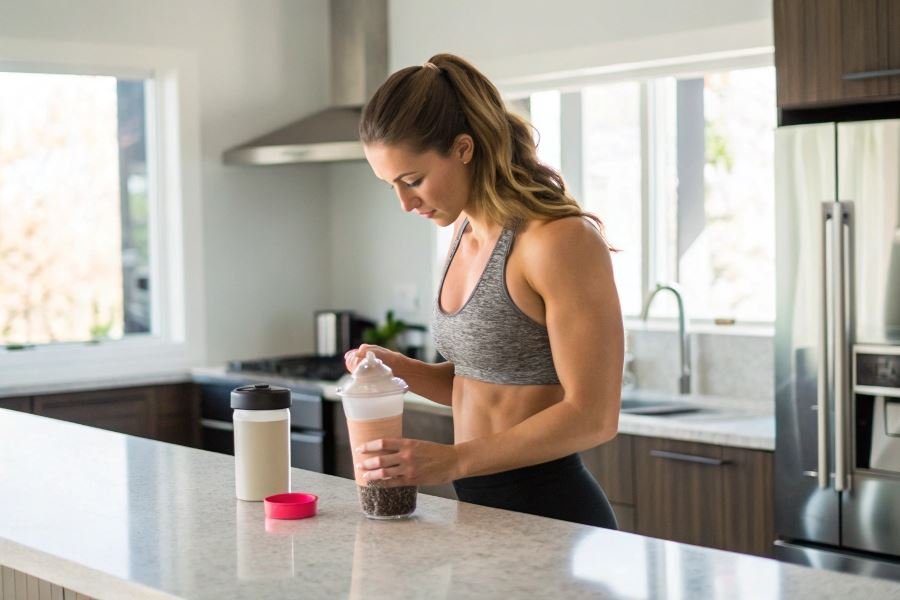
Ever wondered why that woman at the gym who’s crushing her fitness goals always has a shaker bottle in hand? The secret might be simpler than you think. While protein has long been associated with bulky bodybuilders, the truth is that women have just as much—if not more—to gain from proper protein supplementation.
Protein isn’t just another nutrient—it’s the fundamental building block your body needs after every squat, sprint, or strength session. For women specifically, adequate protein intake supports lean muscle development, accelerates recovery, and helps maintain that metabolic fire that keeps burning calories long after your workout ends.
The protein puzzle for women has unique pieces. With naturally lower testosterone levels than men, women often worry about “bulking up” from protein supplements—a concern that science has repeatedly debunked. In reality, protein shakes can be tailored to support women’s specific goals, whether that’s toning up, slimming down, or simply maintaining overall health during busy days.
Forget the myths you’ve heard about protein making women “too muscular” or that supplements are just for serious athletes. The latest research shows that women who incorporate adequate protein (about 1.6-1.8g per kg of body weight) into their nutrition plan recover faster and see better results from their training efforts.
“Protein isn’t just for bodybuilders—it’s essential nutrition for every woman who wants to feel strong, energized, and in control of her fitness journey.”
Nutritional Blueprint for Women’s Protein Shakes
Let’s cut to the chase—protein shakes aren’t one-size-fits-all, especially when it comes to women’s bodies. The science behind effective supplementation gets fascinating when we examine the specific nutritional needs that make protein shakes for women different from standard formulations.
When exploring protein shakes for women: features of selection become critically important as hormonal fluctuations, different muscle-building mechanisms, and unique recovery needs all play into the equation. The right shake can be transformative; the wrong one might just be expensive flavored water.
Protein Content That Works With Female Physiology
Women typically need between 0.5-0.75g of protein per pound of body weight, depending on activity level—slightly less than men but with different timing considerations. The type of protein matters tremendously:
- Whey isolate: Faster absorption, ideal post-workout
- Casein: Slower digestion, perfect before bed
- Plant blends: Better for hormonal balance in many women
Research from the Journal of the International Society of Sports Nutrition shows women may benefit more from protein distributed throughout the day rather than concentrated in one mega-dose.
Micronutrient Powerhouses
The micronutrient profile is where truly effective women’s protein formulations shine:
| Micronutrient | Why It Matters | Optimal Amount |
|---|---|---|
| Iron | Prevents deficiency common in female athletes | 8-18mg |
| Calcium | Supports bone density | 200-400mg |
| Vitamin D | Enhances calcium absorption | 400-800 IU |
| B vitamins | Energy production and recovery | 50-100% DV |
| Folate | Critical for women of reproductive age | 400mcg |
The synergy between these micronutrients and protein creates a supplement that supports not just muscle, but overall female health.
Macronutrient Balance for Female Performance
The caloric framework of women’s protein shakes deserves careful attention. Most women benefit from formulations that provide:
- Moderate calories: 100-150 per serving for weight management, 150-200 for muscle building
- Carbohydrate timing: 10-15g carbs post-workout accelerates recovery
- Essential fats: 2-5g of healthy fats support hormone production
What’s particularly interesting is how these macros interact with women’s typically higher estrogen levels. A study by McMaster University found that women may utilize protein more efficiently during certain phases of their menstrual cycle, suggesting that timing protein intake could optimize results.
The best formulations also consider digestibility—many women report greater sensitivity to certain protein types, with digestive enzymes becoming a game-changing addition to premium women’s protein products.
Remember that supplementation works best when tailored to your specific training goals, whether you’re looking to build lean muscle, support recovery, or complement an active lifestyle. The perfect protein shake isn’t just about what’s on the label—it’s about how it works with your unique biochemistry.
Powering Your Fitness Journey with Protein
Ladies, let’s cut to the chase—protein shakes aren’t just for bodybuilders anymore. They’re powerful tools in your fitness arsenal, but choosing the right one makes all the difference between results and disappointment. After exploring ingredients, timing, and formulations, it’s time to bring everything together and make protein work for your unique body and goals.
The Female-Focused Protein Equation
Women’s protein needs differ significantly from men’s, and the ideal supplement reflects this reality. The key differentiators for women’s protein supplements include:
- Lower calorie density while maintaining protein potency
- Added micronutrients like iron, calcium, and folate that support women’s health
- Digestive enzymes that prevent bloating and discomfort
- Hormone-supporting ingredients that work with your body’s natural cycles
Research published in the Journal of the International Society of Sports Nutrition in 2018 found that women process certain amino acids differently than men, making protein quality—not just quantity—crucial for female athletes.
Integrating Protein Into Your Daily Routine
Protein shakes work best when they complement your diet rather than dominate it. Here’s how to make them part of a balanced approach:
-
Time it right: Post-workout isn’t the only option. Consider a morning shake with complex carbs or an afternoon protein boost to prevent evening snacking.
-
Mix your sources: Alternate between plant and animal proteins to get diverse amino acid profiles.
-
Track your total intake: Your shake should contribute to your daily protein goal, not exceed it.
| Meal Timing | Protein Type | Benefits |
|---|---|---|
| Morning | Whey or plant blend | Quick absorption, sustained energy |
| Post-workout | Whey isolate | Rapid muscle recovery |
| Evening | Casein or pea/rice blend | Slow-release protein during sleep |
“Think of protein shakes as supporting actors, not the star of your nutritional show,” says sports nutritionist Dr. Lisa Moskovitz. “They fill gaps, not replace whole foods.”
When Expert Guidance Becomes Essential
While protein supplementation is generally safe, certain situations warrant professional consultation:
- Pre-existing medical conditions like kidney disease or certain autoimmune disorders
- Pregnancy or breastfeeding when nutritional needs shift dramatically
- Medication interactions that might affect protein metabolism
- Persistent digestive issues after trying different protein types
A registered dietitian can help customize your protein intake based on your specific training regimen, body composition goals, and health history. Many insurance plans now cover nutritional counseling, making expert guidance more accessible than ever.
The protein shake that transforms your friend’s fitness might fall flat for you. Listen to your body, adjust as needed, and remember that consistency trumps perfection. The right protein supplement doesn’t just build muscle—it builds confidence in your training, recovery, and overall wellness journey.