
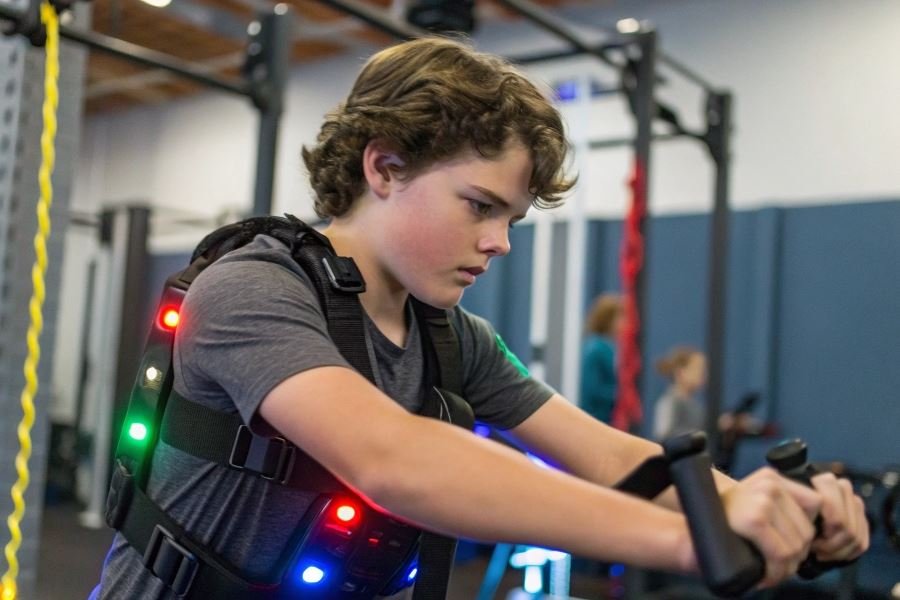
Did you know that a child’s reaction time can be up to 1.5 times slower than an adult’s? Yet that same child’s ability to improve their reaction speed can happen twice as fast with the right training! This developmental window represents one of the most overlooked opportunities in youth athletics and cognitive growth.
When we talk about developing quick reactions in young people, we’re not just preparing them for sports glory—we’re literally rewiring their brains for success. The best exercises for developing reaction in children and teenagers target both neural pathways and muscle memory, creating a foundation that serves them far beyond the playing field.
The everyday superpower hiding in plain sight
Reaction time isn’t just for athletes dodging tackles or returning serves. It’s the split-second difference between catching a falling glass, avoiding a bicycle collision, or responding correctly during a crucial classroom moment. For children navigating an increasingly fast-paced world, quick reactions represent an essential life skill.
Research from Stanford University’s developmental psychology department shows that reaction-based activities stimulate the prefrontal cortex—the brain’s command center for decision-making and focus. Children who regularly practice reaction drills show measurable improvements in:
- Cognitive processing speed (15-20% faster than peers)
- Hand-eye coordination development
- Attention span during challenging tasks
Age matters: What to expect when
A 7-year-old won’t react with the same speed as a 17-year-old—and that’s perfectly normal. Developmental neuroscience shows reaction capabilities follow predictable patterns:
“The most dramatic improvements in reaction time typically occur between ages 8-12, making this the golden window for introducing structured reaction training.” — Journal of Youth Development, 2023
The key is matching expectations and exercises to developmental stages, gradually increasing complexity as neural pathways strengthen and muscle control improves.
Sport-Specific Reaction Training That Works
When athletes make those split-second decisions that leave us breathless, they’re showcasing years of reaction training that began long before the spotlight. The foundation of elite performance isn’t just physical strength—it’s lightning-fast neural pathways developed through deliberate practice. The best exercises for developing reaction in children and teenagers combine fun with function, creating neural adaptations that serve them both on and off the field.
Ball Drills That Build Neural Pathways
Nothing tests reflexes quite like a ball coming your way with unpredictable timing and trajectory. Tennis ball drops represent the perfect starting point—have your young athlete stand with hands ready while you drop a ball from various heights without warning. The simplicity belies its effectiveness; this drill forces the brain to process visual information and coordinate a physical response in milliseconds.
Wall ball rebounds take this concept further by introducing variability. Using a Wilson tennis ball against a flat surface creates unpredictable bounces that mimic game situations. Start with two-handed catches, then progress to single-hand alternations as reaction times improve.
Partner passing drills amplify the challenge by introducing human unpredictability. Using different colored balls with specific catch instructions (e.g., “only catch the red ball with your left hand”) adds cognitive processing to pure reaction, developing decision-making pathways alongside motor skills.
Ladder and Cone Work for Multidirectional Mastery
The humble agility ladder might be the most versatile reaction training tool ever created. Beyond basic footwork patterns, reaction-focused ladder drills incorporate audible or visual cues that force immediate directional changes.
Try the “call-out drill”: as your athlete moves through the ladder with a basic pattern, randomly call “switch,” “back,” or “freeze,” requiring an immediate change in direction or movement. This trains not just physical agility but cognitive flexibility—the hallmark of great reactors.
Cone exercises build upon this foundation with more sport-specific movements:
| Drill Name | Setup | Execution | Benefit |
|---|---|---|---|
| 5-Point Star | 5 cones in star pattern | Coach points to random cone, athlete sprints to it | 360° reaction development |
| Color Rush | Colored cones in semicircle | Call color, athlete touches corresponding cone | Visual processing speed |
| Shadow Drill | Partner facing athlete | Athlete mirrors partner’s movements | Anticipatory reaction |
The key with cone work is unpredictability—the moment patterns become predictable, reaction development plateaus.
Sport-Specific Methods That Transfer
Basketball players need different reaction skills than soccer goalkeepers or tennis players. Sport-specific reaction training acknowledges these differences while building transferable skills.
For team sports, small-sided games with modified rules create reaction-rich environments. A 3v3 basketball game with a rule that passes must be made within one second forces quick decisions under pressure. Similarly, soccer rondos (keep-away circles) with two-touch maximums develop both technical skills and reaction speed.
Individual sports benefit from “chaos training”—deliberately introducing unexpected elements into practice. Tennis players might practice returns against a ball machine with random speed and spin settings. Martial artists benefit from multiple attackers coming at unpredictable intervals.
The magic happens when these sport-specific drills incorporate progressive overload—gradually increasing speed, complexity, and decision-making demands as young athletes adapt. This creates not just faster reactions, but smarter ones, setting the foundation for athletic excellence that lasts a lifetime.
Tech-Powered Reflexes: Modern Training for Young Athletes
Digital Training Tools for Lightning-Fast Reactions
The digital revolution has transformed reaction training for young athletes. Today’s tech tools offer precision, engagement, and measurable results that traditional methods simply can’t match. For children ages 6-10, apps like Reflexion provide colorful, touch-based games that develop hand-eye coordination through age-appropriate challenges. The interface uses large targets and forgiving timing windows, perfect for developing minds.
Pre-teens and teenagers benefit from more sophisticated options like Blazepod, a system of touch-sensitive LED pods that can be arranged in countless patterns. These flash-based reaction trainers create unpredictable sequences that force young athletes to respond with split-second decisions—exactly what they need in competitive situations.
Advanced reaction training systems now incorporate multiple sensory inputs. The Fitlight Trainer combines visual, auditory, and tactile stimuli, allowing coaches to design complex drills that mimic real-world sports scenarios. These multi-sensory approaches have shown remarkable effectiveness for teenagers, with studies demonstrating up to 18% improvement in reaction times over eight-week training periods.
Gaming the System: Reaction Exercises That Kids Actually Want to Do
The genius of modern reaction training lies in its gamification. Traditional drills often lead to boredom and diminishing returns, but game-based approaches maintain engagement through core gaming principles:
- Progressive difficulty that scales with improvement
- Immediate feedback on performance
- Social competition through leaderboards and challenges
- Achievement systems that reward consistency
Just Dance has emerged as a surprisingly effective reaction trainer, requiring precise timing and rapid movement changes. For team sports enthusiasts, NBA 2K and similar sports simulators demand split-second decision-making that translates to real-court awareness.
The most effective programs combine physical movement with digital feedback. Virtual reality systems like Oculus Quest offer immersive environments where young athletes must physically dodge, catch, or strike virtual objects coming at varying speeds and trajectories.
Tracking Progress: The Metrics That Matter
Modern reaction training’s true advantage lies in precise measurement capabilities. Parents and coaches can now track specific metrics:
| Metric | Importance | Typical Improvement Range |
|---|---|---|
| Simple Reaction Time | Baseline reflex speed | 15-30ms over 12 weeks |
| Choice Reaction Time | Decision-making speed | 40-80ms over 12 weeks |
| Peripheral Awareness | Field vision expansion | 10-15% wider field after 8 weeks |
| Consistency Score | Performance reliability | 20-30% improvement in 8 weeks |
Apps like HumanBenchmark provide standardized tests that establish baselines and track improvements over time. More sophisticated platforms like Reflexion Edge generate detailed progress reports highlighting strengths and weaknesses across different reaction types.
The most advanced systems now incorporate machine learning to identify patterns in performance and automatically adjust training protocols. This personalized approach ensures young athletes continually train at their “challenge threshold”—difficult enough to stimulate improvement but not so difficult that frustration sets in.
By combining engaging technology with precise measurement, today’s reaction training creates a virtuous cycle of improvement, motivation, and measurable results that traditional methods simply can’t match.