
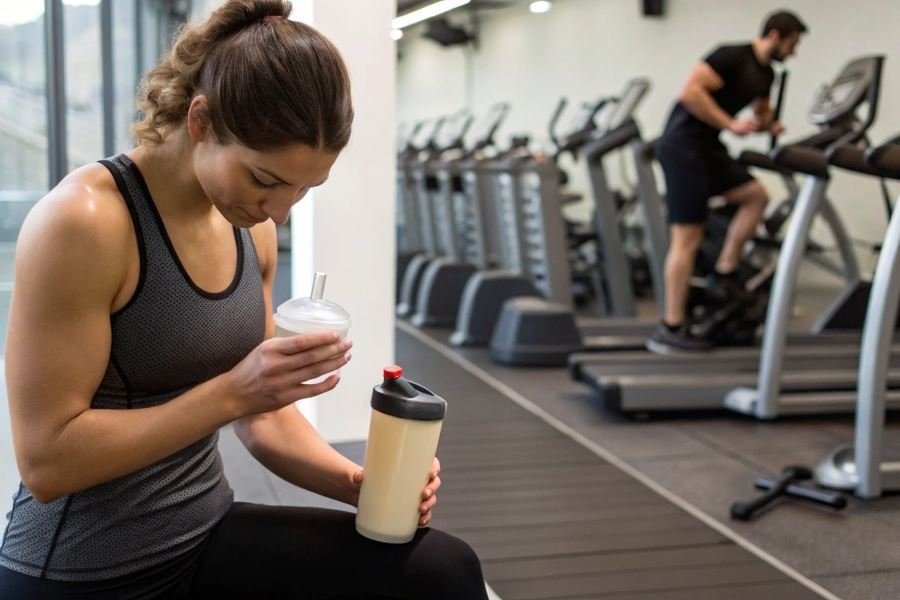
Ever wondered why some athletes bounce back faster after intense training while others struggle for days? The secret lies not in what happens during your workout, but in the critical window that follows. Your post-workout recovery strategy might be the missing piece in your fitness puzzle.
When you push your body through a grueling strength session or an endurance-testing cardio workout, you’re essentially creating controlled damage. Your muscles develop microscopic tears, glycogen stores deplete, and your central nervous system takes a hit. This isn’t just fatigue—it’s your body’s foundation for adaptation and growth.
The science behind post-workout recovery reveals a fascinating biological dance. After strength training, your body prioritizes protein synthesis to rebuild muscle tissue, while after cardio, it focuses on replenishing energy stores and clearing metabolic byproducts. These distinct physiological responses demand equally distinct recovery approaches.
Many fitness enthusiasts make the critical mistake of applying a one-size-fits-all recovery strategy. The truth? Your 30-minute jog requires fundamentally different post-workout care than your heavy deadlift session. Research published in the Journal of Applied Physiology in 2018 demonstrated that mismatched recovery protocols can actually impair performance gains by up to 24%.
“Recovery isn’t passive—it’s an active process that determines whether your hard work translates to results or wasted effort.”
The physiological differences between strength and cardio recovery needs are striking. Strength training creates significant neuromuscular fatigue and microtrauma in specific muscle groups, while cardiovascular training primarily stresses your metabolic systems and places different demands on your heart, lungs, and energy pathways. Understanding these differences is the first step toward optimizing your post-workout strategy for maximum results.
Fueling Your Strength: Post-Workout Recovery Mastery
When you’ve just crushed a heavy strength session, what happens in the next few hours can make or break your gains. The sweat-soaked t-shirt is just the beginning of your journey to stronger, more resilient muscles. Let’s dive into the science-backed strategies that separate the merely strong from the consistently powerful.
The fundamental difference between recovery approaches for various training styles lies in their specific demands on your body. Post-workout complexes for strength and cardio training: what is the difference comes down to the metabolic pathways taxed, muscle fiber types recruited, and the resulting recovery needs. While cardio recovery focuses on glycogen replenishment and cardiovascular system restoration, strength training recovery demands targeted protein synthesis and nervous system recovery.
Nutritional Power Players for Muscle Synthesis
Your post-lift nutrition window isn’t just important—it’s critical. Research consistently shows that consuming 20-40g of high-quality protein within 30 minutes post-workout maximizes the anabolic response. But protein alone isn’t enough.
The recovery trifecta includes:
- Fast-absorbing protein (whey isolate or hydrolysate)
- Strategic carbohydrates (0.5-0.7g per pound of bodyweight)
- Anti-inflammatory compounds (tart cherry, turmeric, omega-3s)
A 2019 study in the Journal of the International Society of Sports Nutrition found that combining protein with carbohydrates increased muscle protein synthesis by 33% compared to protein alone after resistance training.
The quality of your recovery nutrition directly determines the quality of your adaptation.
Recovery Techniques That Actually Work
| Recovery Method | Primary Benefit | Optimal Timing |
|---|---|---|
| Contrast Therapy | Reduces inflammation | Immediately post-workout |
| Foam Rolling | Improves fascial mobility | 2-3 hours post-workout |
| Sleep Optimization | Enhances hormone production | 8-10 hours nightly |
| Active Recovery | Promotes blood flow | 24 hours post-workout |
Beyond nutrition, your body requires mechanical and neurological recovery. Compression garments have shown promising results, with studies indicating they can reduce muscle soreness by up to 30% when worn during the first 24 hours post-training.
For serious lifters, consider incorporating targeted mobility work that addresses the specific joints stressed during your session. A deadlift-heavy day demands different recovery protocols than a session focused on overhead pressing.
Timing Is Everything: The Recovery Clock
Your recovery timeline follows a predictable pattern:
- 0-2 hours post-workout: The anabolic window. Prioritize nutrition and hydration.
- 2-6 hours: Focus on reducing inflammation and beginning tissue repair.
- 6-24 hours: The primary muscle protein synthesis phase.
- 24-48 hours: Continued adaptation and preparation for the next training stimulus.
The most common mistake? Rushing back into training the same muscle groups before complete recovery. Research from the American College of Sports Medicine suggests that most major muscle groups require 48-72 hours for optimal recovery following intense resistance training.
Your muscles don’t grow during the workout—they grow during recovery.
By strategically implementing these evidence-based recovery protocols, you’ll transform your post-workout period from a passive waiting game into an active growth opportunity. Remember: champions aren’t just made during the workout—they’re forged in recovery.
Cardio Recovery Revolution: Maximizing Your Endurance Gains
The difference between good and great cardio performance often lies not in what you do during your workout, but in what happens afterward. Your post-workout recovery strategy can dramatically accelerate your endurance development and performance ceiling. Let’s dive into the science and practical applications of optimizing your cardio recovery.
Bounce back faster from high-intensity cardio
High-intensity cardiovascular training—whether it’s sprint intervals, HIIT sessions, or endurance races—creates specific recovery demands. Your body needs to replenish glycogen stores, repair microtears in muscle tissue, and restore normal cardiovascular function.
The optimal recovery window begins immediately after your session. Within the first 30 minutes, your muscles are most receptive to glycogen replenishment, making this the perfect time for your recovery protocol to begin.
Active recovery has proven superior to complete rest for endurance athletes. A study published in the Journal of Sports Sciences found that light activity at 30-40% of your maximum heart rate accelerates lactate clearance by up to 62% compared to passive recovery. This might look like:
- 10-15 minutes of light jogging after a hard run
- Easy cycling following an intense bike workout
- Gentle swimming after a triathlon training session
Temperature manipulation strategies show promising results too. Contrast therapy—alternating between cold (50-59°F) and warm (104-108°F) water immersion—can reduce perceived muscle soreness by up to 40% and accelerate recovery between cardio sessions.
Fuel your recovery engine
Nutrition after cardio training differs significantly from strength training recovery protocols. Your body prioritizes glycogen replenishment over protein synthesis, though both remain important.
The golden ratio for endurance recovery nutrition is 3:1 or 4:1 carbohydrates to protein.
| Timing | Nutrition Focus | Example |
|---|---|---|
| 0-30 minutes | Fast-absorbing carbs + moderate protein | 16oz sports drink + banana + 15g whey protein |
| 1-2 hours | Complex carbs + complete protein | Sweet potato + grilled chicken + leafy greens |
| 2-24 hours | Hydration + micronutrient replenishment | Electrolyte-enhanced water + antioxidant-rich foods |
Hydration deserves special attention. For every pound lost during exercise, consume 16-24oz of fluid. Electrolyte replacement becomes critical for sessions lasting beyond 60 minutes, with sodium being the primary concern (500-700mg per hour of intense exercise).
Anti-inflammatory foods like tart cherries, turmeric, and fatty fish have shown remarkable benefits for endurance athletes. Tart cherry juice, in particular, has been demonstrated to reduce inflammation markers and accelerate recovery by up to 24% compared to placebo in distance runners.
Building your cardio recovery playbook
Implementing an effective cardio recovery protocol requires personalization and consistency. Here’s a framework to build your own:
- Immediate recovery (0-30 minutes post-workout):
- 10-minute active cooldown at 30-40% intensity
- Hydration with electrolytes
- Quick-digesting carb/protein combination
- Short-term recovery (1-3 hours):
- Complete meal with emphasis on carbohydrate replenishment
- Gentle mobility work or yoga
- Compression garments if beneficial for your recovery
- Long-term recovery (24-48 hours):
- Strategic active recovery sessions
- Sleep optimization (aim for 7-9 hours)
- Stress management techniques
The most effective recovery protocols are the ones you’ll actually follow consistently.
Monitor your resting heart rate and heart rate variability (HRV) using devices like Whoop or Garmin to objectively track recovery status and adjust your training accordingly. These metrics provide invaluable feedback on when you’re truly recovered and ready for another high-intensity session.
Remember that cardio recovery isn’t just about preparing for your next workout—it’s about building a sustainable foundation for long-term endurance performance that will serve you for years to come.