
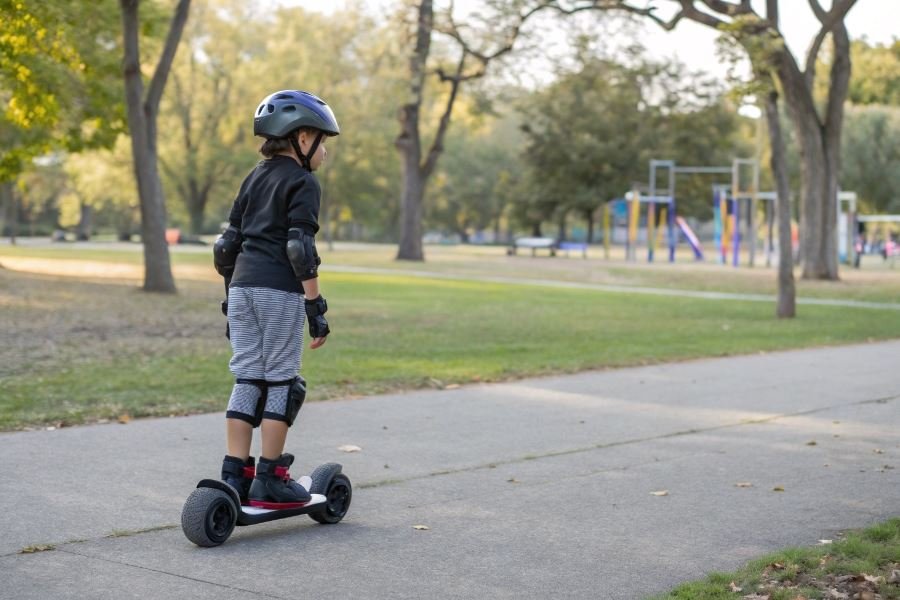
Ever watched someone glide by on a unicycle and thought, “I want to do that”? You’re not alone. Unicycling offers a unique blend of challenge, fitness, and pure fun that’s captivated riders since the late 1800s. Unlike its two-wheeled cousins, the unicycle demands your full attention—and rewards you with skills that will drop jaws at family gatherings.
Finding your perfect first unicycle doesn’t need to be overwhelming. Think of it as choosing a good pair of running shoes—the right fit makes all the difference between frustration and flow. The unicycle world has evolved dramatically, with specialized models for everything from casual riding to extreme mountain trails.
Understanding unicycle basics
At its core, a unicycle is beautifully simple: one wheel, pedals, a seat (called a “saddle”), and a frame connecting them. But within this simplicity lies important variations:
- Wheel size: Beginners typically start with 20″ or 24″ wheels—smaller for better control, larger for smoother rides
- Saddle comfort: Where you’ll feel most of your learning pains (literally)
- Tire width: Affects stability and terrain capability
Key considerations for your first purchase
Your ideal starter unicycle depends on your height, intended use, and budget. A quality beginner unicycle typically ranges from 80−150—investing in better components now often saves money later. Consider where you’ll ride most: smooth pavement requires different features than off-road adventures.
The learning reality check
Let’s be honest: mastering a unicycle takes persistence. Most riders need 10-15 hours of practice before riding independently. The good news? This learning curve hasn’t changed since unicycles first appeared—your brain needs time to develop entirely new balance skills. Set small goals, celebrate tiny victories, and remember that every expert unicyclist started exactly where you are now.
Essential Factors for Your First Unicycle
Choosing your first unicycle isn’t just about finding something with one wheel and hoping for the best. It’s about matching the right equipment to your body, riding style, and ambitions on a single wheel. Let me break down what truly matters when you’re ready to join the unicycling community.
Wheel Size: Your Foundation for Success
The wheel diameter is arguably the most critical decision when learning how to choose a unicycle for beginners. Think of it as the foundation of your entire riding experience:
- 16-20 inch: Perfect for children or shorter adults under 5’4″. These smaller wheels offer excellent maneuverability and lower center of gravity—ideal for learning basic balance.
- 24 inch: The sweet spot for most beginners 5’4″ to 5’10″. Versatile enough for both urban riding and light trail use.
- 26-29 inch: Better for taller riders over 5’10″ or those specifically interested in distance riding or mountain unicycling (MUni).
- 36 inch: The marathon runners of unicycles—fast and efficient for covering distance, but challenging for beginners.
Remember: smaller wheels are easier to control but slower; larger wheels offer speed but require more skill to master.
Saddle Comfort: Where You Meet Your Unicycle
The saddle isn’t just a seat—it’s your primary control interface with the unicycle.
Key saddle features to consider:
- Padding density: Firmer isn’t always worse; too soft can cause pressure points during longer rides
- Shape: Banana-shaped saddles from Nimbus provide excellent thigh clearance
- Handle options: Grab handles help with mounting and learning tricks
- Post adjustment: Look for microadjustable seatposts that allow precise height tuning
| Saddle Type | Best For | Notable Features |
|---|---|---|
| Standard | Beginners | Wide platform, moderate padding |
| Performance | Distance/Speed | Narrower profile, firm padding |
| MUni | Off-road | Reinforced bumpers, durable cover |
Tire Selection: Your Contact With the World
Tires dramatically affect stability, grip, and the overall feel of your unicycle:
Tire width matters:
- 1.75-2.25″: Narrower tires reduce rolling resistance—great for smooth surfaces and speed
- 2.5-3.0″: Medium width offers versatility for mixed terrain
- 3.0-4.0″: Wide tires provide stability and shock absorption for off-road riding
Tread patterns:
- Smooth for pavement and indoor riding
- Moderate tread for mixed surfaces
- Aggressive knobs for dirt, mud, and technical trails
The Schwalbe Big Apple tires have become a favorite among beginners for their balance of comfort and performance on urban surfaces.
Frame Construction: Building on Quality
Your unicycle frame needs to withstand significant stress while remaining lightweight:
Material considerations:
- Chromoly steel: The gold standard—strong, relatively light, and absorbs vibration
- Aluminum: Lighter but transmits more shock to the rider
- Reinforcement points: Look for gussets at high-stress areas like the crown and fork
Quality indicators:
- Precision welding with clean, consistent beads
- Integrated bearing holders rather than bolt-on designs
- Corrosion-resistant finishes
Brands like Kris Holm and UDC have established reputations for building frames that can take years of abuse while maintaining structural integrity.
Remember that investing in quality components now will save you money and frustration as your skills progress. Your first unicycle should be one you can grow with, not one you’ll outgrow in weeks.
Sealing the Deal: Your Final Unicycle Decision
Smart budget balancing for quality rides
Finding that sweet spot between price and performance is the unicyclist’s first balancing act. Entry-level unicycles typically range from $80-150, while mid-range options hover between $150-300. The premium territory starts around $300 and can climb well beyond $500 for specialized models.
What separates these price points? Construction quality makes all the difference. Budget models often feature steel frames and basic bearings, while mid-range options upgrade to chromoly frames and sealed bearings. Premium unicycles boast aircraft-grade aluminum, precision machined hubs, and specialized features for specific riding disciplines.
Don’t sacrifice safety for savings. A quality saddle, reliable bearings, and proper crank length are non-negotiable features even at lower price points. Remember that a $30 upgrade now might save you from a $200 replacement later when cheaper components fail.
The most expensive unicycle isn’t always the best for beginners, but the cheapest rarely is. Invest in quality where it matters most: wheel hub, bearings, and frame construction.
Where unicycle dreams become reality
When it comes to purchasing your first one-wheeler, you have several options, each with distinct advantages:
Specialty unicycle retailers like Unicycle.com and UDC offer the widest selection, expert advice, and proper assembly. Their staff typically ride themselves and can provide invaluable guidance.
Local bike shops sometimes carry unicycles or can order them. The advantage here is hands-on inspection before purchase and building a relationship with local experts who can help with maintenance.
Online marketplaces like Amazon may offer competitive pricing, but beware of quality control issues and assembly requirements. If going this route, budget for professional assembly or learn proper assembly techniques.
Safety gear essentials for new riders
Your unicycle purchase isn’t complete without proper protection. Here’s what should accompany your new wheel:
| Safety Item | Importance | Approximate Cost |
|---|---|---|
| Helmet | Essential | $40-100 |
| Wrist guards | Highly recommended | $15-30 |
| Knee pads | Highly recommended | $20-40 |
| Shin guards | Recommended | $15-35 |
| Padded shorts | Optional but helpful | $30-60 |
Helmets are non-negotiable. Even at slow speeds, falls from a unicycle often happen backward or to the side, putting your head at risk. Look for models from Triple Eight or Bell that provide good coverage.
Wrist injuries are among the most common for beginners, as instinct drives us to catch ourselves with outstretched hands. Quality wrist guards prevent hyperextension while still allowing the dexterity needed for balance adjustments.
Consider your learning environment when selecting gear. Practicing on grass requires less protection than asphalt or concrete. However, as your skills improve and speeds increase, protection becomes even more important, not less.
Remember that safety gear is an investment in your learning curve. With proper protection, you’ll gain confidence faster and progress more quickly because you’ll be willing to push your limits without fear of injury. The right unicycle paired with appropriate safety gear isn’t just a purchase—it’s your ticket to joining a passionate community of one-wheeled enthusiasts.