
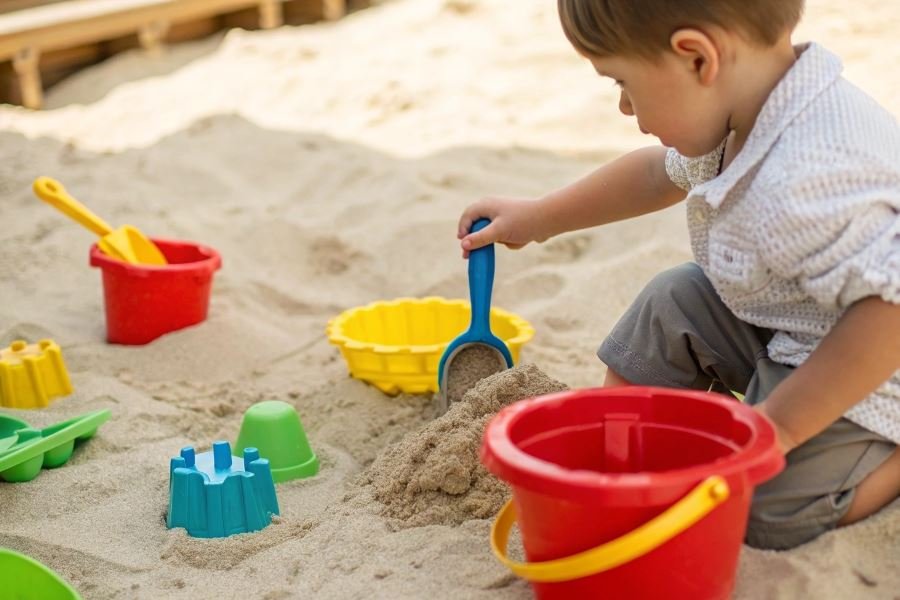
Ever watched a child’s face light up at the beach as they build sandcastles? That same joy can happen right in your backyard—even if your outdoor space barely fits a grill! Compact sandboxes have revolutionized outdoor play options for homes with limited square footage, bringing beach-like adventures to urban patios, small suburban yards, and apartment balconies.
These space-efficient play zones pack tremendous developmental benefits into surprisingly small footprints. Quality compact sandboxes stimulate creativity, sensory development, and fine motor skills while fitting neatly into corners that might otherwise go unused. The best part? Many modern designs incorporate covers, seating, and even storage—transforming what could be single-purpose eyesores into multi-functional outdoor assets.
Smart design features that maximize limited space
When selecting a small-footprint sandbox, consider models with built-in seating that eliminates the need for separate chairs. Look for weather-resistant materials like cedar or composite plastics that withstand seasonal changes without warping or fading. The most innovative designs feature:
- Convertible lids that double as play surfaces or seating when closed
- Drainage systems preventing water accumulation after rain
- Stackable or foldable components for off-season storage
Space-efficient designs worth considering
Today’s market offers hexagonal sandboxes that nestle into awkward corners, wall-hugging half-circle designs, and even elevated table-style options that eliminate the need to sacrifice ground space. For truly tight quarters, consider portable sandbox trays that can be brought out for play sessions and stored vertically when not in use.
Top 3 Compact Sandboxes That Maximize Small Spaces
When outdoor space comes at a premium, finding the right sandbox doesn’t mean compromising on fun. Compact sandboxes for a small area have evolved dramatically, offering innovative solutions that fit balconies, tiny yards, and even indoor spaces. Today’s space-saving designs pack impressive features into footprints smaller than a coffee table, proving that sandbox play doesn’t require sprawling real estate.
Foldable Solutions That Disappear When Needed
The revolution in collapsible sandbox design has created options that would impress even the most dedicated space optimizer. The Step2 Splash & Scoop Bay leads this category with its 26″ × 36″ footprint that folds to just 4″ thick for storage. When playtime ends, it transforms from playground to practically invisible.
The Little Tikes Turtle Sandbox offers a similar space-saving advantage with its hinged shell design that closes to protect sand from neighborhood cats and weather while reducing its footprint by 60%.
For apartment dwellers, the Simplay3 Carry & Go weighs just 8 pounds empty and collapses to fit in most closets—perfect for bringing sandbox play to urban environments without permanent installation.
Key advantage: These models eliminate the “sandbox tax” on your yard when not in use, reclaiming precious square footage.
Multi-functional Marvels That Earn Their Keep
| Sandbox | Additional Features | Footprint |
|---|---|---|
| Kidcraft Pirate Ship | Storage bench, water play area | 39″ × 43″ |
| Step2 Cascading Cove | Seating, cover converts to water table | 38″ × 38″ |
| Little Tikes 2-in-1 | Converts to kiddie pool | 30″ diameter |
Multi-functional compact sandboxes justify their existence by serving double or triple duty. The Kidcraft Pirate Ship transforms from sandbox to imaginative play structure with minimal space requirements. Its built-in storage bench houses toys and tools while providing seating for small adventurers.
The Step2 Cascading Cove brilliantly incorporates molded seating around its perimeter, eliminating the need for separate outdoor children’s furniture. Its cover converts to a water play surface, delivering two distinct play experiences in one 38″ square footprint.
Perhaps most impressive is how these designs maintain structural integrity despite their compact dimensions, with reinforced corners and UV-resistant materials that withstand years of enthusiastic digging.
Vertical Thinking For Maximum Play Value
When horizontal space disappears, the only direction is up! Tiered sandbox designs represent the cutting edge of small-space solutions.
The Little Tikes Sand & Water Tower stacks play zones vertically, creating distinct levels for sand and water play while occupying just 26″ × 26″ of floor space. Its 36″ height brings play to a comfortable level for both toddlers and parents.
For truly minimal spaces, the B. Toys Coastal Cruiser offers a tabletop sandbox experience that can perch on balcony railings or patio tables. At just 24″ × 18″, it delivers authentic sandbox play without dedicating permanent floor space.
The Step2 Naturally Playful takes vertical integration further with its sand and water table design that includes underneath storage for toys and tools, effectively eliminating the sandbox sprawl that typically accompanies play.
Space-saving innovation: These vertical designs deliver up to 40% more play surface than traditional sandboxes of the same footprint by utilizing height rather than width.
Mastering Sandbox Setup in Tight Spaces
Strategic placement for maximum enjoyment
Finding the perfect spot for your compact sandbox in a limited area requires strategic thinking. The ideal location balances sun exposure with natural shade—aim for morning sun with afternoon protection to prevent overheating during peak play hours. Position your sandbox at least 10 feet from doors to minimize sand tracking indoors, a game-changer for keeping your home clean.
Corner installations maximize your available space by using existing boundaries. Many modern compact sandboxes are designed with corner-friendly shapes that nestle perfectly against fences or walls. For patios and decks, consider elevated sandbox models that keep the play area contained while utilizing otherwise unused vertical space.
Pro tip: Place your sandbox on a level surface with proper drainage. A slight tilt can lead to water pooling after rain, creating a soggy play environment that nobody wants to deal with!
Sand management that makes life easier
The secret to a successful compact sandbox experience lies in choosing the right sand and maintaining it properly. Play sand specifically designed for sandboxes offers significant advantages over construction sand—it’s washed, screened for debris, and often treated to resist moisture and bacterial growth.
| Sand Type | Benefits | Maintenance Level | Cost Range |
|---|---|---|---|
| Play Sand | Dust-free, clean, soft texture | Medium | $5-8 per 50lb bag |
| Kinetic Sand | Stays together, less mess | Low | $15-25 per 5lb box |
| Natural Sand | Inexpensive, authentic feel | High | $3-5 per 50lb bag |
Maintaining appropriate sand depth is crucial—aim for 8-12 inches for safe play. In compact sandboxes, this typically requires 4-6 bags of standard play sand, depending on your sandbox dimensions.
To keep sand clean between full replacements, implement a simple maintenance routine:
- Rake the sand weekly to aerate and check for foreign objects
- Use a handheld sifter for quick spot cleaning
- Spray with a mild vinegar solution monthly to naturally disinfect
The most overlooked aspect of sand management? A good cover. It’s not just an accessory—it’s essential protection against neighborhood cats, debris, and moisture.
Seasonal care for year-round enjoyment
Compact sandboxes require different attention as seasons change. During summer months, occasional misting with water prevents dust and keeps the play environment comfortable. After rainstorms, remove any standing water and turn the sand to help it dry evenly.
When fall arrives, increased leaf debris requires more frequent cleaning. A small handheld leaf blower can quickly clear leaves without disturbing the sand beneath—a time-saving hack that playground managers swear by.
For winter protection in colder climates, consider these options:
For permanent installations: Apply a weatherproof cover secured with bungee cords or weighted edges to prevent moisture infiltration and freeze-thaw damage.
For portable models: Many compact sandboxes can be emptied, cleaned, and stored in a garage or shed. Before storage, thoroughly dry all components to prevent mold growth.
When spring returns, refresh your sandbox with these quick steps:
- Remove the top 1-2 inches of sand
- Spray the base with a mild bleach solution (1:10 ratio)
- Allow to dry completely
- Add fresh sand to restore proper depth
With proper placement, consistent maintenance, and seasonal care, your compact sandbox will provide years of enjoyment even in the most limited outdoor spaces.