
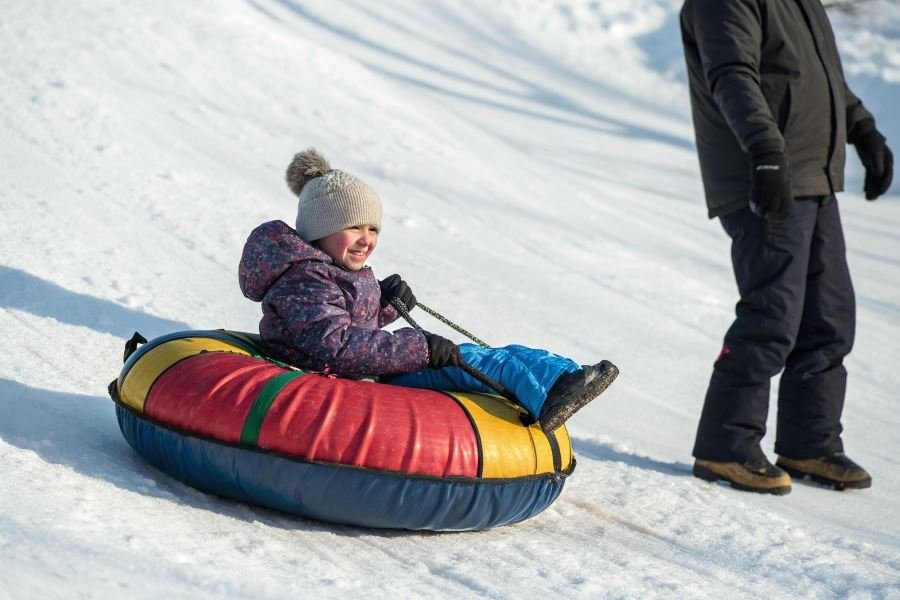
Ever watched your child’s face light up as they zoom across water on an inflatable tube? That pure joy—mixed with just enough adrenaline—creates memories that last a lifetime. But behind every great tubing adventure lies an essential foundation: safety that grows with your child.
Tubing combines the thrill of speed with the refreshing splash of water, making it irresistibly appealing to children of all ages. However, this popular water activity comes with inherent risks that vary dramatically depending on your child’s age, size, and swimming proficiency. From potential collisions to unexpected falls, understanding these risks is the first step toward prevention.
The age factor in tubing safety
What’s appropriate for a teenager won’t work for your six-year-old. Younger children (ages 5-8) need slower speeds, gentler turns, and constant adult supervision. Tweens (9-12) can handle moderate speeds but still benefit from having a spotter. Teenagers can manage more adventurous rides but should never tube alone.
Safety tip: The “rule of 10” works well—your child’s age roughly corresponds to the maximum speed in mph they should experience while tubing.
Essential gear for every tubing adventure
No matter your child’s age, certain safety equipment remains non-negotiable:
- Life jackets – Not just any flotation device, but properly fitted, Coast Guard-approved life vests
- Visibility flags – Bright colors that make your tuber visible to other watercraft
- Hand signals – Establish clear communication between the boat driver, spotter, and tuber
- Impact-resistant helmets – Particularly important for younger riders or more adventurous tubing
Remember that proper equipment isn’t just about preventing accidents—it’s about giving your family the confidence to fully enjoy one of water sports’ most exhilarating activities.
Age-Specific Tubing Safety Guidelines
Toddlers and Preschoolers: First-Time Tubers
When it comes to water recreation, few activities bring as much joy as tubing. For the littlest adventurers aged 2-5, safety must be the absolute priority. These pint-sized thrill-seekers require specialized equipment and constant supervision.
The foundation of safe tubing for children of different ages begins with appropriate gear selection. For toddlers and preschoolers, opt for specially designed tubes with:
- Enclosed bottoms that prevent slipping through
- Higher sidewalls (minimum 10 inches)
- Multiple handles positioned for small grips
- Parent-connection tethers for controlled guidance
Never exceed speeds of 5 mph with this age group. What feels like a gentle cruise to you registers as an exhilarating adventure for them! Sportsstuff offers excellent toddler-specific tubes with reinforced bottoms and dual chambers for enhanced safety.
The best tubing experiences for young children happen in calm, shallow water with zero boat traffic and at least one dedicated adult spotter per child.
Water temperature matters significantly for this age group—keep sessions under 20 minutes when water is below 75°F to prevent hypothermia, which can develop surprisingly quickly in small bodies.
Elementary Ages: Building Confidence
Children ages 6-12 represent the sweet spot for tubing enjoyment, combining growing physical capabilities with an appropriate sense of caution. This age group can handle:
- Speeds of 10-15 mph (gradually increasing with experience)
- Tubes designed for mild wake jumping
- Longer sessions (30-45 minutes with breaks)
- Two children per tube (if weight-appropriate and using WOW World of Watersports side-by-side models)
Essential safety gear includes:
- Coast Guard-approved life jackets (no exceptions!)
- Bright-colored rash guards for visibility
- Water shoes to protect feet during entry/exit
- Waterproof sunscreen (minimum SPF 50)
Hand signals become crucial at this age—establish clear communication systems between tubers, spotters, and boat operators. The universal “thumbs down” for slowing down and “slashing across throat” for immediate stop should be practiced before hitting the water.
Teenage Tubers: Responsible Thrills
Teenagers (13-17) can enjoy more dynamic tubing experiences, but with heightened responsibility. Their developing judgment combined with physical strength creates unique safety considerations:
| Age | Max Speed | Tube Type | Wake Jumping | Rider Configuration |
|---|---|---|---|---|
| 13-14 | 20 mph | Multi-rider, stable | Moderate | Max 3 riders |
| 15-17 | 25 mph | Performance tubes | Advanced | Solo or pairs |
Teens should participate in pre-tubing safety briefings and understand the physics of tubing—particularly how centrifugal force affects rider stability in turns. O’Brien manufactures excellent performance tubes with reinforced tow points and stabilizing fins that reduce unpredictable movements.
For this age group, peer pressure management becomes as important as equipment selection. Establish clear rules about:
- No competitive “holding on” challenges
- Respecting individual comfort levels
- Immediate reporting of any equipment issues
- Zero tolerance for pushing others off tubes
The teenage years offer the perfect opportunity to teach responsible water recreation habits that will last a lifetime. By balancing thrilling experiences with consistent safety protocols, teens develop judgment that serves them well into adulthood.
Mastering Safe Tubing for Every Age
Water tubing delivers that perfect blend of thrill and accessibility that makes it a family favorite on lakes across America. But like any water sport, safety isn’t just a suggestion—it’s the foundation that makes those unforgettable moments possible. Let’s dive into how to create safe tubing experiences that grow with your children.
Universal safety principles that never fail
Safety on the water follows certain immutable laws, regardless of whether you’re towing a cautious 6-year-old or an adventure-seeking teenager. The cornerstone of tubing safety begins with properly fitted U.S. Coast Guard-approved life jackets for every rider—no exceptions.
Studies from the American Boating Association show that nearly 80% of water recreation fatalities could have been prevented with proper flotation devices. Beyond life jackets, maintaining clear communication between tubers and the boat operator using established hand signals creates a critical safety system.
Equipment inspection isn’t optional. Before every outing:
- Check tubes for proper inflation
- Inspect tow ropes for fraying or damage
- Verify secure attachment points
- Ensure handles are firmly attached and functional
The difference between a properly maintained tube and one that’s “probably fine” can be the difference between an Instagram-worthy day and an emergency room visit.
Parental supervision requirements by age
The level of supervision required shifts dramatically as children develop:
| Age Group | Supervision Level | Key Requirements |
|---|---|---|
| 4-7 years | Direct, constant | Adult in water or on tube, slow speeds (<10 mph), short rides (5-10 min) |
| 8-12 years | Visual, immediate | Adult on boat watching, moderate speeds (10-15 mph), spotter required |
| 13-17 years | Monitored | Adult present, appropriate speed for skill level, trained spotter |
For the youngest tubers (4-7), parents should consider specialized tubes designed specifically for children, like the Airhead Bimini Lounger or similar products with enhanced stability features.
Reading water and weather like a pro
The perfect tubing day requires more than just sunshine. Water conditions dramatically impact safety margins, especially for younger riders.
Wind conditions create ripple effects that transform the tubing experience. Wind speeds under 10 mph generally create manageable conditions for all ages, while 10-15 mph winds introduce chop that may be too challenging for riders under 10.
Water temperature deserves serious consideration—hypothermia can affect children faster than adults. The American Pediatric Association recommends water temperatures above 70°F for extended water activities with children.
Weather warning signs that demand immediate shore return:
- Darkening clouds on the horizon
- Sudden temperature drops
- Increasing wind gusts
- Distant thunder (even if skies appear clear overhead)
Remember that conditions can change rapidly on open water. The National Weather Service’s marine forecasts provide crucial information that should be checked before heading out and monitored throughout the day.
By adapting safety protocols to each child’s developmental stage, maintaining vigilant supervision scaled to age, and developing weather awareness, families can build tubing traditions that grow alongside their children—creating those core memories that last a lifetime while keeping safety the non-negotiable priority it should be.